
Understanding Metal Coating Plant Automation: A Comprehensive Guide


In the ever-evolving world of manufacturing, metal coating plant automation has become a cornerstone of modern industrial processes. By integrating advanced technologies, these plants can achieve higher efficiency, consistent quality, and significant cost savings. Understanding how automation works in this context is crucial for any business looking to optimize its operations.
The Basics of Metal Coating
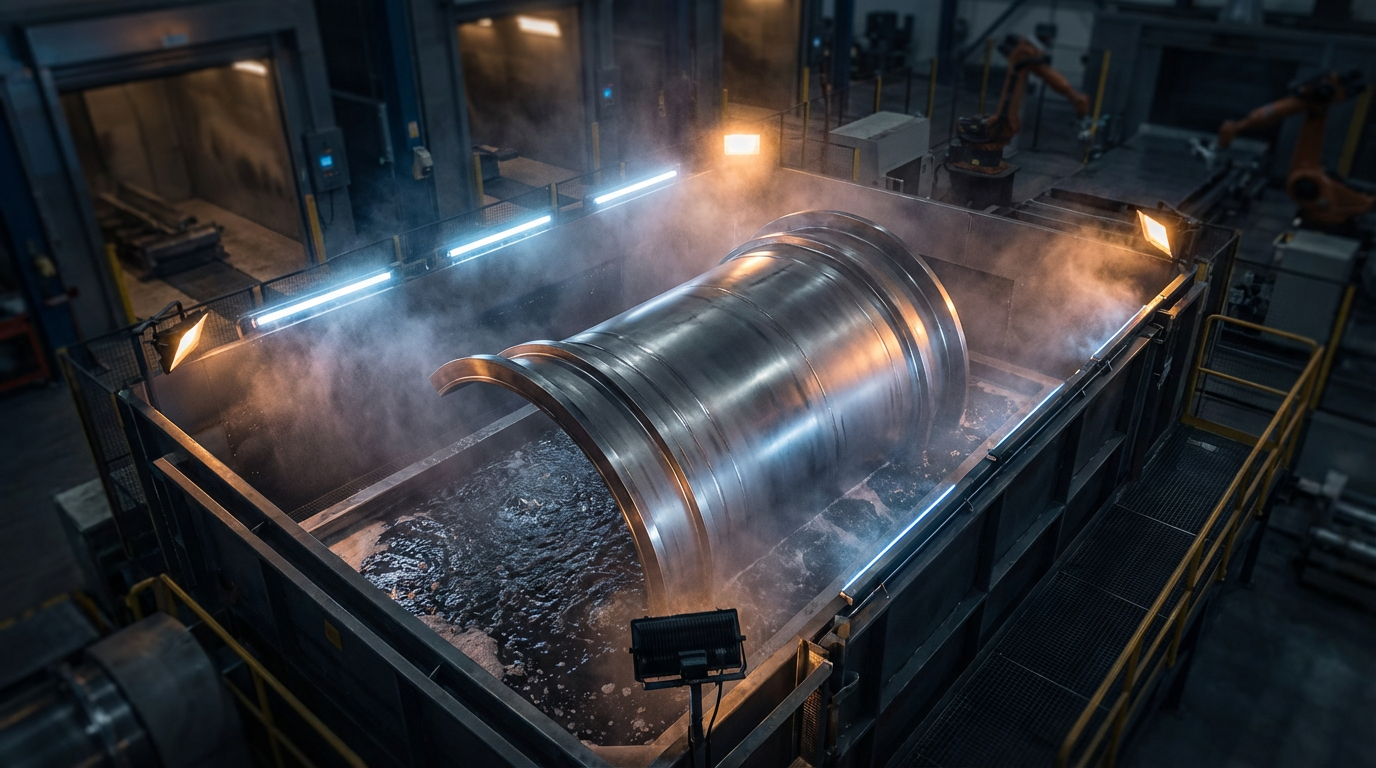
Metal coating involves applying a protective layer to the surface of metal products. This process is essential for enhancing durability, resistance to corrosion, and aesthetic appeal. Traditional metal coating methods often require intensive labor and are prone to human error, making automation a valuable upgrade.
Types of Metal Coating Processes
Several coating processes exist, each with unique benefits:
- Powder Coating: A dry finishing process that uses powdered paint.
- Electroplating: Uses electrical currents to deposit metal ions onto the substrate.
- Galvanizing: Involves applying a protective zinc coating to steel or iron.
The Role of Automation in Metal Coating
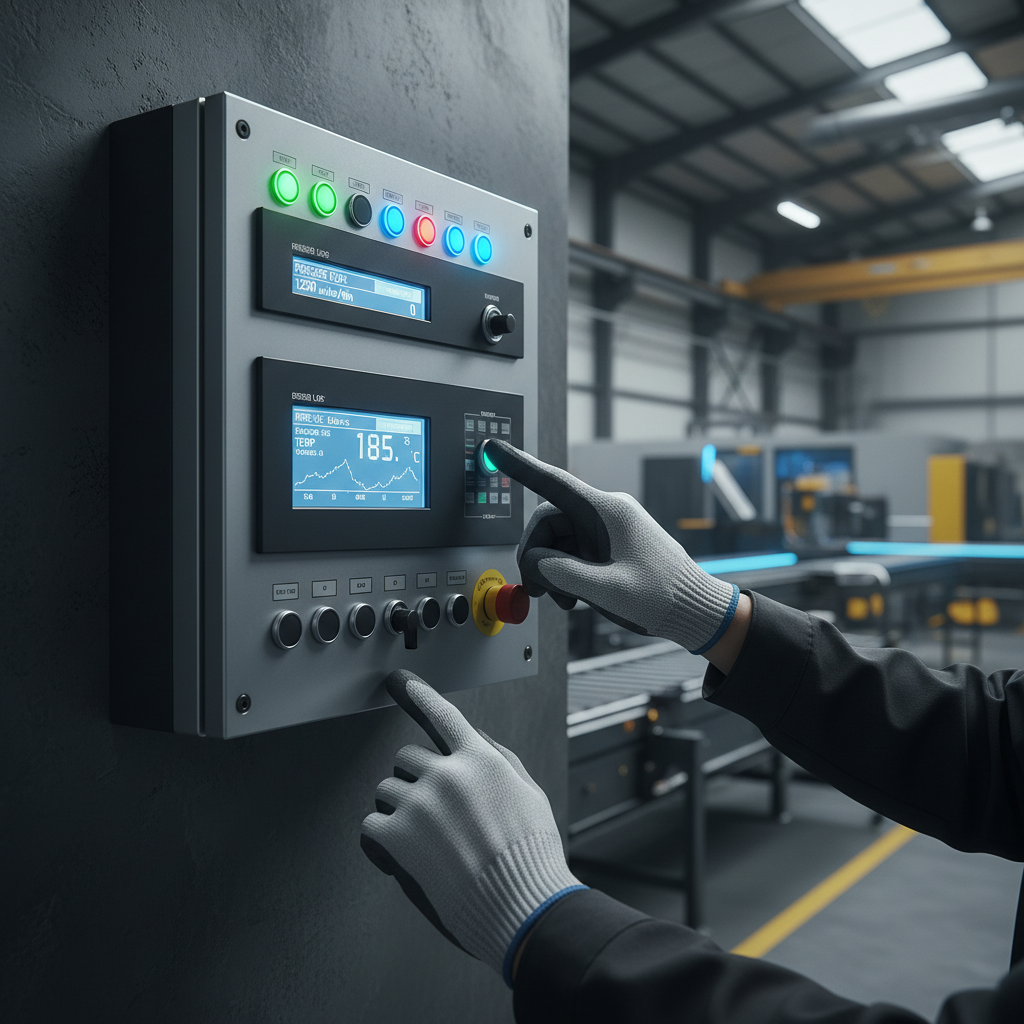
Automation in metal coating plants involves the use of robotics, sensors, and control systems to streamline the coating process. This shift not only improves efficiency but also enhances precision. Automated systems can handle complex tasks with minimal human intervention, ensuring a consistent and high-quality finish.
Benefits of Automation
Implementing automation in metal coating plants offers numerous advantages:
- Increased Productivity: Automated systems work around the clock with minimal downtime.
- Improved Quality Control: Sensors and monitoring systems ensure uniform application.
- Cost Efficiency: Reduced labor costs and waste lead to significant savings.
Challenges in Automation
Despite its benefits, automation in metal coating plants is not without challenges. The initial setup and integration can be costly, and businesses must ensure their workforce is trained to operate and maintain these advanced systems. Additionally, staying updated with technological advancements is crucial for ongoing success.
Overcoming Implementation Hurdles
To successfully implement automation, companies should focus on:
- Investing in Employee Training: Ensures smooth transition and operation.
- Regular Maintenance: Keeps systems running efficiently and reduces downtime.
- Scalability: Choose solutions that can grow with your business needs.
Future Trends in Metal Coating Automation
As technology advances, metal coating plants will continue to become more sophisticated. The incorporation of artificial intelligence and machine learning could further enhance predictive maintenance and process optimization. Embracing these trends will be key for companies looking to maintain a competitive edge.
In conclusion, understanding and implementing metal coating plant automation is a strategic move for businesses aiming to improve efficiency and quality. By addressing challenges and staying informed about emerging technologies, companies can secure their place in the future of manufacturing.