
Understanding Kataforez Kaplama: An Expert Guide to Cathodic Electrodeposition


What is Cathodic Electrodeposition?
Cathodic electrodeposition, often referred to as kataforez kaplama, is a specialized process used in the application of coatings to metal surfaces. This method utilizes electrical current to deposit paint or other coatings evenly across a surface, ensuring durability and protection against corrosion.
The process is highly efficient and environmentally friendly, making it a popular choice in industries such as automotive, aerospace, and general manufacturing. By leveraging the principles of electrochemistry, cathodic electrodeposition achieves a uniform coating thickness even on complex geometries.
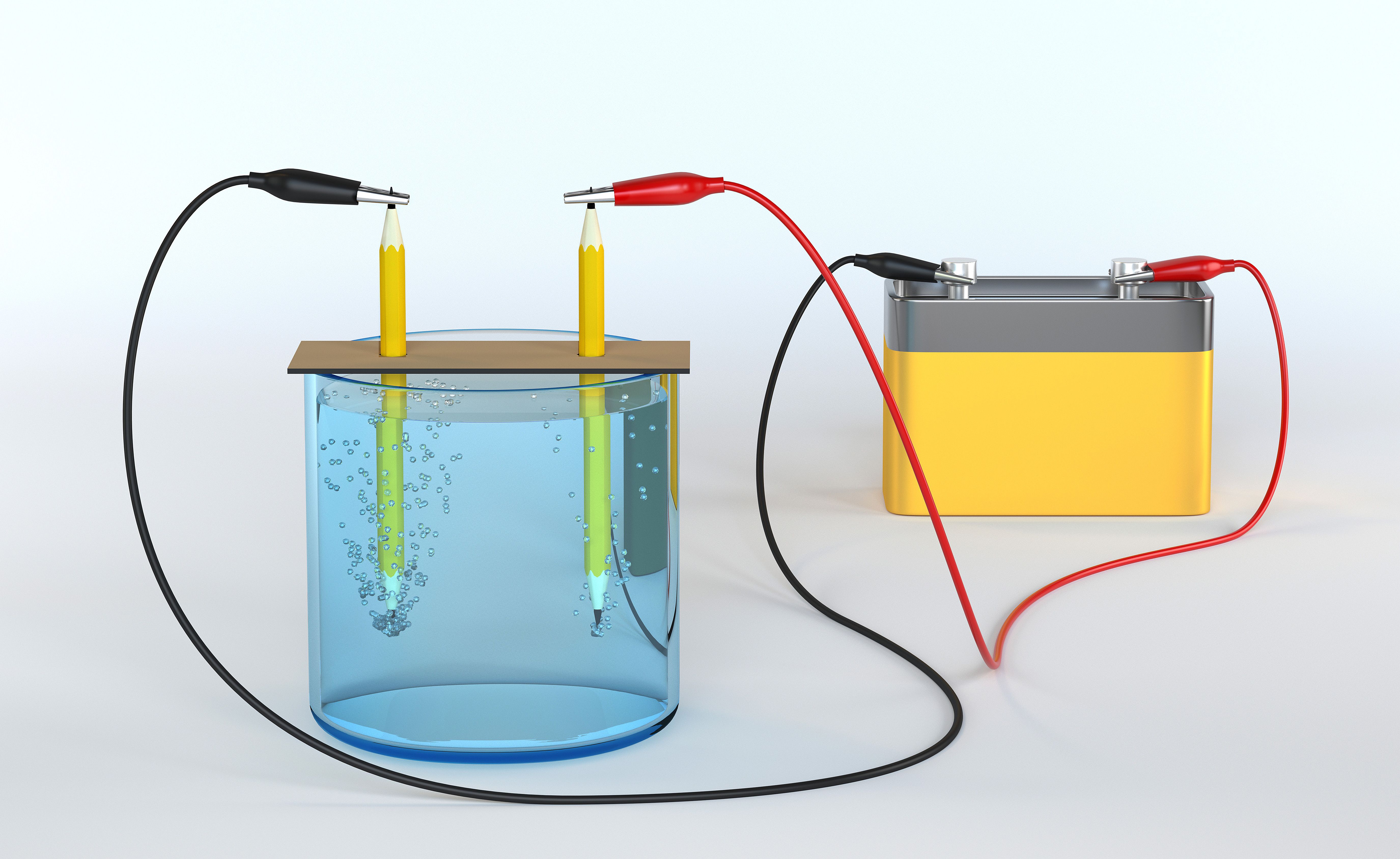
The Process of Cathodic Electrodeposition
The cathodic electrodeposition process involves several key steps:
- Surface Preparation: The surface must be thoroughly cleaned to remove any dirt, oil, or rust.
- Electrodeposition Bath: The metal part is immersed in a water-based solution containing the coating material.
- Application of Electrical Current: An electrical current is applied, causing the coating particles to deposit onto the metal surface.
This process ensures a consistent and high-quality finish, providing superior protection and aesthetics.
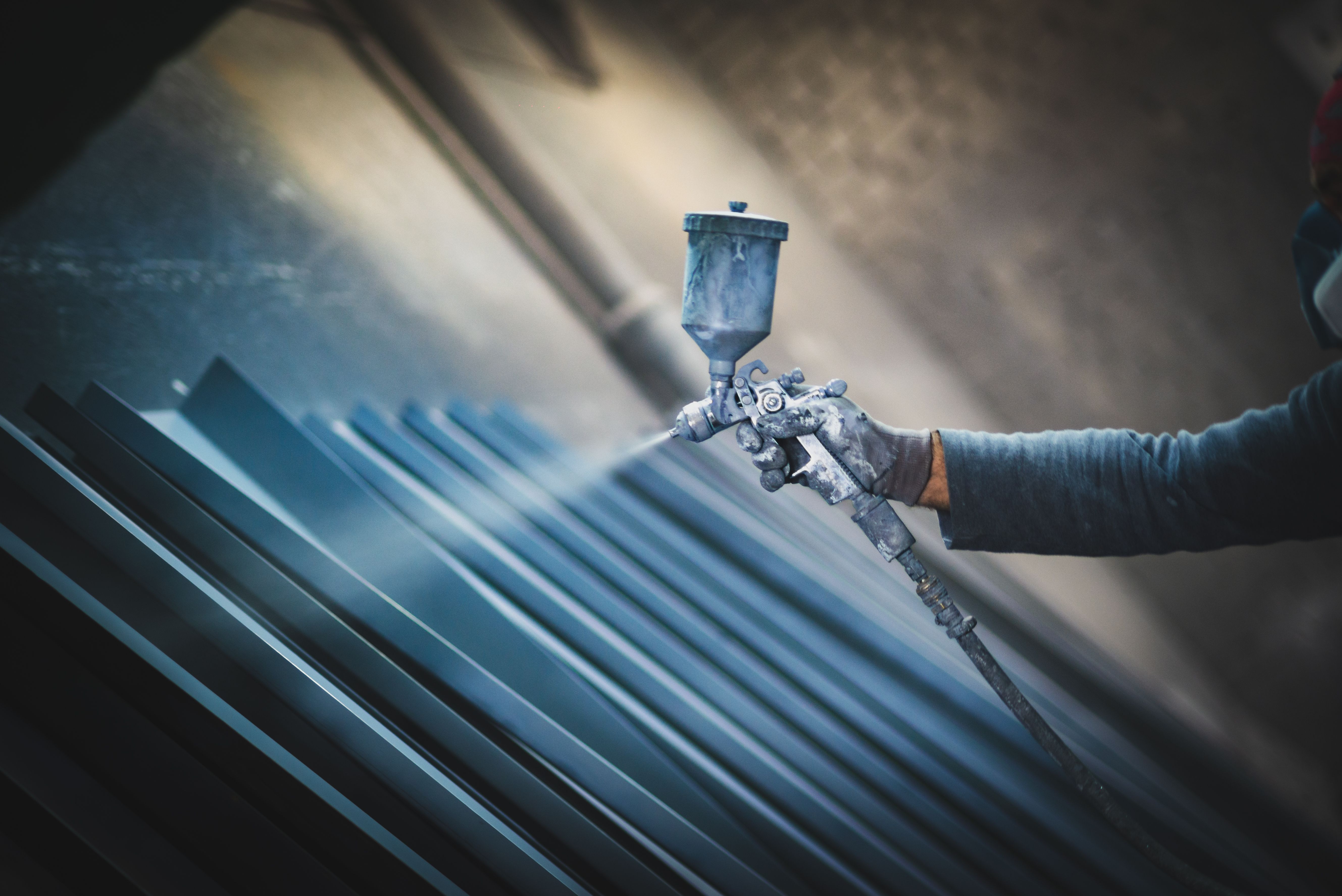
Advantages of Cathodic Electrodeposition
There are several advantages to using cathodic electrodeposition for coating applications:
- Uniform Coverage: Even coverage on complex shapes and hard-to-reach areas.
- Environmental Benefits: Low volatile organic compound (VOC) emissions make it environmentally friendly.
- Cost-Effective: Efficient use of materials and energy, reducing overall costs.
These benefits make cathodic electrodeposition a preferred method for industries seeking high performance and sustainability.
Applications of Cathodic Electrodeposition
This technique is widely used across various sectors due to its versatility and effectiveness:
- Automotive Industry: Used for body panels, chassis components, and other parts requiring corrosion resistance.
- Aerospace Industry: Protective coatings for aircraft components.
- Consumer Goods: Coating of appliances, furniture, and other products.
The adaptability of cathodic electrodeposition allows it to be customized for specific needs, making it a versatile choice for many applications.

Understanding the Future of Cathodic Electrodeposition
As technology advances, cathodic electrodeposition continues to evolve, with innovations focusing on enhancing efficiency and reducing environmental impact. Research and development efforts are aimed at improving coating formulations and application techniques to meet the growing demands of industries worldwide.
Future trends in this field are likely to include the development of more eco-friendly materials and processes, making cathodic electrodeposition an even more attractive option for sustainable manufacturing practices.