
Understanding 3D SCADA: Revolutionizing Automation Systems in Surface Treatment


Introduction to 3D SCADA
The world of automation has seen significant advancements over the years, and one of the most transformative technologies is 3D Supervisory Control and Data Acquisition (SCADA). In surface treatment industries, where precision and efficiency are paramount, 3D SCADA is revolutionizing how systems are monitored and controlled. This cutting-edge technology provides a visual, interactive interface that enhances the management of complex processes.

What is 3D SCADA?
3D SCADA is an advanced form of the traditional SCADA system, incorporating three-dimensional graphics to offer a more immersive and intuitive user experience. Unlike conventional 2D interfaces, 3D SCADA provides a comprehensive view of machinery and processes, making it easier for operators to understand and manage intricate systems.
With the ability to rotate, zoom, and interact with digital twins of physical assets, 3D SCADA enables a more engaging and effective approach to automation. This technology is particularly beneficial in surface treatment processes, where detailed monitoring and precise control are critical.
Benefits of 3D SCADA in Surface Treatment
The implementation of 3D SCADA in surface treatment comes with numerous advantages. Here are some key benefits:
- Enhanced Visualization: Operators can view processes in a 3D environment, providing a clearer understanding of complex systems.
- Improved Decision-Making: Real-time data and interactive interfaces aid in quicker and more informed decision-making.
- Increased Efficiency: By visualizing processes, operators can identify bottlenecks and optimize workflows.
- Reduced Downtime: Predictive maintenance features help in identifying potential issues before they cause disruptions.

Key Features of 3D SCADA Systems
3D SCADA systems are equipped with a variety of features that enhance their functionality:
- Real-Time Monitoring: Constant data updates for immediate insights.
- Interactive Interfaces: Intuitive controls for seamless navigation and operation.
- Automation and Alerts: Automated responses and alerts for abnormal conditions.
- Data Analytics: Tools for analyzing trends and performance metrics.
Challenges and Considerations
While 3D SCADA offers numerous benefits, there are challenges to consider. The initial setup can be complex, requiring significant investment in both time and resources. Additionally, training staff to effectively utilize the new system is crucial for maximizing its potential. However, the long-term gains in efficiency and productivity often outweigh these initial hurdles.
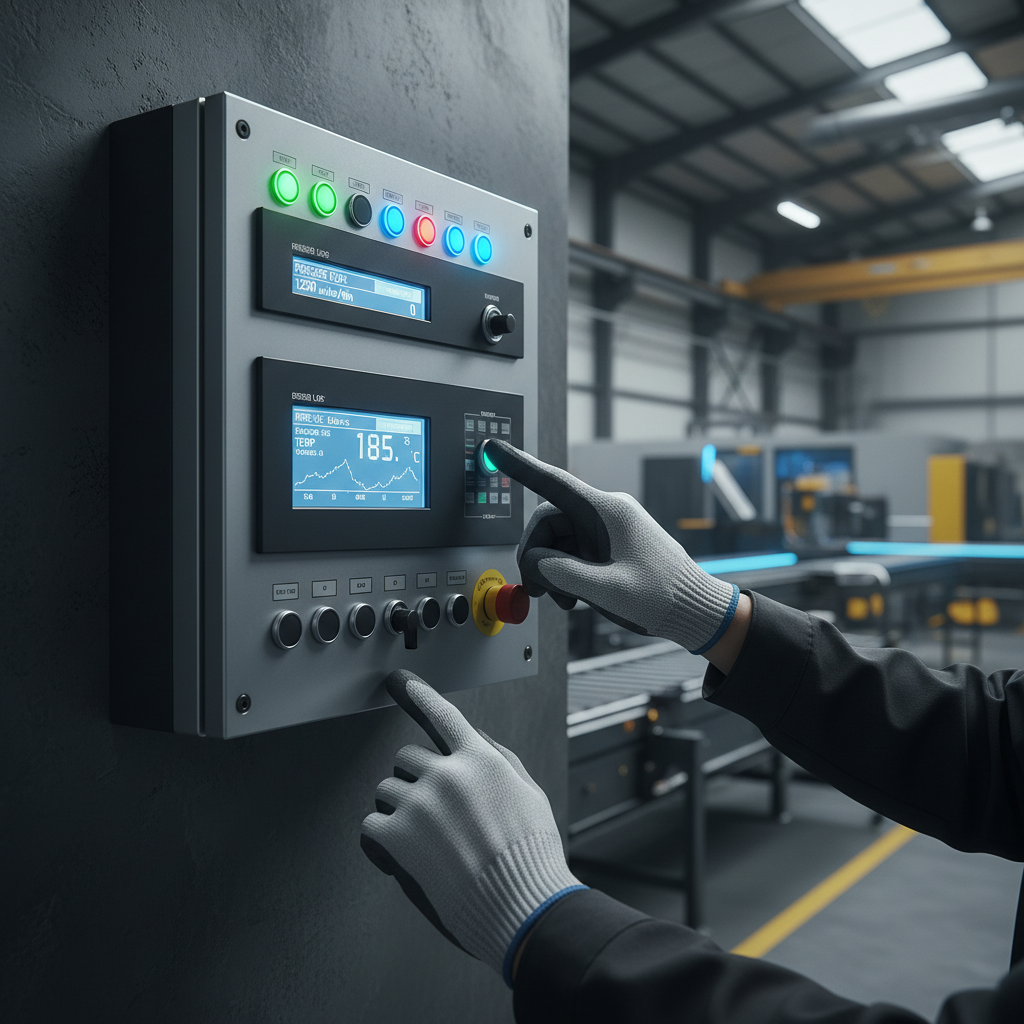
Future of 3D SCADA in Automation
The future of 3D SCADA looks promising, with continuous advancements expected to further enhance its capabilities. As industries increasingly adopt smart technologies, 3D SCADA will likely play a pivotal role in shaping the future of automation, particularly in highly specialized fields like surface treatment.
Integration with other emerging technologies, such as the Internet of Things (IoT) and artificial intelligence (AI), could lead to even more sophisticated systems, offering unprecedented levels of control and insight.
Conclusion
3D SCADA is undoubtedly transforming automation systems within the surface treatment industry. By offering enhanced visualization, improved decision-making, and increased efficiency, it is paving the way for more effective and intelligent operations. As this technology continues to evolve, it promises to further revolutionize how industries manage and optimize their processes.