
Top 5 Innovations in Electroplating Automation


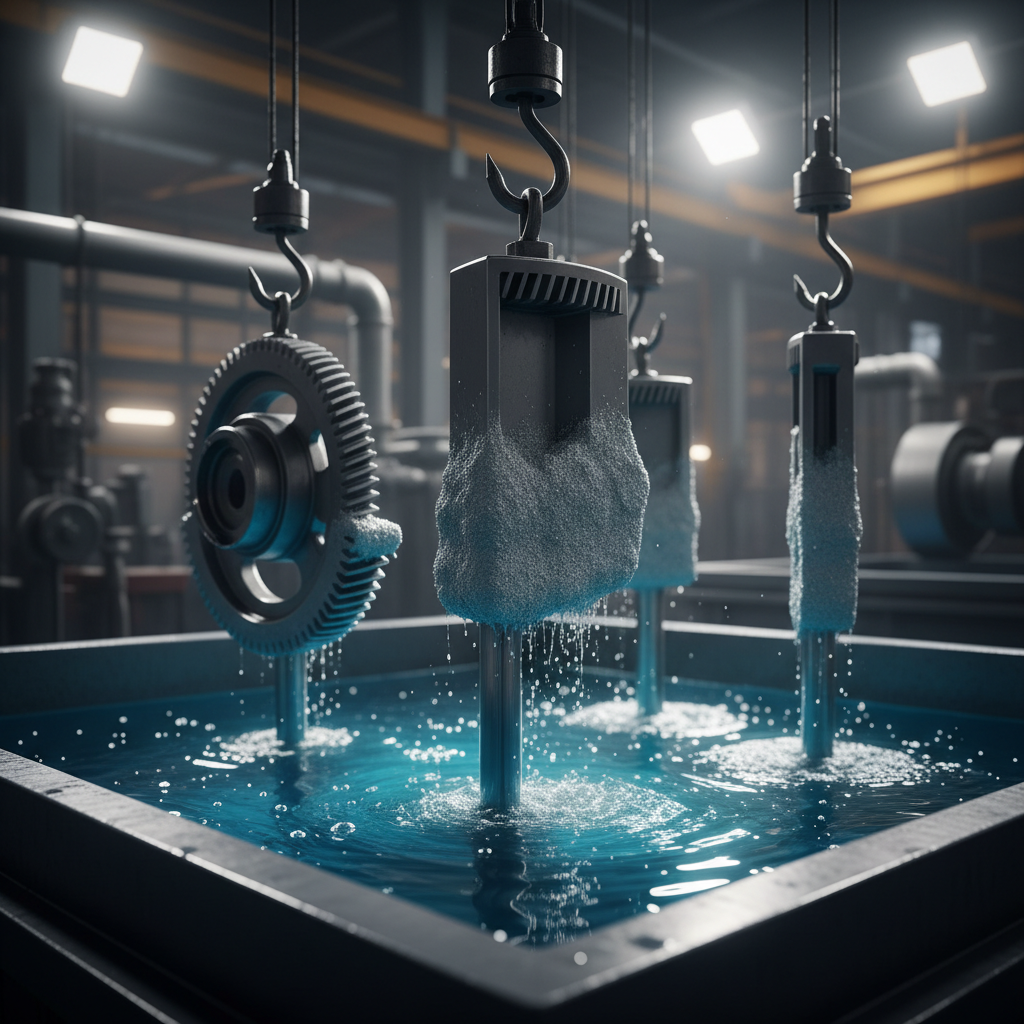
Introduction to Electroplating Automation
Electroplating has long been a cornerstone in various industries, providing essential coatings that enhance durability and aesthetics. With the advent of automation, electroplating processes have seen remarkable improvements in efficiency and precision. Here, we explore the top five innovations in electroplating automation that are transforming the industry.
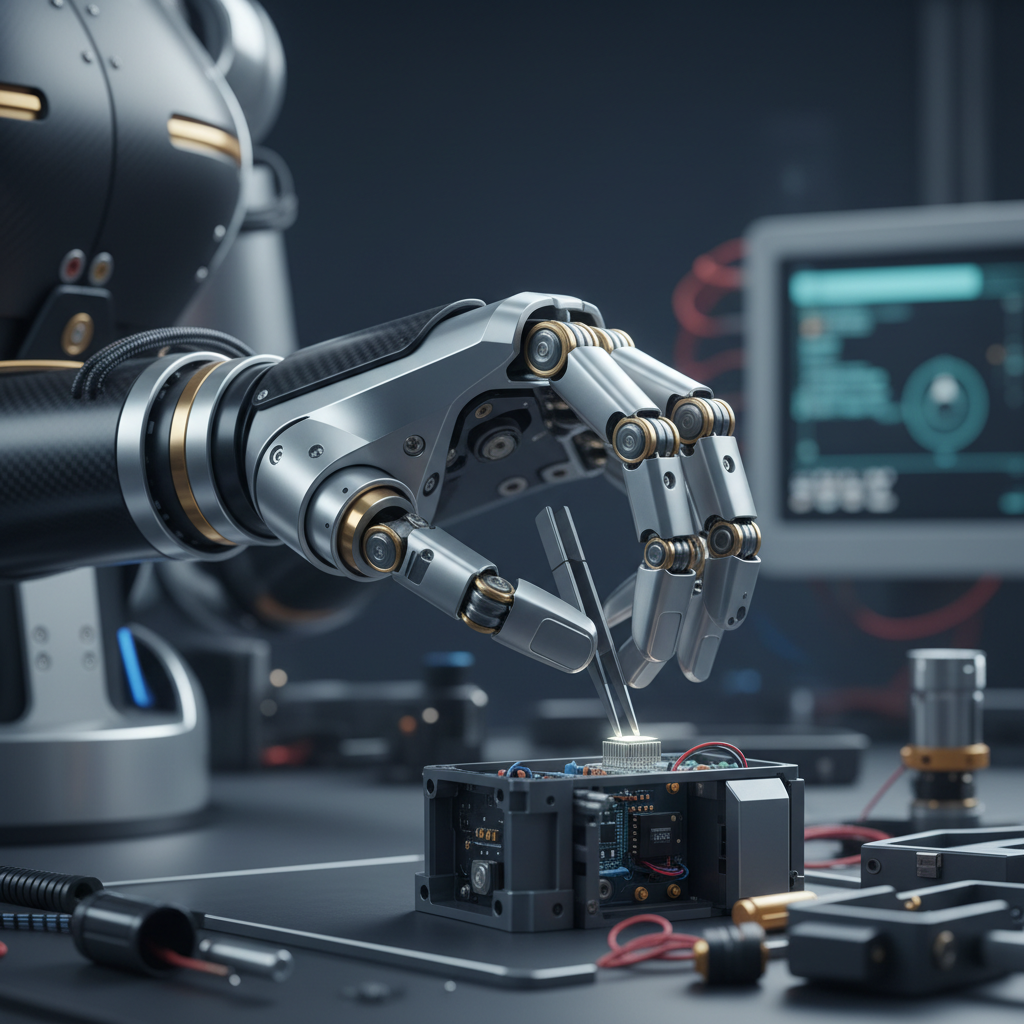
Automated Robotic Arms
One of the most impactful innovations is the integration of automated robotic arms. These systems have significantly increased the speed and accuracy of the electroplating process. By precisely controlling the movement and positioning of parts, robotic arms ensure uniform coating, reducing waste and improving product quality.
Enhanced Precision
Robotic arms are equipped with advanced sensors and programming that allow for meticulous control. This enhanced precision means fewer defects and a consistent finish across all plated items. As a result, companies can maintain high standards while increasing production rates.
Real-Time Monitoring Systems
Real-time monitoring systems have revolutionized the way electroplating operations are conducted. These systems provide continuous feedback on various parameters, such as temperature, pH levels, and electrical currents, ensuring optimal conditions are maintained throughout the process.
Data-Driven Adjustments
By utilizing data analytics, these monitoring systems can make automatic adjustments to maintain ideal conditions. This leads to improved efficiency, as potential issues are addressed before they become problematic. The ability to swiftly respond to changes enhances both the quality and speed of production.
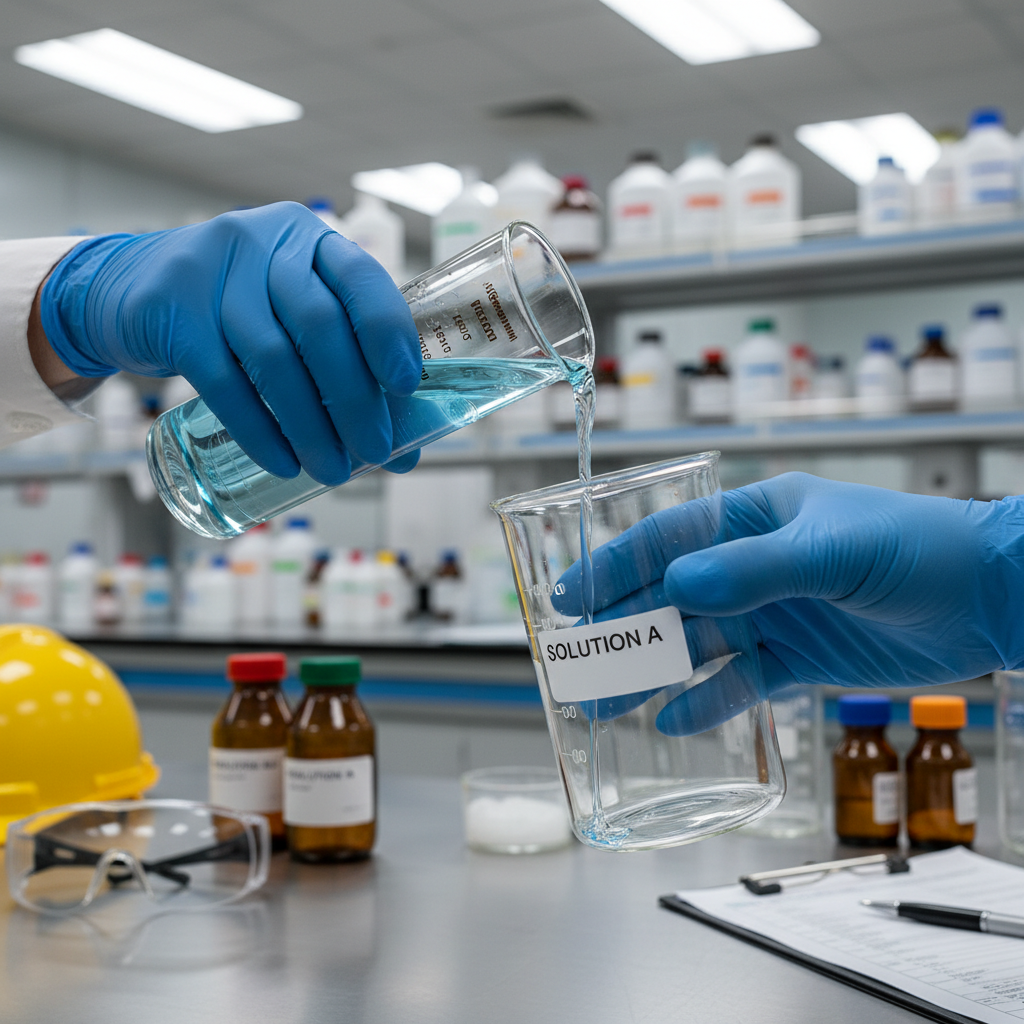
Advanced Chemical Handling
Automation in chemical handling has significantly reduced the risks associated with manual operations. Automated systems can accurately dispense and mix chemicals, ensuring the correct concentrations and reducing human error.
Safety and Waste Reduction
With automated chemical handling, safety is greatly enhanced, as workers are less exposed to potentially hazardous substances. Additionally, precise dispensing reduces chemical waste, contributing to more sustainable practices and cost savings.
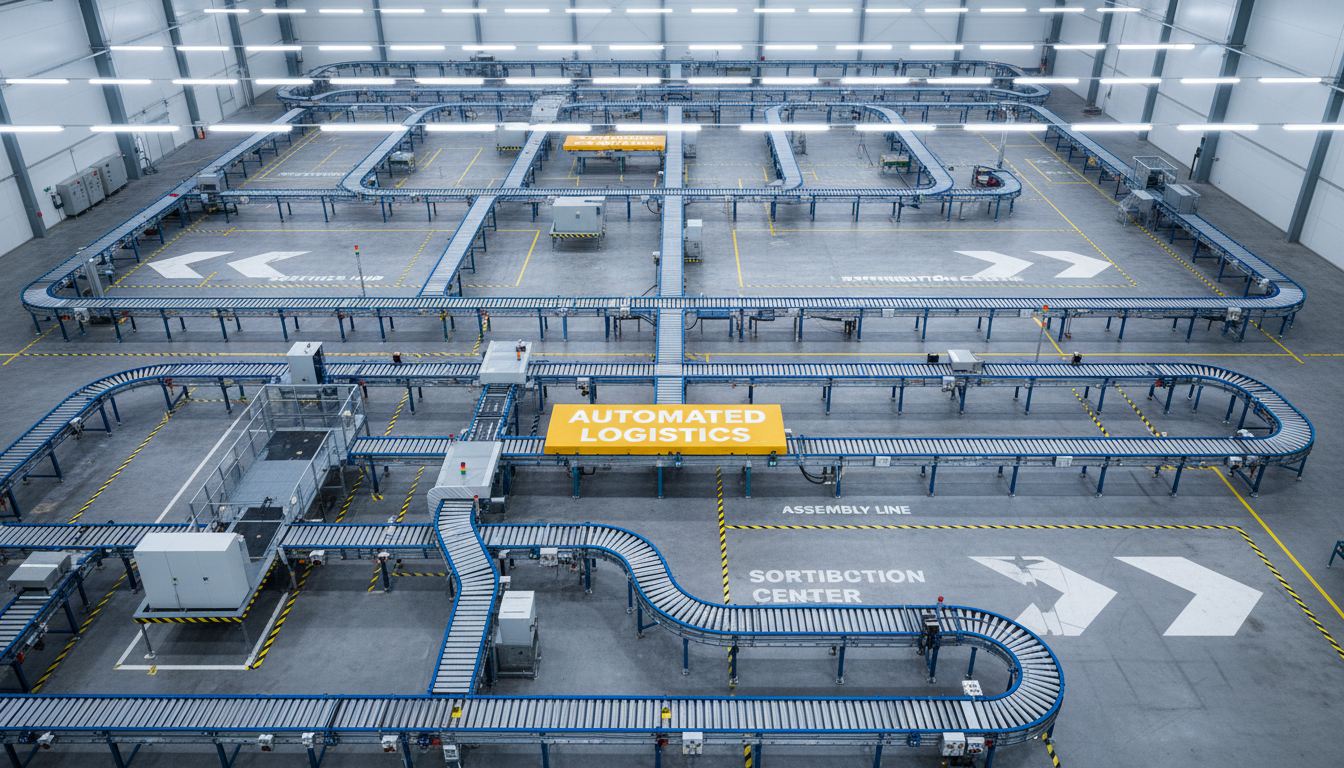
Smart Conveyor Systems
Smart conveyor systems have streamlined the movement of parts through various stages of electroplating. These systems are designed to adapt to different product sizes and shapes, providing a flexible solution for diverse manufacturing needs.
Increased Throughput
By optimizing the flow of materials, smart conveyor systems increase throughput and reduce bottlenecks. This efficiency allows companies to meet higher demands without compromising on quality, making it a vital component of modern electroplating facilities.
AI-Powered Quality Control
The incorporation of AI in quality control has brought about significant advancements in detecting defects and ensuring consistency. AI systems can rapidly analyze surface coatings and identify imperfections that may be missed by the human eye.
Continuous Improvement
AI provides insights that drive continuous improvement, allowing companies to refine their processes and enhance product quality. By learning from past data, AI systems can predict potential issues and recommend proactive measures, ensuring a consistently high standard of output.
In conclusion, the integration of automation in electroplating is reshaping the industry, offering enhanced precision, safety, and efficiency. These innovations are not only improving current processes but also paving the way for future advancements, ensuring that the industry remains competitive and sustainable.