
Top 5 Innovations in Automatic Coating Plants and Their Impact on Production


Introduction to Automatic Coating Plants
Automatic coating plants have revolutionized the manufacturing landscape, allowing for enhanced precision, efficiency, and consistency. These innovations have transformed how industries approach surface finishing, leading to significant improvements in production capabilities.
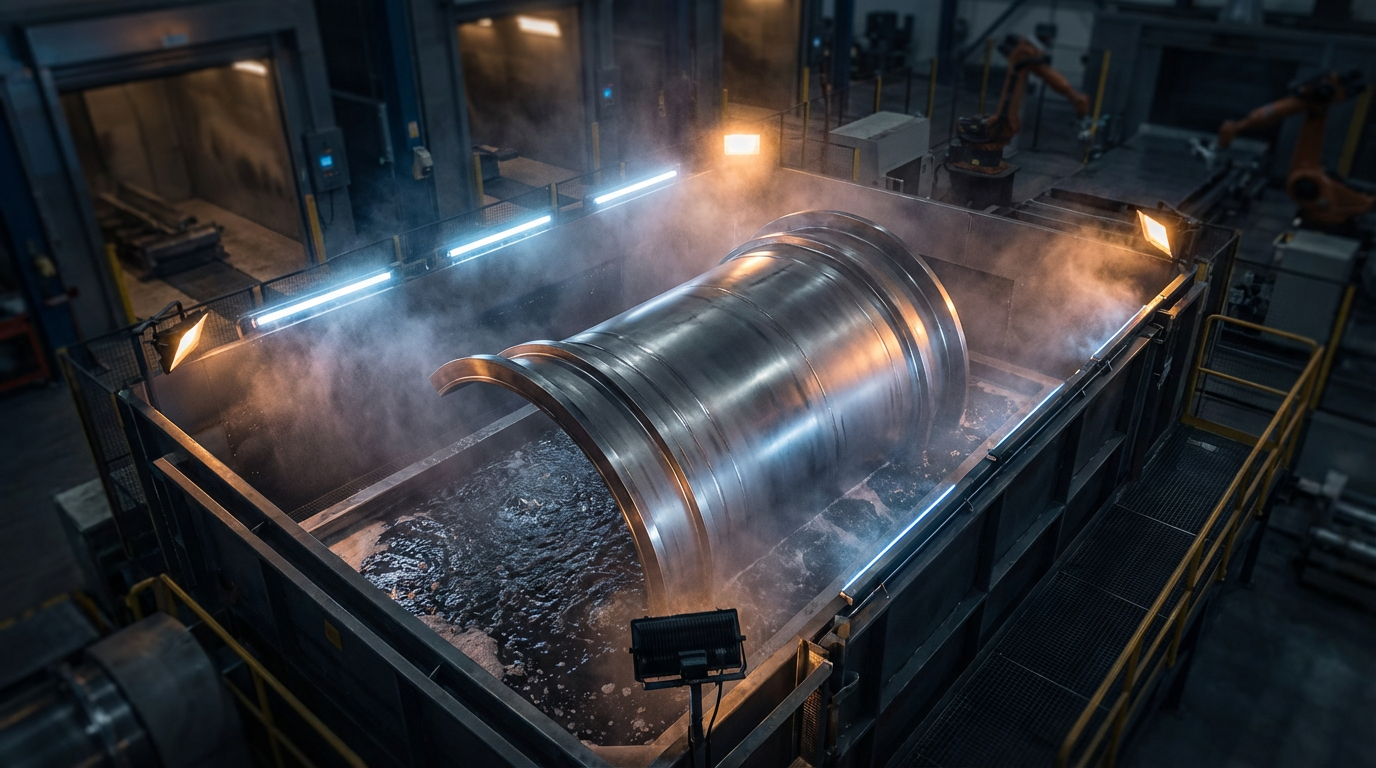
Robotic Arm Integration
One of the most significant advancements in automatic coating plants is the integration of robotic arms. These robots enhance precision and control, ensuring that coatings are applied evenly and consistently. Industries benefit from reduced waste and higher quality finishes.
Robotic arms can operate continuously, increasing production speed and reducing the need for manual labor. This innovation allows businesses to focus on other critical areas, optimizing overall workflow.
Advanced Sensor Technology
Advanced sensors play a crucial role in modern coating plants. These sensors monitor environmental conditions such as temperature and humidity, ensuring optimal coating application. By maintaining precise control over these variables, manufacturers can achieve superior results.

Sensors also enable real-time monitoring and adjustments, reducing the likelihood of defects and increasing product consistency. This technology helps in maintaining high standards across production batches.
Smart Coating Systems
Smart coating systems leverage the power of data and analytics to optimize the coating process. These systems utilize machine learning algorithms to predict and adjust coating parameters for maximum efficiency.
With smart systems, manufacturers can reduce material usage and energy consumption, making production more sustainable and cost-effective. This innovation not only benefits the environment but also improves the bottom line for businesses.

Environmentally-Friendly Coatings
As sustainability becomes a priority, environmentally-friendly coatings have emerged as a key innovation. These coatings are designed to reduce volatile organic compound (VOC) emissions, minimizing the environmental impact of the coating process.
By adopting green coatings, companies can comply with environmental regulations while appealing to eco-conscious consumers. This shift not only benefits the planet but also enhances brand reputation.
Automated Quality Control
Automated quality control systems are essential in ensuring the integrity of coatings. These systems use advanced imaging and analysis tools to detect imperfections and ensure that each product meets rigorous standards.
By automating quality control, manufacturers can reduce human error and increase throughput. This innovation leads to higher customer satisfaction and fewer returns, positively impacting the supply chain.

Conclusion
The top innovations in automatic coating plants—robotic arms, advanced sensor technology, smart coating systems, environmentally-friendly coatings, and automated quality control—are reshaping production processes. These advancements not only improve efficiency and quality but also promote sustainability and cost savings.
As technology continues to evolve, automatic coating plants will undoubtedly see further innovations, driving the manufacturing industry towards a more efficient and sustainable future.