
The Role of Automation in Enhancing Electroplating System Efficiency


Understanding Electroplating Systems
Electroplating is a critical industrial process used to coat the surface of a metal with a thin layer of another metal through electrochemical deposition. This process is pivotal in enhancing the durability, appearance, and corrosion resistance of various products. However, traditional electroplating systems can be labor-intensive and prone to inefficiencies. This is where automation steps in, revolutionizing the process and ensuring higher quality and productivity.
The integration of automation in electroplating systems can significantly reduce human error, increase production rates, and minimize waste. By automating repetitive tasks, manufacturers can ensure that each product receives a consistent coating, enhancing overall product quality and reliability.
Key Benefits of Automation in Electroplating
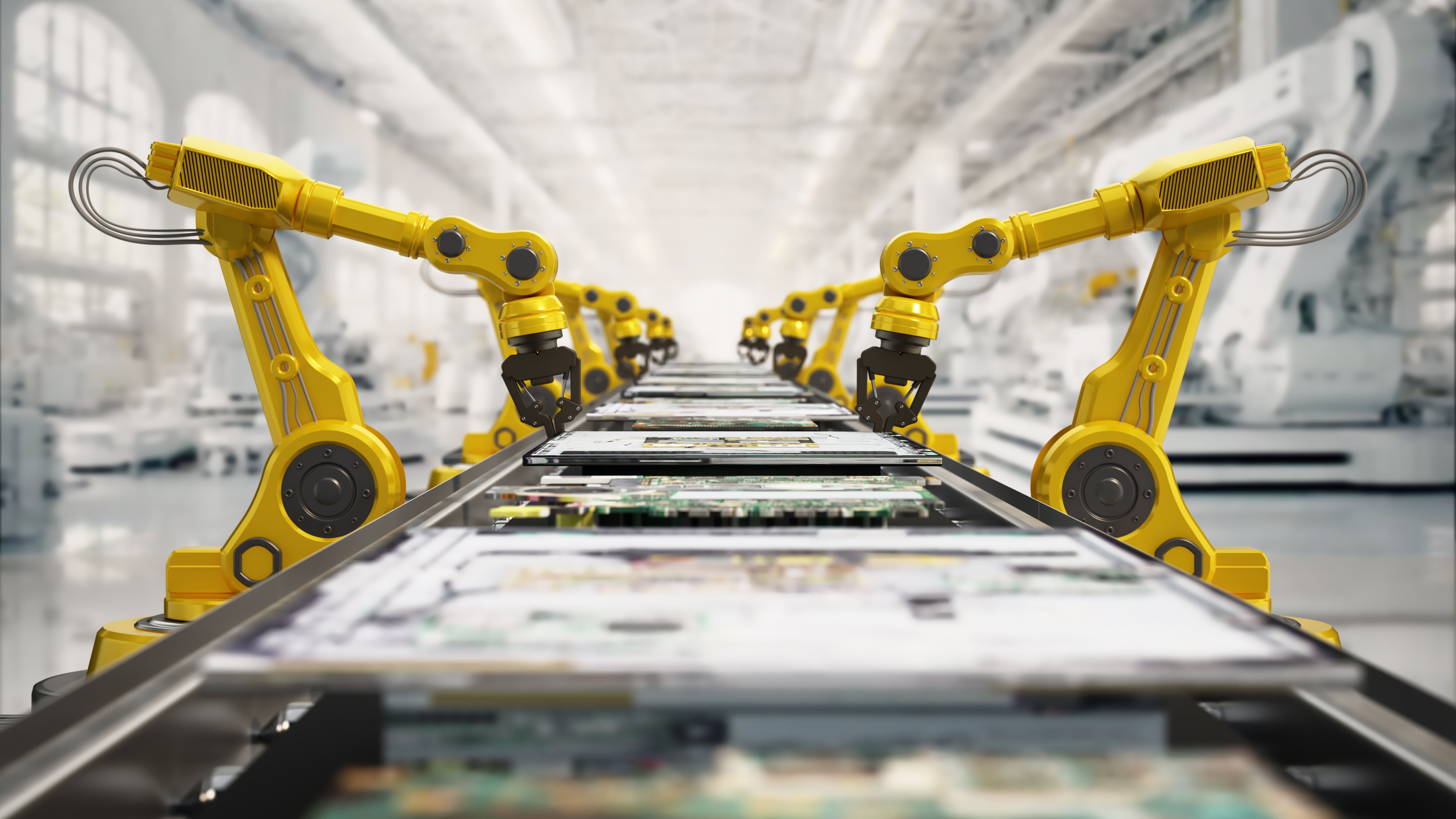
One of the primary advantages of automation in electroplating is the improvement in operational efficiency. Automated systems can operate continuously, reducing downtime and increasing throughput. This consistent production flow is essential for meeting high-demand schedules and maintaining competitive advantages in the market.
Moreover, automation contributes to better resource management. Automated systems precisely control the amount of metal deposited, which minimizes waste and reduces the consumption of costly materials. This not only cuts down on expenses but also supports environmental sustainability by decreasing the generation of hazardous waste.
Enhanced Quality Control
Quality control is a critical aspect of any manufacturing process. Automated electroplating systems are equipped with sensors and monitoring tools that ensure each product meets stringent quality standards. These systems can detect anomalies in the plating process and make real-time adjustments to maintain optimal conditions.

With automation, manufacturers can achieve higher levels of precision and consistency, which are crucial for industries such as automotive, aerospace, and electronics where even minor deviations can lead to significant issues.
Challenges and Considerations
While automation offers numerous benefits, its implementation in electroplating systems is not without challenges. Initial setup costs can be high, and there is a learning curve associated with integrating new technologies into existing processes. Companies must weigh these factors against the long-term gains in efficiency and productivity.
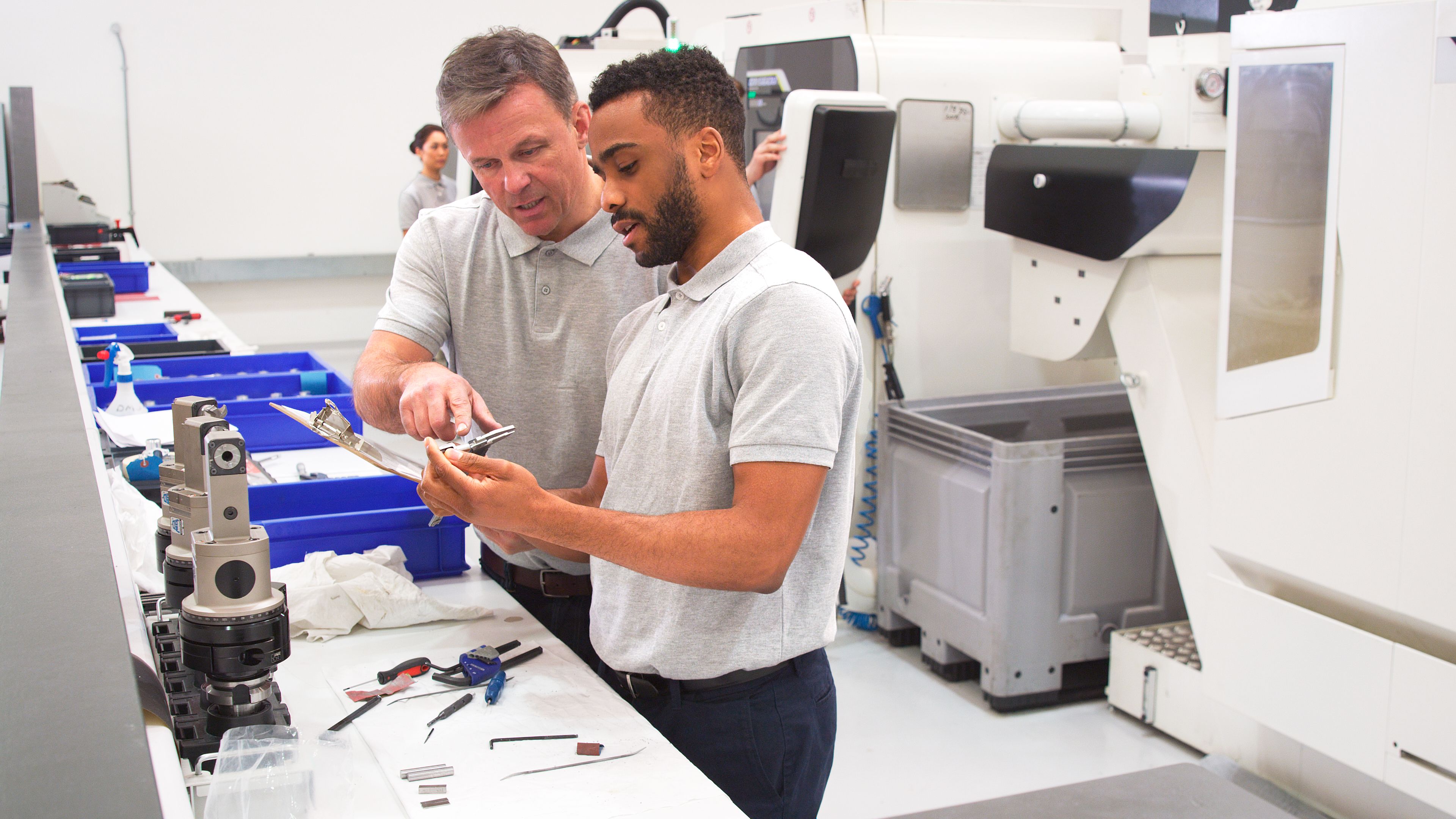
Additionally, training the workforce to operate and maintain automated systems is essential. Skilled personnel are required to manage these sophisticated systems, troubleshoot issues, and ensure smooth operation. Thus, investing in employee training is as important as investing in technology itself.
Future Prospects of Automation in Electroplating
The future of automation in electroplating looks promising, with advancements in artificial intelligence and machine learning set to further enhance system capabilities. These technologies can provide predictive maintenance, optimize operational parameters, and even suggest improvements in real-time, paving the way for smarter, more efficient production lines.
As manufacturers continue to recognize the value of automation, its adoption in electroplating processes is expected to grow. This trend will not only boost productivity but also contribute to the development of more sustainable and eco-friendly manufacturing practices.
In conclusion, the role of automation in enhancing electroplating system efficiency is transformative. By embracing these technologies, industries can achieve higher quality standards, reduce waste, and maintain a competitive edge in an ever-evolving market.