
The Future of Surface Treatment: How 3D SCADA Revolutionizes Automation Systems


In recent years, the industrial landscape has been rapidly evolving, with technology playing a pivotal role in transforming traditional processes. Among these advancements, 3D SCADA (Supervisory Control and Data Acquisition) systems are emerging as a game-changer for surface treatment automation. By integrating advanced visualization and control capabilities, 3D SCADA offers unprecedented efficiency and precision.
The surface treatment industry, which includes processes like coating, plating, and painting, demands high levels of accuracy and control. Traditional SCADA systems have long been used to monitor these processes, but the introduction of 3D capabilities marks a new era in automation. By providing a comprehensive view of operations, 3D SCADA enhances decision-making and reduces the likelihood of errors.
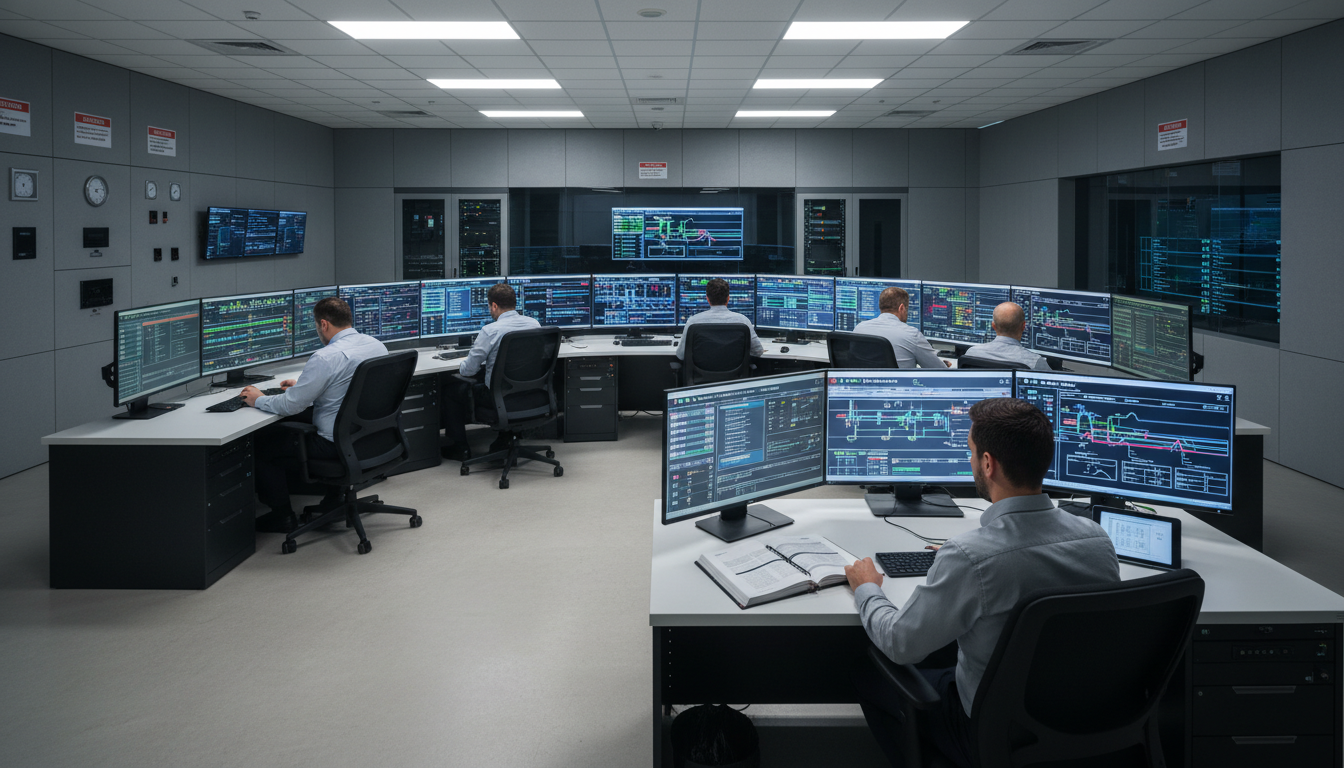
Understanding 3D SCADA Technology
3D SCADA systems integrate three-dimensional visualization with traditional SCADA functionalities. This technology enables operators to view and interact with their systems in a more intuitive way. By visualizing processes in 3D, operators can quickly identify issues and streamline operations, ultimately leading to reduced downtime and increased productivity.
One of the standout features of 3D SCADA is its ability to simulate real-world environments. Operators can navigate through virtual models of their facilities, gaining insights into the spatial dynamics of their operations. This capability is particularly valuable for surface treatment facilities, where space optimization and process flow are critical.
Benefits of 3D SCADA in Surface Treatment
The adoption of 3D SCADA in surface treatment offers numerous advantages. Firstly, it enhances real-time monitoring by providing detailed, interactive views of processes. This level of detail allows for quicker response times and more informed decision-making. Secondly, the system supports advanced data analytics, enabling predictive maintenance and reducing unexpected breakdowns.
Additionally, the immersive nature of 3D SCADA facilitates better training and onboarding of personnel. New operators can explore detailed virtual environments, gaining familiarity with equipment and processes without the risks associated with live operations. This educational aspect is crucial for maintaining high safety standards.
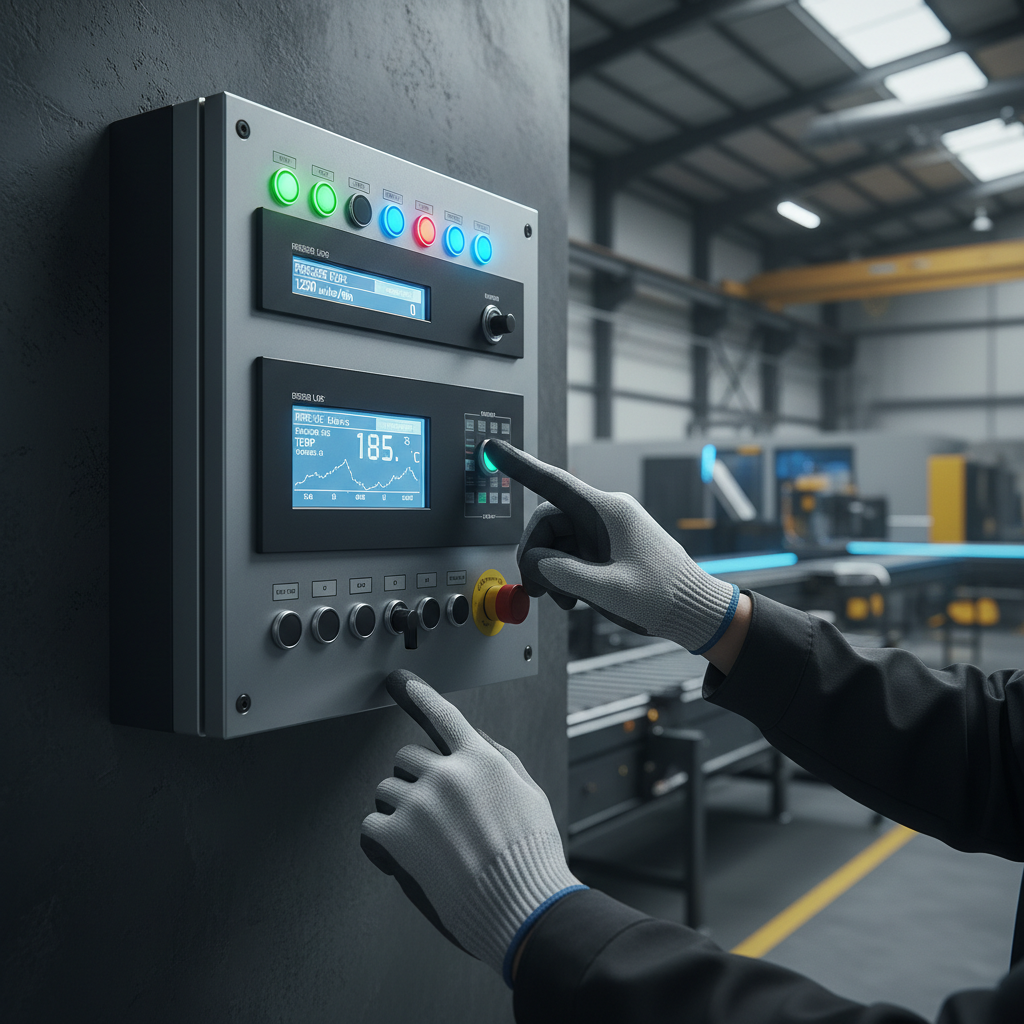
Integration with IoT and AI
The future of 3D SCADA is closely linked with the Internet of Things (IoT) and Artificial Intelligence (AI). By integrating IoT devices, 3D SCADA systems can gather data from a wide array of sensors, providing a holistic view of operations. This integration allows for more precise control and optimization of surface treatment processes.
AI algorithms can further enhance 3D SCADA systems by offering predictive insights and automating routine tasks. For example, AI can analyze data trends to predict equipment failures, enabling preemptive maintenance and minimizing costly downtime. The combination of 3D SCADA, IoT, and AI promises a highly efficient and responsive automation system.
The Road Ahead for 3D SCADA
As industries continue to embrace digital transformation, the role of 3D SCADA in surface treatment will only grow. Future developments may include even more sophisticated simulations and augmented reality features, further bridging the gap between digital and physical worlds. These advancements will not only enhance operational efficiency but also open new avenues for innovation in product design and process optimization.
Moreover, as environmental concerns become increasingly important, 3D SCADA systems can contribute to sustainability efforts. By optimizing resource usage and minimizing waste, these systems support eco-friendly practices in surface treatment processes.
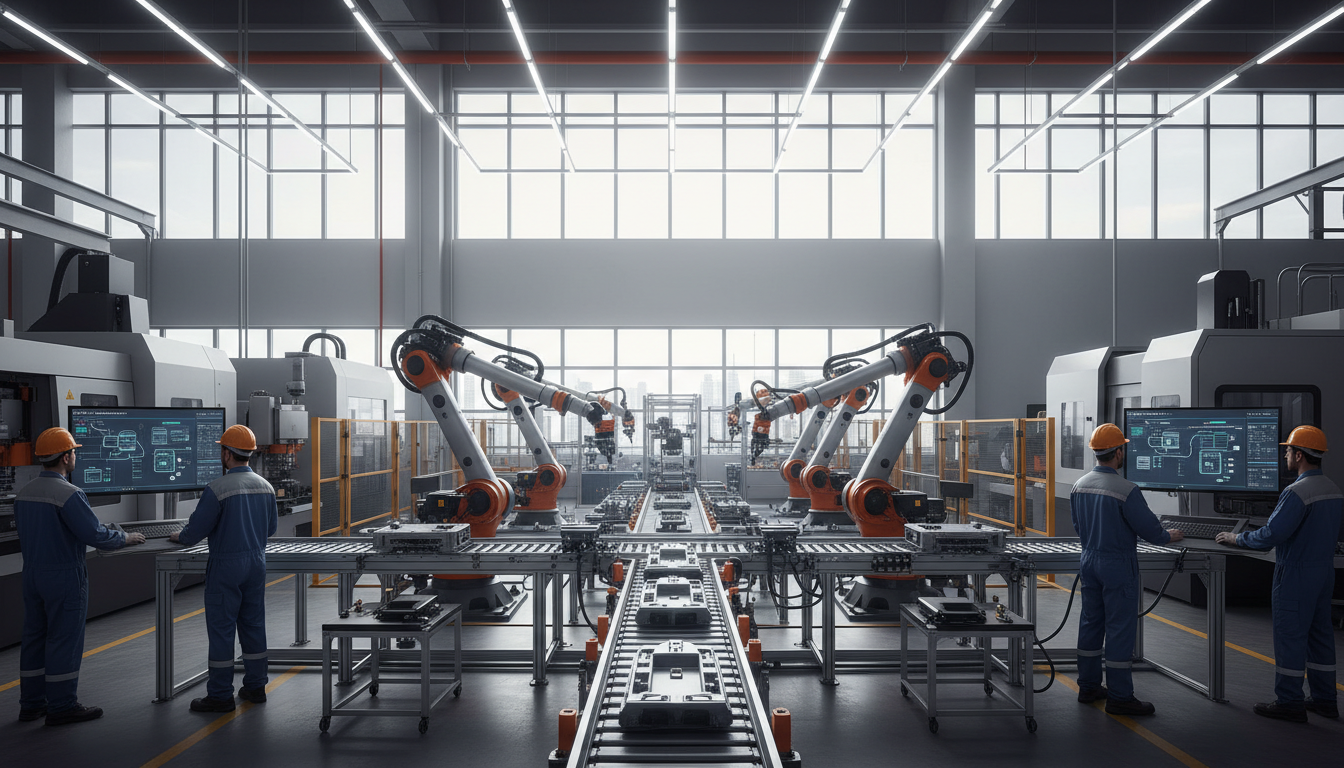
In conclusion, the evolution of 3D SCADA technology is set to revolutionize the surface treatment industry. By offering enhanced visualization, improved efficiency, and seamless integration with IoT and AI, 3D SCADA systems are paving the way for smarter, more sustainable automation solutions. As technology continues to advance, industries that adopt these systems will likely lead the way in innovation and operational excellence.