
The Future of Surface Treatment: Exploring 3D SCADA in Automation Systems


Introduction to 3D SCADA in Surface Treatment
In the realm of industrial automation, surface treatment processes play a crucial role. With the advent of 3D SCADA (Supervisory Control and Data Acquisition), the landscape of surface treatment is witnessing transformative changes. This advanced system offers a comprehensive solution that integrates sophisticated monitoring and control capabilities, promising to enhance both efficiency and precision.
What is 3D SCADA?
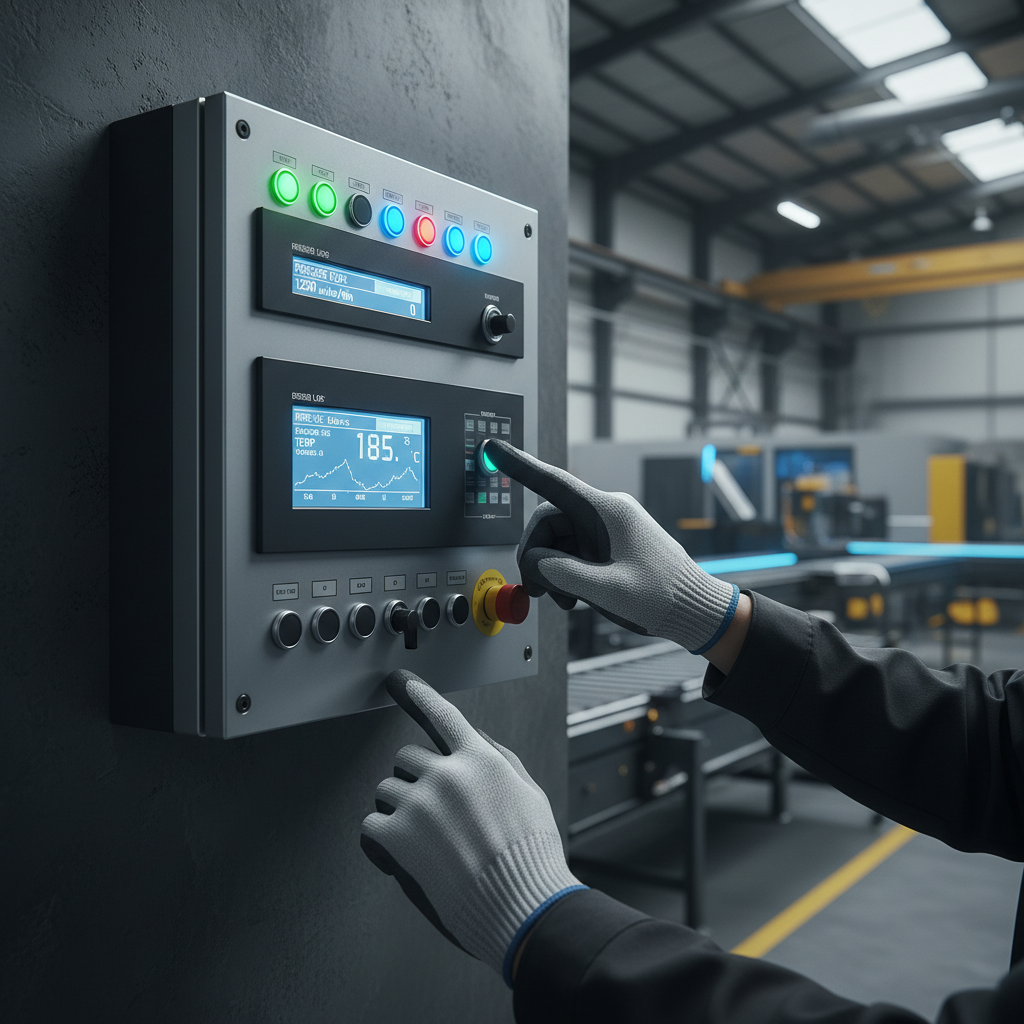
3D SCADA is an evolved form of traditional SCADA systems, incorporating three-dimensional visualization to offer a more immersive and detailed view of industrial processes. By providing real-time data in a more intuitive format, 3D SCADA allows operators to interact with the data more effectively, leading to better decision-making and process optimization.
With 3D visualization, operators can monitor complex processes and machinery in a virtual environment, identifying potential issues before they escalate. This capability is particularly beneficial in surface treatment, where precision and quality control are paramount.
Benefits of 3D SCADA in Surface Treatment
The integration of 3D SCADA in surface treatment systems brings several benefits:
- Enhanced Visualization: Operators gain a clear, detailed view of the entire process, enabling them to spot irregularities quickly.
- Improved Efficiency: Real-time data and analytics enhance decision-making, reducing downtime and boosting productivity.
- Predictive Maintenance: The system can predict equipment failures, allowing for timely interventions and minimizing disruptions.

Applications in Automation Systems
3D SCADA is not limited to surface treatment alone; it extends its capabilities across various automation systems. The integration of this technology allows for seamless control and monitoring of multiple processes, ensuring that industries can maintain high standards of operation across the board.
From automotive to aerospace, various sectors are harnessing the power of 3D SCADA to enhance their surface treatment processes. By adopting this technology, industries can stay ahead of the curve, ensuring that their systems are both efficient and reliable.
Challenges and Future Prospects
While 3D SCADA offers numerous advantages, its implementation is not without challenges. The initial setup can be complex, requiring skilled personnel and significant investment. Additionally, maintaining the system to ensure it operates smoothly is crucial for reaping the benefits.

Looking ahead, the future of 3D SCADA in surface treatment appears promising. As technology continues to evolve, we can expect even more sophisticated systems that offer greater control, efficiency, and accuracy. Industries that embrace these advancements will likely maintain a competitive edge, delivering superior quality products with reduced operational costs.
Conclusion
In conclusion, 3D SCADA represents a significant leap forward in the automation of surface treatment processes. Its ability to provide detailed visualizations, coupled with real-time data analysis, positions it as a key player in the future of industrial automation. By overcoming initial implementation challenges, industries can unlock the full potential of 3D SCADA, paving the way for more innovative and efficient manufacturing processes.