The Future of Robotic Systems in the Plating Industry


Introduction to Robotic Systems in Plating
The plating industry is undergoing a significant transformation thanks to the integration of robotic systems. These advanced technologies are streamlining processes, improving efficiency, and enhancing quality in various plating operations. As we look to the future, the role of robotics in plating is expected to expand even further, bringing about groundbreaking changes.
Robotic systems offer unparalleled precision and consistency, allowing for higher quality finishes and reduced waste. By automating repetitive tasks, these systems free up human workers to focus on more complex and creative aspects of the plating process.
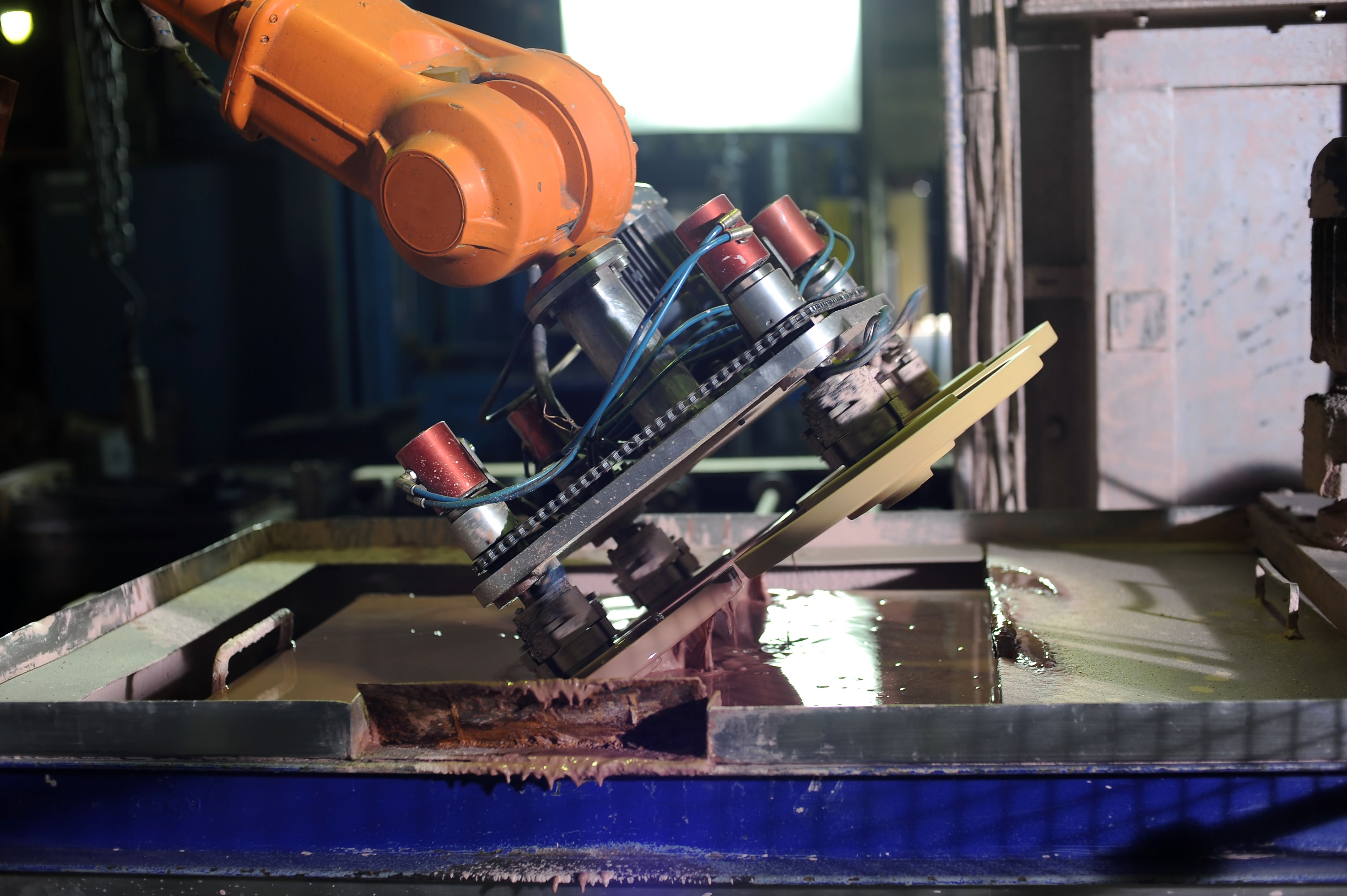
Advancements in Robotic Technology
Recent advancements in robotic technology are paving the way for more sophisticated applications in the plating industry. Modern robots are equipped with sensors and AI capabilities, enabling them to adapt to various tasks and environments with ease. This adaptability is crucial for handling the diverse demands of plating operations.
Moreover, the integration of machine learning allows these robots to improve over time, learning from past tasks to optimize future performance. This continuous improvement leads to greater efficiency and cost savings for businesses.

Customized Solutions for Various Needs
One of the most exciting aspects of robotic systems in the plating industry is the potential for customized solutions. With the ability to tailor robotic systems to specific needs, businesses can enhance their operations in ways that were previously unimaginable.
- Automated quality control checks
- Precision handling of delicate components
- Integration with existing manufacturing systems
Impact on Workforce and Skills
The introduction of robotic systems in the plating industry is not without its challenges, particularly concerning the workforce. While robots take over repetitive tasks, the demand for skilled workers who can manage and maintain these systems is on the rise.
Training programs and educational initiatives are essential to equip workers with the necessary skills to thrive in this new environment. By embracing change and focusing on skill development, the industry can ensure a smooth transition to a more automated future.

Sustainability and Efficiency
Robotic systems are also contributing to sustainability efforts within the plating industry. By optimizing resource usage and minimizing waste, these technologies are helping businesses meet environmental standards and reduce their carbon footprint.
The efficiency gains from robotic systems translate into lower energy consumption and less material waste, aligning with global sustainability goals and creating a more responsible industry.
The Road Ahead
As we look to the future, the role of robotic systems in the plating industry is set to expand even further. Continuous innovation and collaboration between technology providers and plating companies will drive this growth, leading to new applications and opportunities.
Embracing these technologies will not only enhance operational efficiency but also open doors to innovative solutions and business models, ensuring the plating industry remains competitive in a rapidly evolving market.