
The Future of Robotic Systems in the Plating Industry


Introduction to Robotic Systems in Plating
The plating industry has long been a cornerstone of manufacturing, providing essential coatings for products ranging from automotive parts to consumer electronics. As technology advances, robotic systems are becoming increasingly prevalent in plating operations, offering enhanced efficiency, precision, and safety.
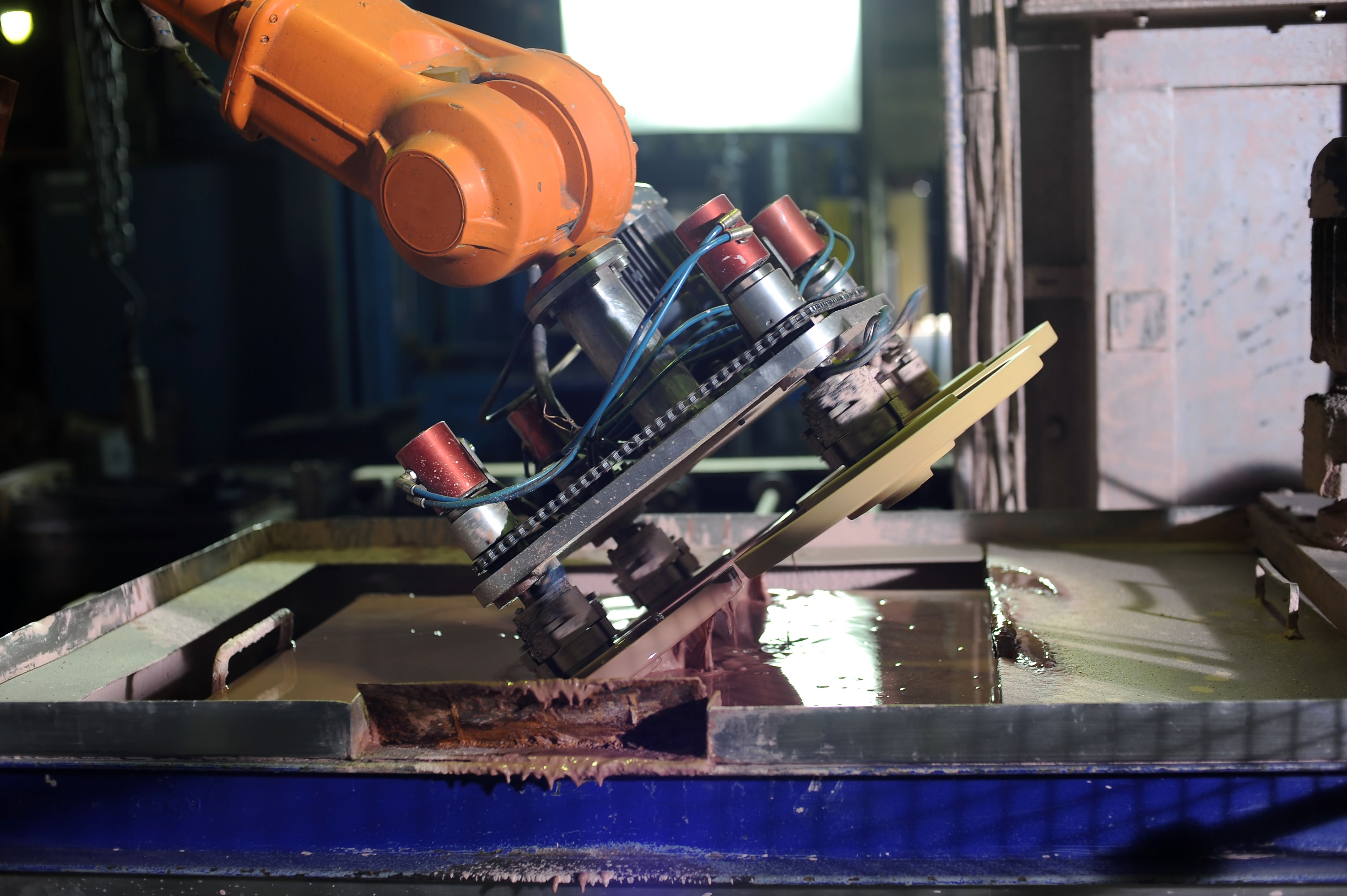
Robotic systems in plating are transforming traditional methods, allowing for more consistent application of coatings and reducing human error. These advancements are not only boosting productivity but also contributing to the sustainability of the industry.
Advantages of Robotics in Plating
Increased Efficiency and Precision
Robotic systems are designed to perform repetitive tasks with high precision, which is crucial in the plating industry. By automating these tasks, manufacturers can increase throughput and maintain consistent quality. Robots can operate continuously without fatigue, ensuring that the production line remains active around the clock.
Enhanced Safety and Reduced Labor Costs
The use of robotics in plating significantly enhances workplace safety. By handling hazardous materials and processes, robots minimize the exposure of workers to potential health risks. Additionally, automation helps reduce labor costs, allowing companies to allocate resources more effectively.

Technological Innovations Driving Change
Advanced Sensors and AI Integration
Modern robotic systems in the plating industry often incorporate advanced sensors and artificial intelligence. These technologies enable robots to adapt to real-time changes, optimize processes, and ensure precise control over coating applications. AI can also predict maintenance needs, reducing downtime and extending the lifespan of equipment.
The Role of Machine Learning
Machine learning is playing a pivotal role in the evolution of robotic systems. By analyzing data from previous plating processes, robots can learn and improve over time, enhancing efficiency and accuracy. This adaptability is crucial for meeting the evolving demands of the market.

Challenges and Considerations
Initial Investment and Implementation
While the benefits of robotic systems are clear, the initial investment can be a significant barrier for some companies. The cost of purchasing and implementing these systems can be substantial, requiring careful planning and budgeting. However, the long-term savings and productivity gains often justify the expenditure.
Integration with Existing Systems
Another challenge is integrating robotic systems with existing infrastructure. Companies must ensure that new technology can seamlessly work alongside traditional equipment. This may involve retrofitting or upgrading current systems, which can be complex and time-consuming.
The Future Outlook
The future of robotic systems in the plating industry is promising, with continuous advancements expected in automation, AI, and machine learning. As these technologies evolve, they will further enhance the capabilities of robotic systems, making them indispensable in modern manufacturing.
Companies that embrace these changes will likely lead the industry, benefiting from increased efficiency, lower costs, and improved safety standards. As the world moves towards more sustainable practices, the adoption of robotics in plating will be a critical step forward.