
Real-Time Innovations: How 3D SCADA Improves Surface Technology Processes


In the rapidly evolving world of industrial technology, real-time innovations are transforming how businesses operate. Among these advancements, 3D SCADA (Supervisory Control and Data Acquisition) systems have emerged as a pivotal technology, particularly in enhancing surface technology processes. These systems offer a robust platform for monitoring and controlling industrial operations, providing unparalleled insights and efficiencies.
Understanding 3D SCADA Systems
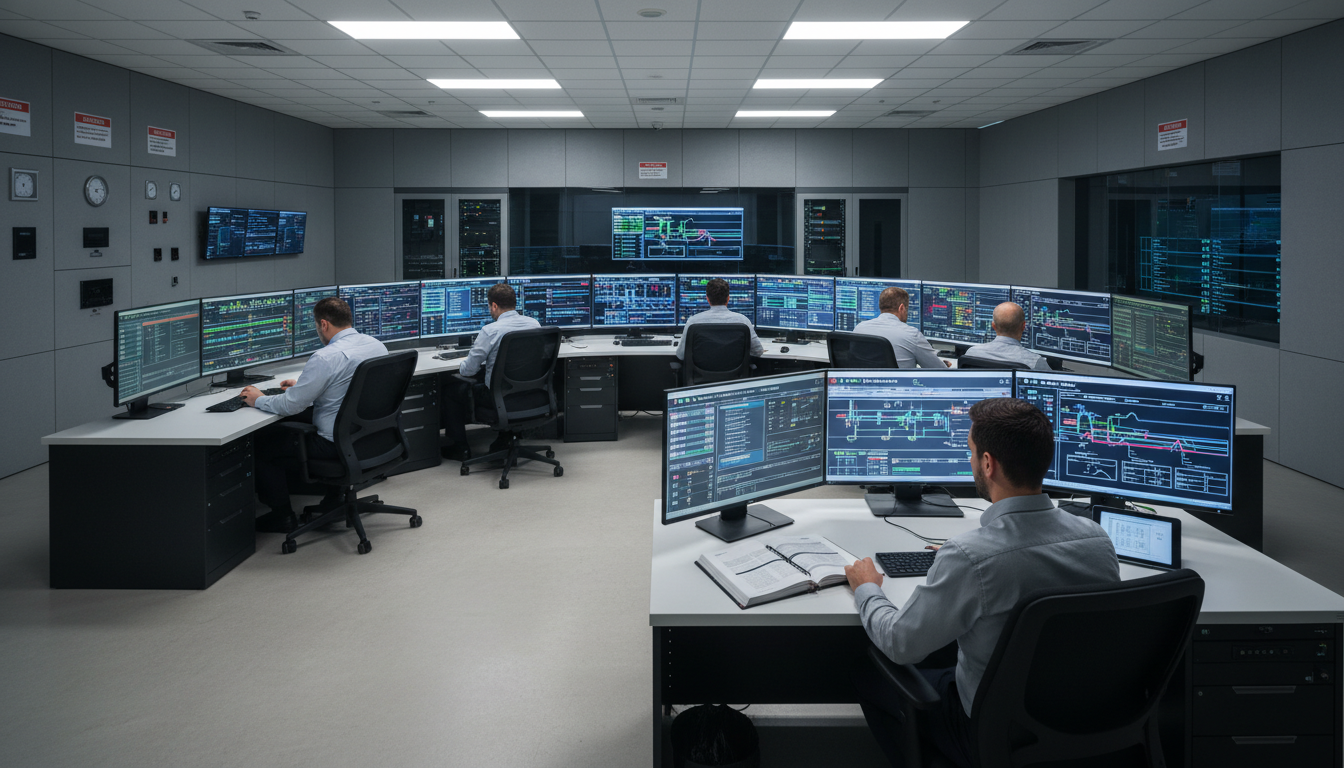
3D SCADA systems integrate three-dimensional visualization with traditional SCADA functionalities. This integration allows for more intuitive monitoring and management of industrial processes. The 3D aspect provides a more comprehensive view of operations, enabling operators to understand spatial relationships and dynamics better.
By using 3D SCADA, companies can visualize their entire operation floor in real-time, pinpointing issues quickly and accurately. This capability is especially beneficial in surface technology processes, where precision and timing are crucial.
Benefits of Real-Time Monitoring
Real-time monitoring is one of the most significant benefits of 3D SCADA systems. It allows for immediate detection and response to any irregularities or faults in the process. This capability reduces downtime and enhances productivity.
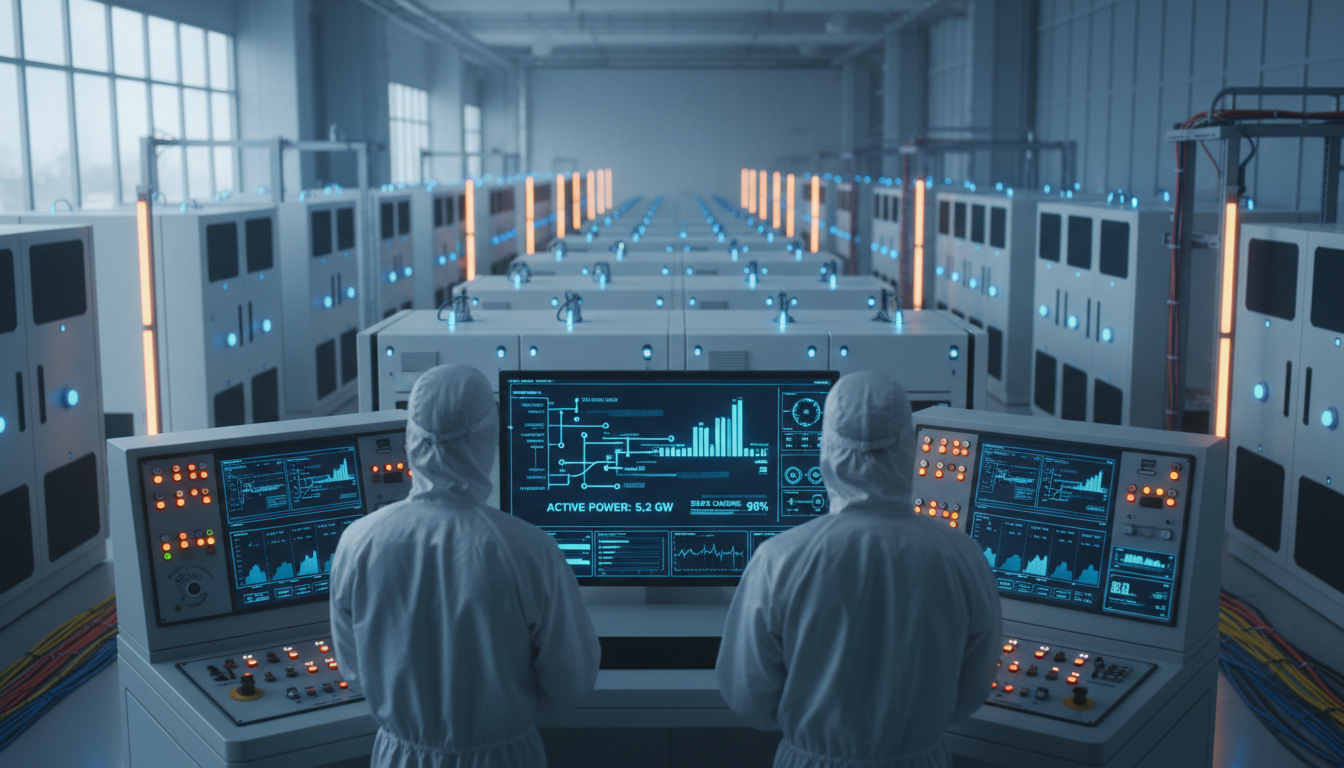
Moreover, real-time data provides valuable insights into process performance, enabling companies to make informed decisions and optimize their operations. This data-driven approach is crucial in maintaining the high-quality standards required in surface technology.
Enhancing Surface Technology Processes
Surface technology processes, such as coating and finishing, require precise control and monitoring to ensure quality and efficiency. 3D SCADA systems facilitate this by providing a detailed view of the process, allowing operators to make adjustments in real-time.
With the ability to simulate different scenarios, operators can predict potential issues and implement preventive measures. This predictive capability significantly reduces the likelihood of defects and enhances overall process efficiency.
Improved Collaboration and Communication
3D SCADA systems also improve collaboration and communication among teams. With a shared, intuitive visualization of the processes, team members can easily discuss and resolve issues, leading to improved operational efficiency.

Additionally, these systems often come with integrated communication tools, allowing for seamless information sharing across departments. This integration ensures that everyone is on the same page, minimizing miscommunications and errors.
The Future of 3D SCADA in Surface Technology
As technology continues to advance, 3D SCADA systems are expected to become even more sophisticated. With enhancements in AI and machine learning, these systems will offer predictive analytics, further improving surface technology processes.
Businesses that invest in these innovations today will likely have a competitive advantage, benefiting from increased efficiency, reduced costs, and improved product quality.
In conclusion, the adoption of 3D SCADA systems is revolutionizing surface technology processes. By providing real-time data, improved visualization, and enhanced communication, these systems are paving the way for a more efficient and effective industrial future.