
Preparing Your Business for Seasonal Changes in Surface Treatment Needs


Understanding Seasonal Variations in Surface Treatments
As seasons change, so do the needs for surface treatments in various industries. These changes can impact everything from the materials used to the processes applied. Understanding these seasonal variations is crucial for businesses aiming to maintain efficiency and effectiveness in their operations.
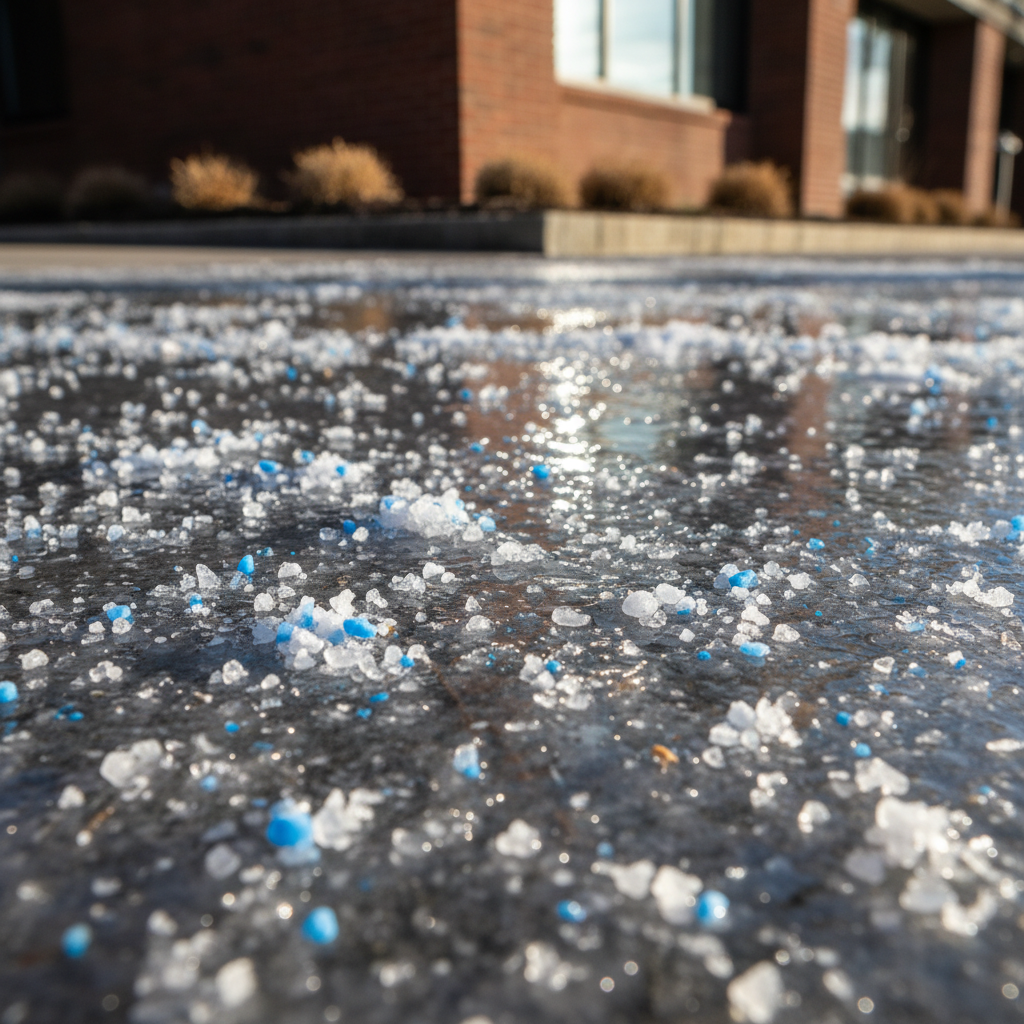
For instance, winter may bring challenges like increased moisture, which can affect coatings and finishes. Conversely, summer might introduce issues related to heat and UV exposure, requiring different protective measures.

Assessing Your Current Surface Treatment Processes
Before preparing for seasonal changes, it’s essential to assess your current processes. Evaluate the effectiveness of your existing treatments and identify any potential weaknesses that could be exacerbated by upcoming seasonal shifts. This assessment can help in determining the adjustments needed to optimize performance.
Consider factors such as the durability of coatings, the flexibility of materials, and the impact of environmental conditions on your products. A thorough evaluation can guide you in selecting the right adjustments for seasonal needs.
Adapting to Changing Weather Conditions
Adapting your surface treatment processes to changing weather conditions is crucial for maintaining product quality. During colder months, ensure that materials are stored in temperature-controlled environments to prevent damage. Additionally, consider using additives that improve resilience against moisture and cold.
In warmer seasons, focus on UV-resistant coatings and materials that can withstand higher temperatures. These proactive steps help in extending the lifespan of your products and maintaining their aesthetic appeal.
Investing in Training and Technology
Investing in staff training and the latest technology can significantly enhance your ability to respond to seasonal changes. Educate your team about the specific challenges and solutions related to each season, ensuring they are well-equipped to handle any adjustments.
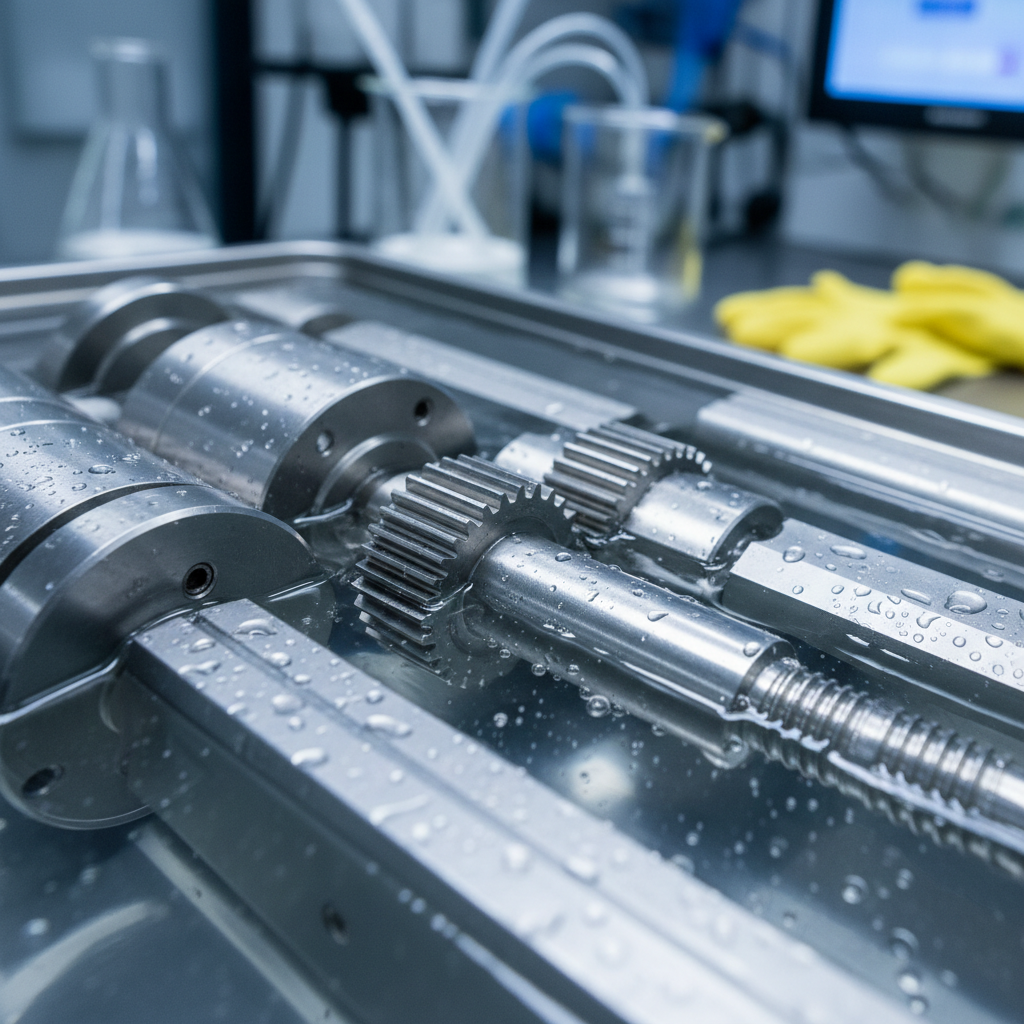
Moreover, incorporating advanced technology can streamline your processes. Automated systems, for example, can monitor environmental conditions in real-time and adjust treatment applications accordingly.
Building Strong Supplier Relationships
Maintaining strong relationships with suppliers is essential for ensuring a steady flow of necessary materials and resources. Communicate your seasonal needs clearly and work collaboratively to secure the best products and solutions.
Suppliers can also provide valuable insights into new materials and technologies that are specifically designed to tackle seasonal challenges, keeping you ahead of the curve.
Creating a Seasonal Maintenance Schedule
Developing a detailed maintenance schedule tailored to each season can help in preventing potential issues before they arise. Outline specific tasks and checks to be performed regularly, such as inspecting coatings for wear and tear or verifying the integrity of protective barriers.
This proactive approach not only safeguards your products but also ensures that your business operates smoothly throughout the year.

In conclusion, preparing your business for seasonal changes in surface treatment needs requires a comprehensive strategy. By understanding the unique challenges of each season, assessing your current processes, and implementing targeted solutions, you can ensure that your products remain durable and effective, regardless of the weather.