Myth-Busting: Common Misconceptions About Krom Kaplama


Understanding Krom Kaplama
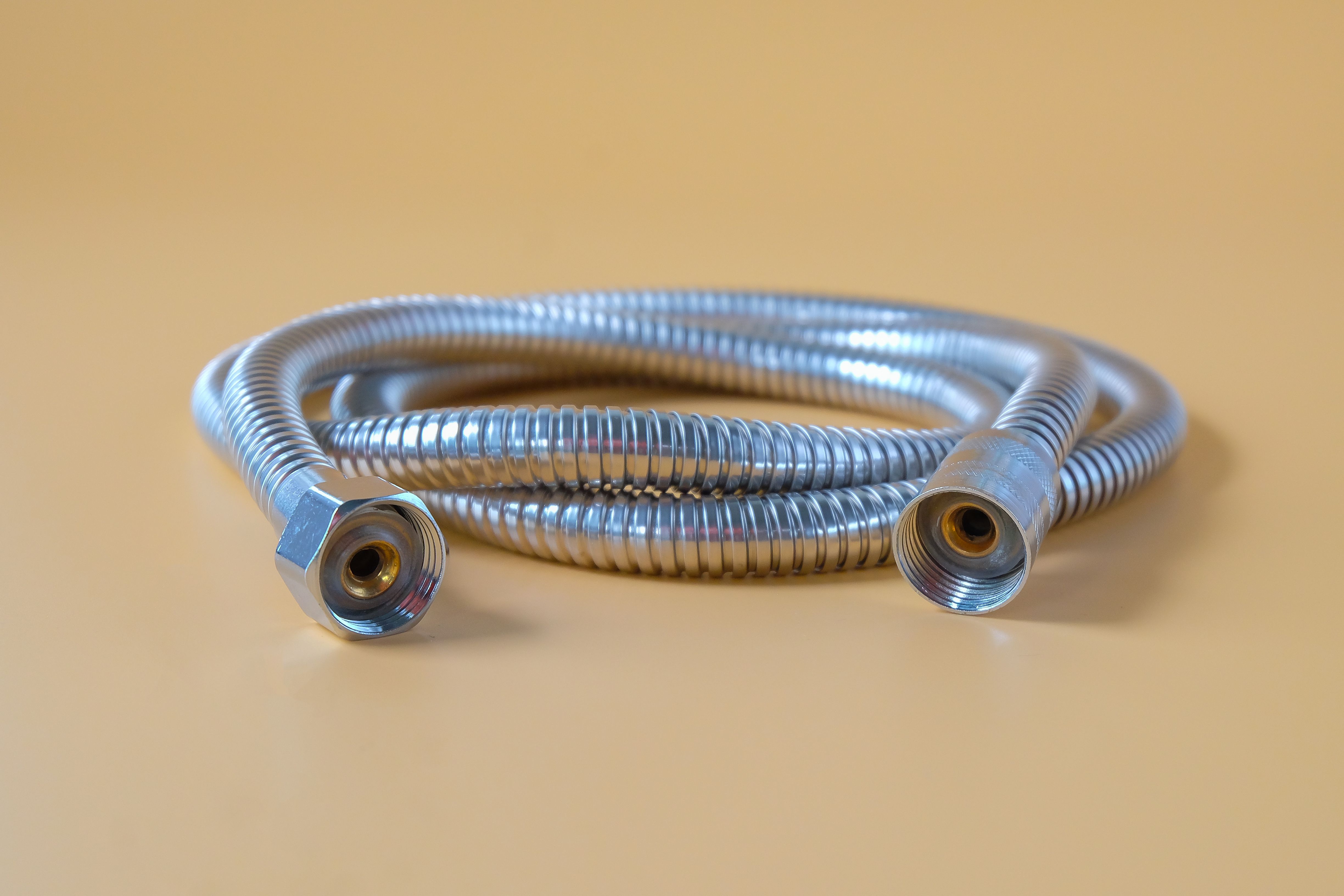
Krom Kaplama, or chrome plating, is a process that involves electroplating a thin layer of chromium onto a metal object. This process is highly valued for its decorative appeal and corrosion resistance. However, several misconceptions about Krom Kaplama persist, leading to confusion and misinformation.
Misconception 1: Krom Kaplama Is Only for Aesthetic Purposes
While it is true that Krom Kaplama adds a shiny, mirror-like finish to metal surfaces, its benefits extend beyond aesthetics. The chromium layer provides significant protection against corrosion and wear, making it an excellent choice for items exposed to harsh environmental conditions.
Furthermore, Krom Kaplama enhances the hardness of the material, which is especially beneficial in industrial applications where durability is crucial.
Misconception 2: Krom Kaplama Is Expensive
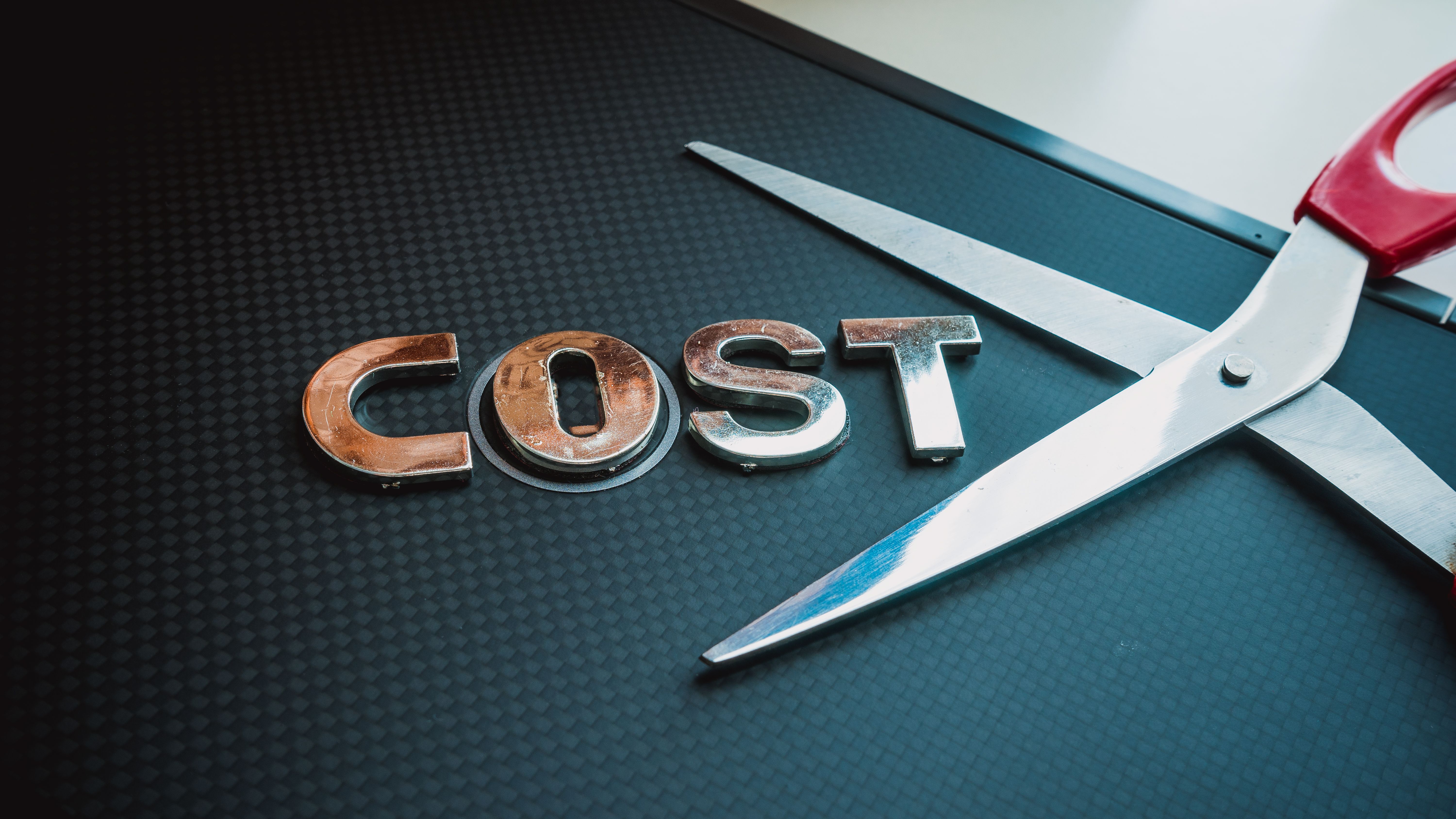
Another common misconception is that Krom Kaplama is prohibitively expensive. The cost can vary depending on several factors, including the size of the item, the thickness of the chrome layer, and the complexity of the process.
However, when considering the longevity and protective benefits that Krom Kaplama offers, many find it to be a cost-effective solution in the long run.
Misconception 3: Krom Kaplama Is Harmful to the Environment
There is a belief that the chrome plating process is environmentally damaging. While traditional methods did pose environmental risks, modern advancements have led to more eco-friendly practices.
Today, many facilities use closed-loop systems and adhere to strict environmental regulations, significantly reducing the ecological impact.
The Process of Krom Kaplama
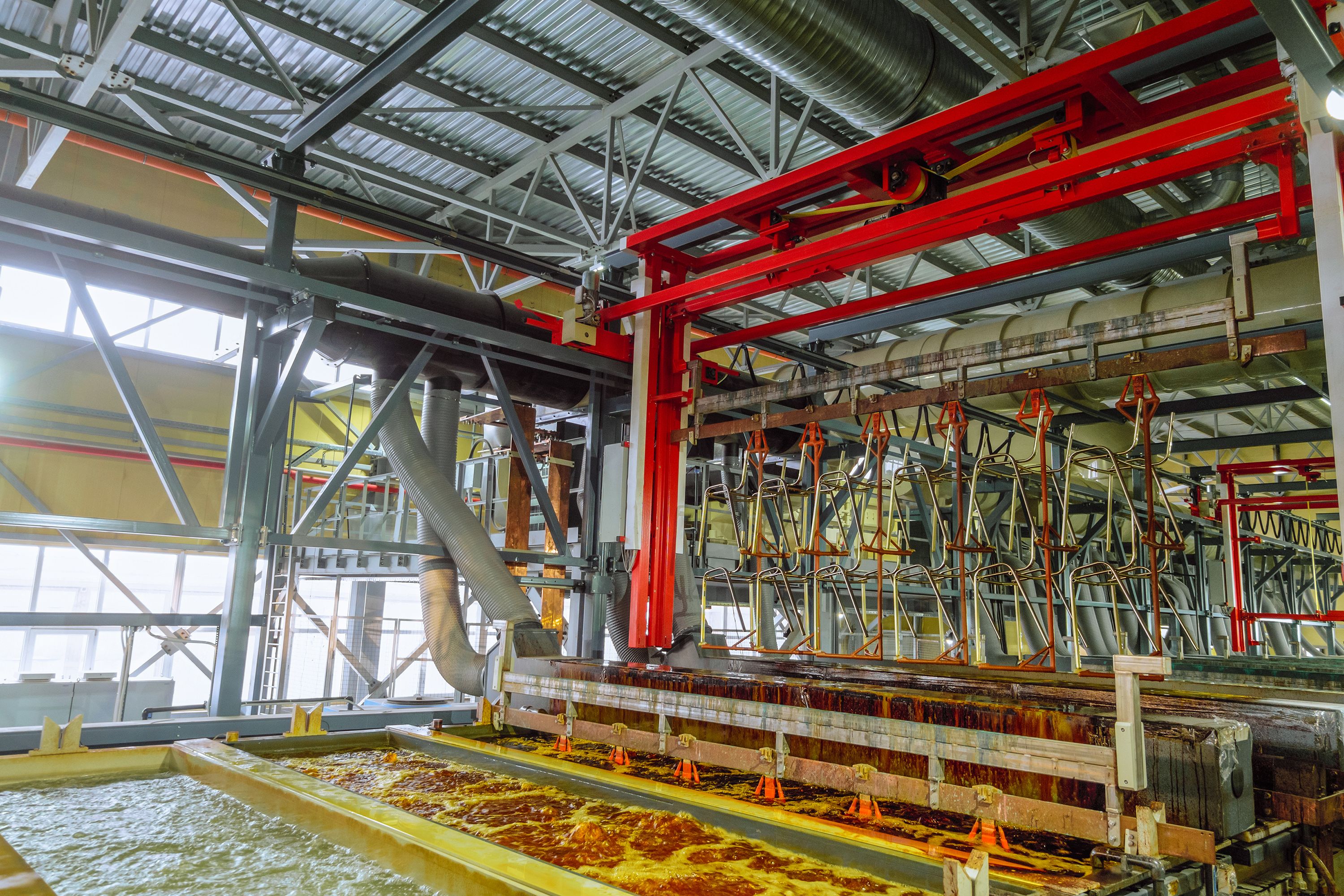
Understanding the process can help dispel further myths. Krom Kaplama involves several stages, including cleaning, plating, and polishing. Each step is crucial to achieving the desired finish and durability.
- Cleaning: The metal surface is thoroughly cleaned to remove any impurities.
- Plating: The item is immersed in a plating solution where chromium is deposited onto the surface.
- Polishing: The plated object is polished to achieve a bright, reflective finish.
Misconception 4: Krom Kaplama Is Suitable for All Metals
Not all metals are ideal candidates for Krom Kaplama. The process works best on certain substrates, such as steel, copper, and brass. Metals like aluminum may require additional pre-treatment steps to ensure proper adhesion.
Consulting with a professional can help determine the best approach for specific materials.
Conclusion
By debunking these common misconceptions, we gain a clearer understanding of Krom Kaplama and its numerous advantages. Whether for aesthetic appeal, durability, or corrosion resistance, chrome plating remains a valuable and versatile option in various industries.