Innovative Uses of 3D SCADA in Surface Treatment Systems


Revolutionizing Surface Treatment Systems with 3D SCADA
The integration of 3D SCADA systems in surface treatment processes is transforming the industry by enhancing visualization, control, and efficiency. As industries evolve, adopting advanced technologies like 3D SCADA can significantly improve operational capabilities and outcomes.
Enhanced Visualization and Monitoring
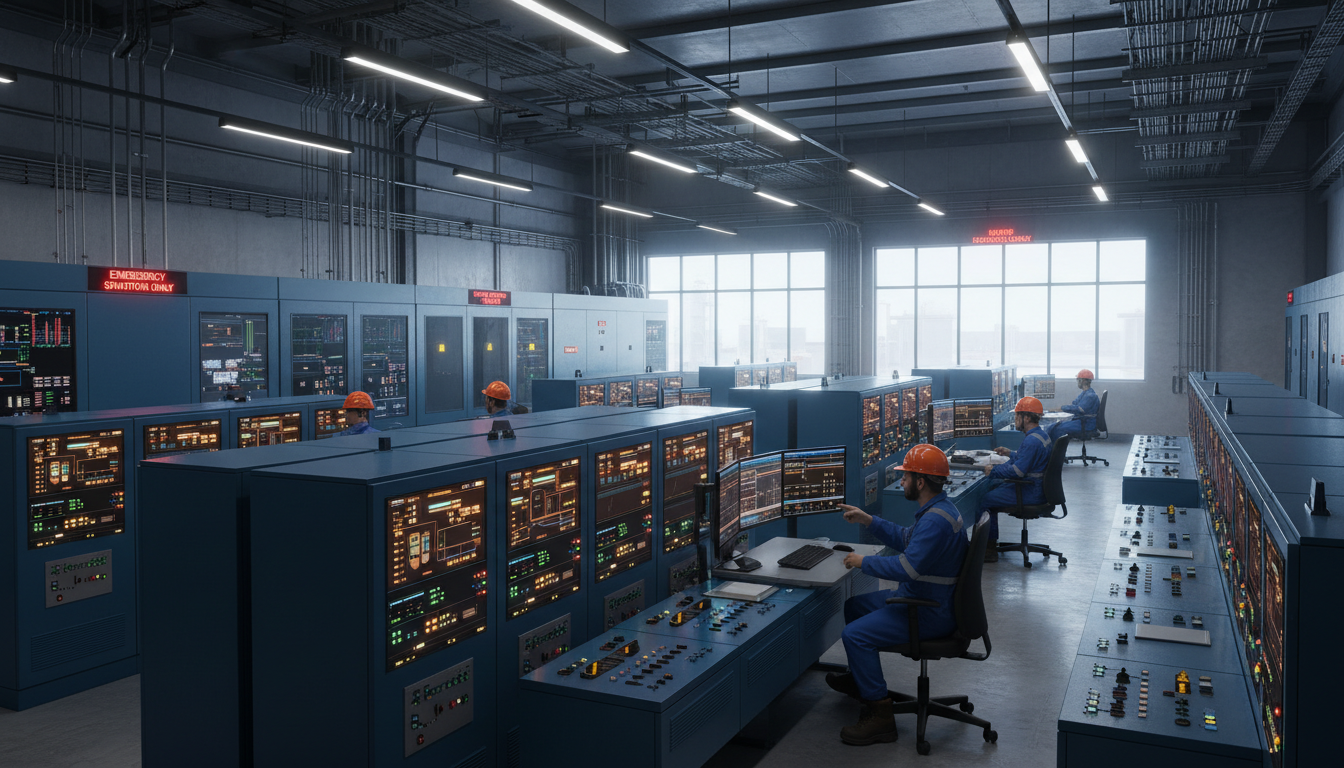
One of the most groundbreaking uses of 3D SCADA in surface treatment systems is its ability to provide an immersive visualization of operations. This allows operators to visualize the entire process in real-time, improving their ability to monitor and respond to issues swiftly. With 3D models, operators can view equipment and processes from multiple angles, providing a comprehensive understanding of system dynamics.
The enhanced visualization capabilities lead to better decision-making, as operators can easily identify bottlenecks or inefficiencies in the process. This level of detail is invaluable for maintaining optimal performance and ensuring high-quality surface treatment results.
Improved Operational Efficiency
3D SCADA systems contribute to increased operational efficiency by facilitating precise control over the surface treatment processes. Operators can simulate process changes and predict outcomes before implementation, reducing trial-and-error approaches and minimizing downtime.
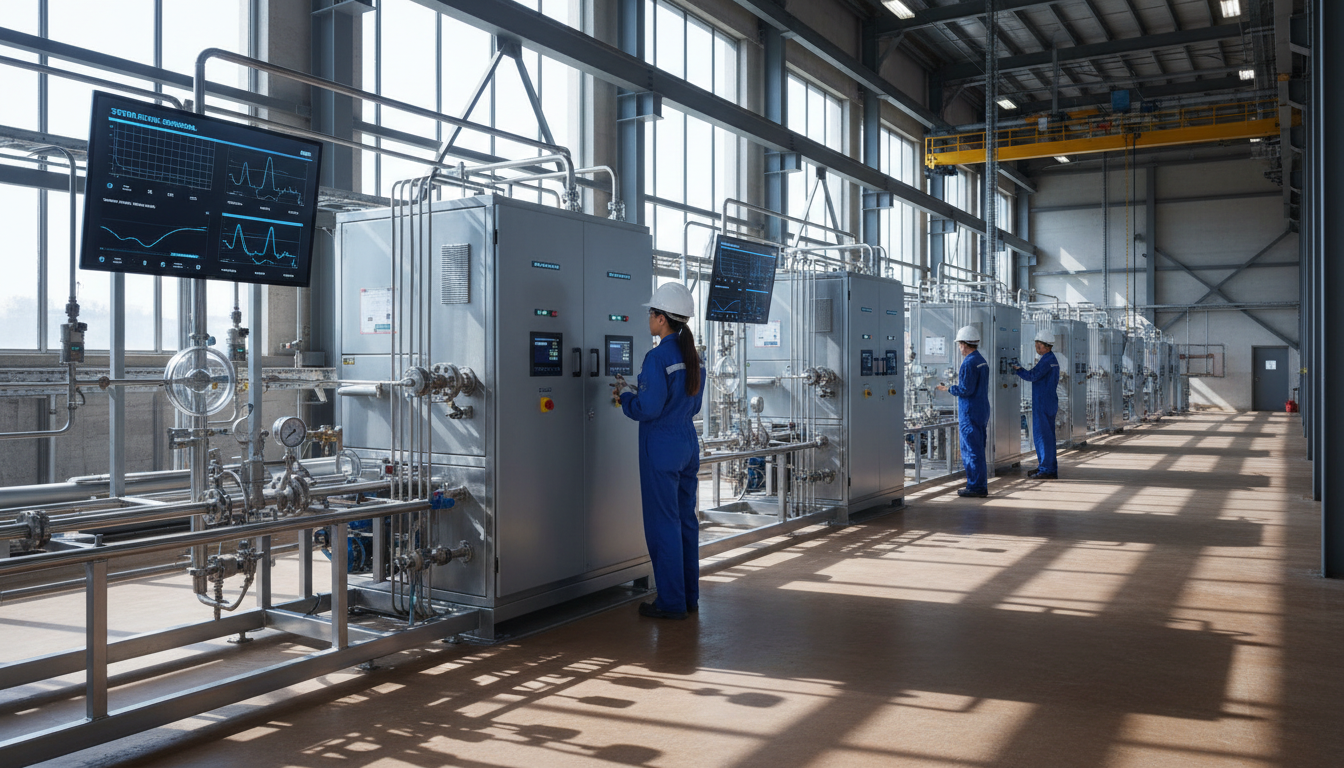
This predictive capability ensures that any alterations to the system are well-informed, leading to smoother operations and reduced operational costs. By providing real-time data and analytics, 3D SCADA systems help in maintaining consistent process quality, minimizing waste and resource consumption.
Enhanced Safety and Compliance
Safety is paramount in industrial operations, and 3D SCADA systems play a crucial role in enhancing workplace safety. By offering real-time monitoring and alerts, these systems help in identifying potential hazards and mitigating risks before they escalate. The ability to simulate emergency scenarios also aids in training and preparedness.

Moreover, 3D SCADA systems ensure compliance with industry standards and regulations by maintaining detailed records and documentation of all processes. This capability is essential for audits and certifications, providing peace of mind to operators and stakeholders alike.
Future Prospects and Developments
The future of 3D SCADA in surface treatment systems looks promising, with ongoing developments aimed at integrating artificial intelligence and machine learning. These advancements will further enhance system capabilities, providing predictive maintenance insights and optimizing processes autonomously.
As technology continues to evolve, the potential for 3D SCADA systems to revolutionize surface treatment processes becomes increasingly apparent. By embracing these innovations, industries can achieve unprecedented levels of efficiency, safety, and quality.