
Innovative Trends in Automation for Surface Treatment


In recent years, the field of surface treatment has experienced a significant transformation, driven by advances in automation technology. These innovations are paving the way for more efficient, precise, and environmentally friendly processes. In this blog post, we will explore some of the most exciting trends in automation for surface treatment and how they are reshaping the industry.
Robotic Surface Finishing
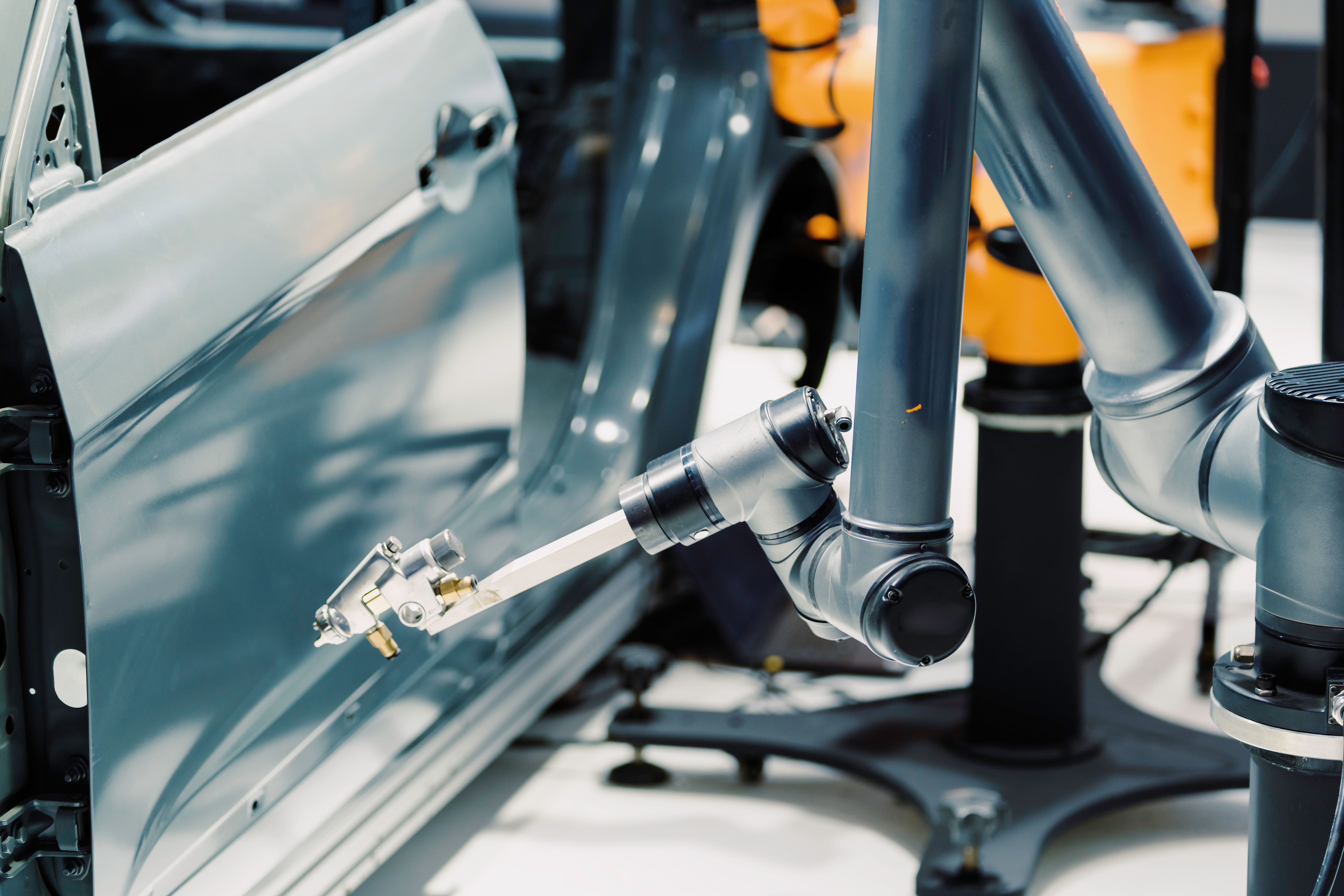
One of the most notable trends in surface treatment is the use of robotics for surface finishing tasks. Robots are being increasingly utilized for sanding, polishing, and coating applications. This not only improves the consistency and quality of the finish but also enhances safety by reducing human exposure to hazardous environments.
Robotic systems are equipped with advanced sensors and AI capabilities, allowing them to adapt to different surfaces and materials. This flexibility ensures that even complex geometries can be handled with precision. The result is a higher-quality finish and reduced waste, making the process more sustainable.
AI and Machine Learning
Artificial intelligence and machine learning are revolutionizing surface treatment by enabling predictive maintenance and process optimization. These technologies analyze vast amounts of data from sensors and cameras to predict equipment failures before they occur, reducing downtime and maintenance costs.
Moreover, AI-driven systems can optimize surface treatment parameters in real-time, ensuring that the process is always operating at peak efficiency. This leads to reduced energy consumption and improved resource utilization, contributing to more sustainable manufacturing practices.
Advanced Coating Technologies
Automation is also playing a crucial role in the development of advanced coating technologies. Automated systems can apply coatings with greater precision, ensuring uniform thickness and adherence. This is particularly important in industries where coating quality is critical, such as aerospace and automotive.

These systems can be programmed to handle a variety of coating materials, including those that are more environmentally friendly. The ability to switch between different coatings quickly and efficiently is a major advantage, as it allows manufacturers to meet diverse customer needs without significant downtime.
3D Printing Integration
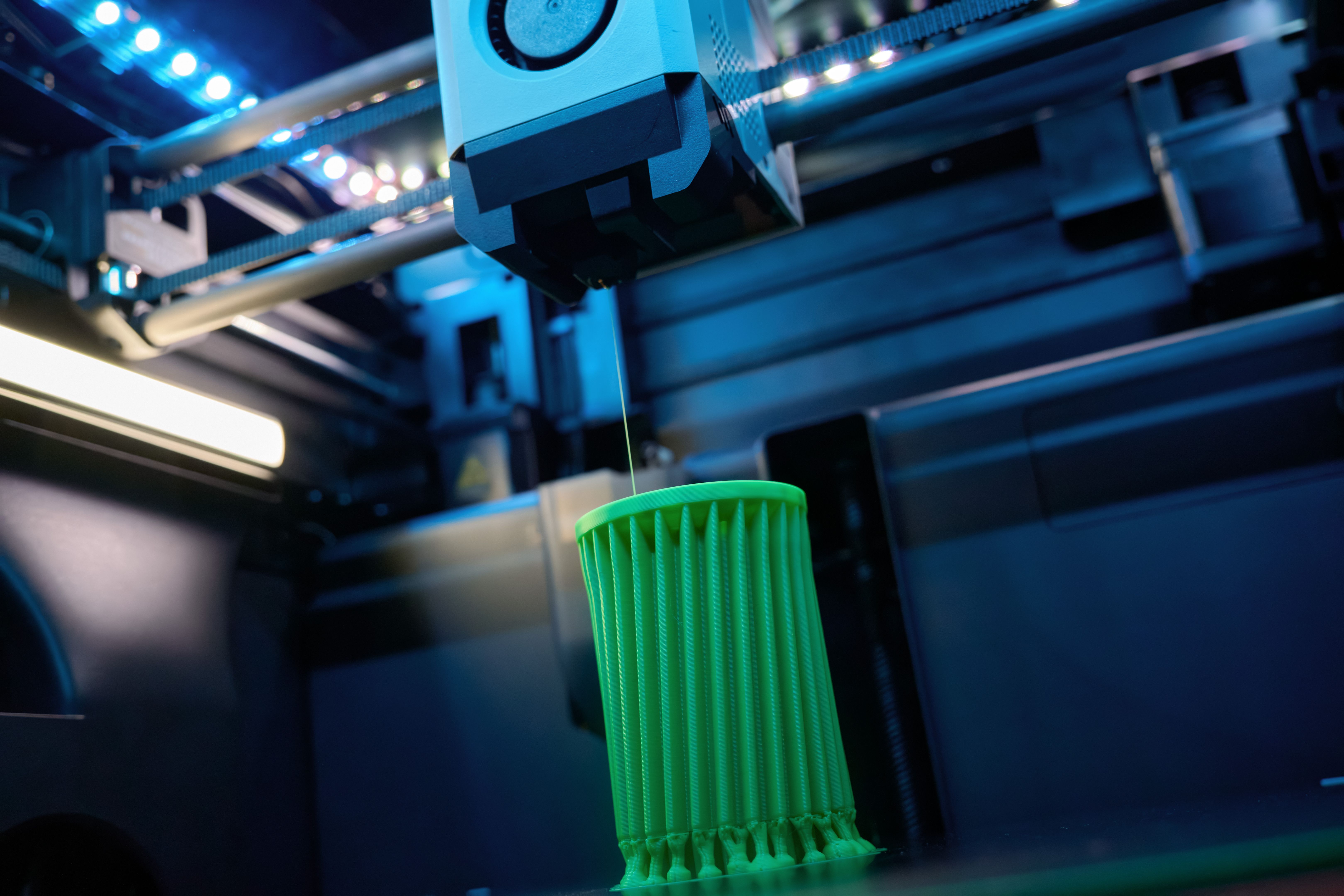
The integration of 3D printing with surface treatment processes is another innovative trend gaining traction. 3D printing allows for the creation of complex parts with integrated surface features that can be treated automatically during the printing process.
This integration simplifies the production process, reduces the need for additional handling, and ensures that parts are ready for use immediately after printing. The combination of 3D printing and automated surface treatment is opening new possibilities for customization and rapid prototyping.
Environmental Considerations
Automation in surface treatment is also helping to address environmental concerns. Automated systems minimize the use of hazardous chemicals and reduce waste through precise application techniques. This not only benefits the environment but also reduces costs associated with waste disposal and regulatory compliance.
Furthermore, energy-efficient machines and processes are becoming standard, driven by the demand for greener manufacturing practices. As a result, companies are able to reduce their carbon footprint while maintaining high levels of quality and productivity.
The Future of Surface Treatment
As automation technologies continue to evolve, the future of surface treatment looks promising. The integration of IoT, AI, and robotics is set to deliver even greater efficiencies and advancements. Companies that embrace these changes are likely to gain a competitive edge in an increasingly demanding market.
In conclusion, the innovative trends in automation for surface treatment are reshaping the industry. From robotic finishing to AI-driven optimization, these advancements are enabling more efficient, precise, and eco-friendly processes. The future holds exciting possibilities as technology continues to drive transformation.