
How to Prepare Your Electroplating System for Seasonal Changes


As the seasons change, it's crucial to ensure that your electroplating system is prepared to handle the new environmental conditions. Whether you're transitioning from the warm, humid days of summer to the crisp, cool air of fall, or vice versa, each season brings its own set of challenges that can affect your system's performance.
Understanding Seasonal Impacts
Each season can have a unique impact on your electroplating operations. Temperature fluctuations, humidity changes, and even the type of contaminants present in the air can alter the efficiency and quality of your plating process. Being proactive in addressing these changes can save both time and resources in the long run.
For instance, during colder months, the viscosity of plating solutions might increase, affecting deposition rates and uniformity. Conversely, warmer temperatures can accelerate evaporation rates, which may lead to concentration imbalances.
Inspection and Maintenance
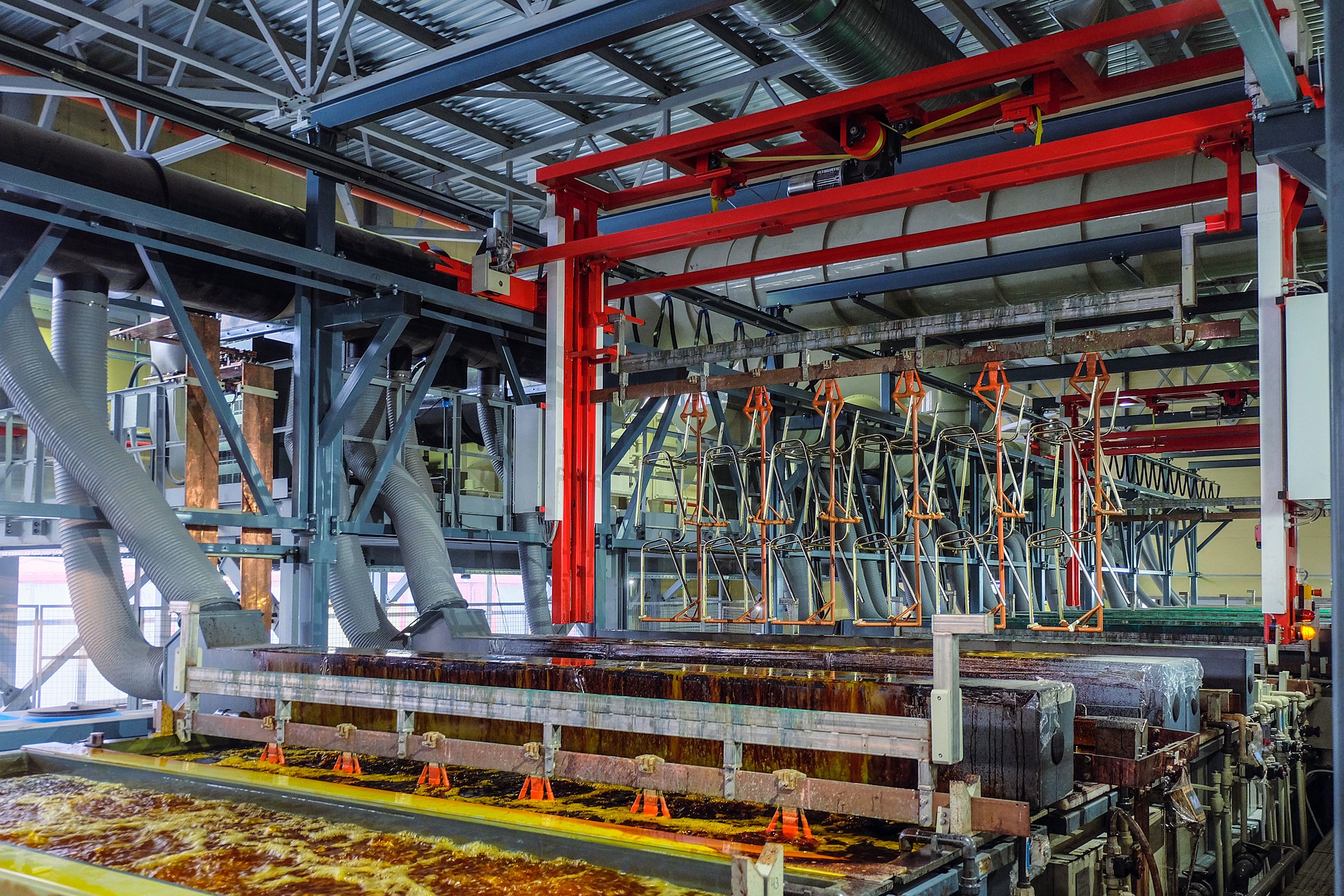
Regular inspection and maintenance are essential to keep your electroplating system running smoothly throughout the year. Start by conducting a thorough inspection of all equipment, including tanks, rectifiers, and filtration systems. Look for any signs of wear and tear or corrosion that might have been exacerbated by previous seasonal conditions.
Check Temperature Controls
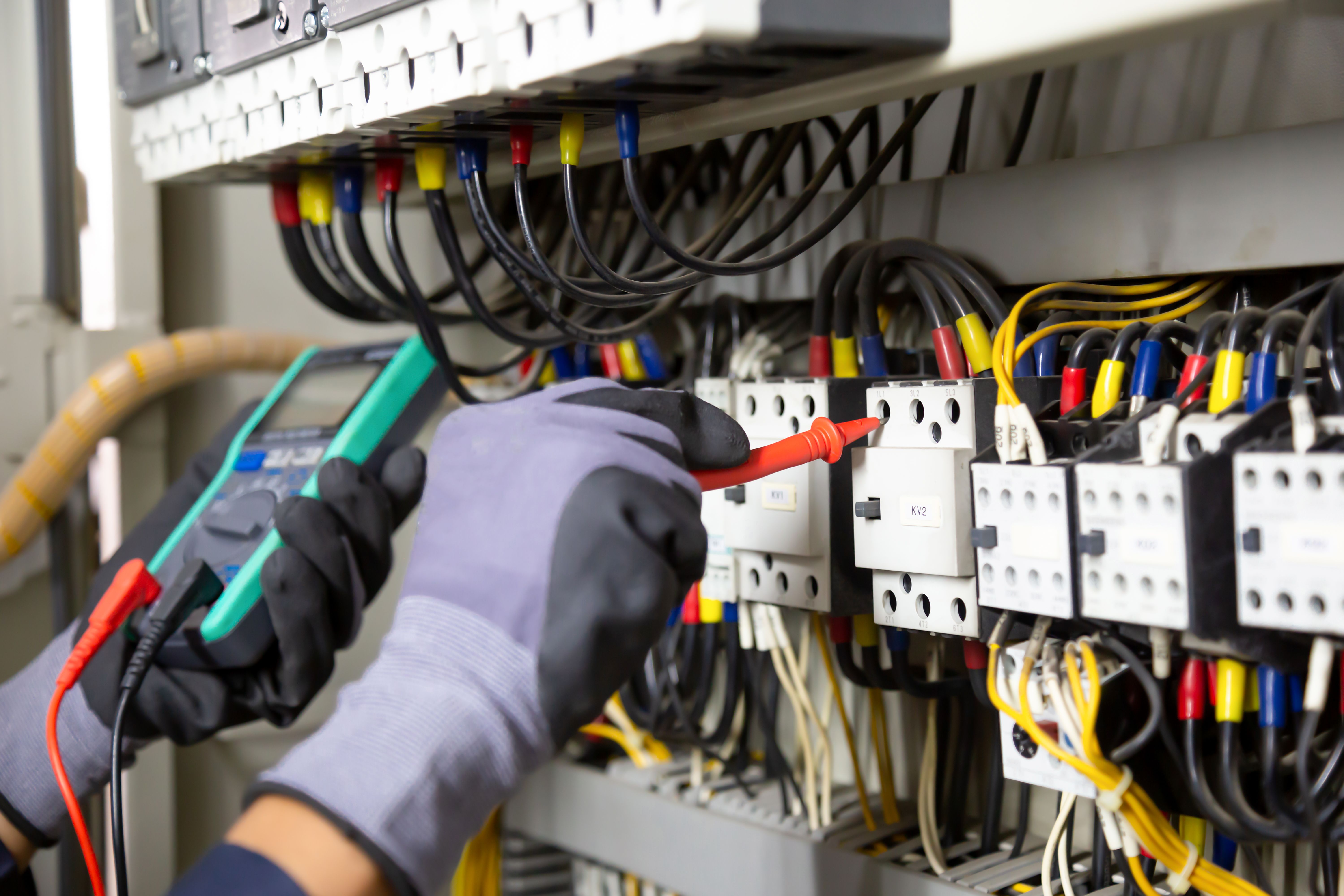
Ensure that your temperature controls are functioning correctly, as they play a critical role in maintaining the consistency of plating solutions. Calibrate thermostats and heaters to adjust for the upcoming season's temperature changes.
Update Filtration Systems
Changing filters and cleaning out any accumulated debris is vital for maintaining the quality of your electroplating solutions. Consider installing high-efficiency particulate air (HEPA) filters if your facility experiences significant airborne dust or contaminants.
Adjusting Chemical Parameters
As environmental conditions shift, so too should the chemical parameters of your electroplating solutions. Regularly test and adjust the pH, conductivity, and concentration levels of your solutions to account for seasonal variations.
Make use of automated dosing systems to ensure precise chemical adjustments, minimizing human error and maintaining optimal plating conditions.

Training and Safety
Safety is paramount in any industrial setting, and seasonal changes can introduce new hazards. Conduct training sessions to educate staff on any new safety protocols related to seasonal adjustments. This includes handling chemicals that might behave differently under varying temperatures.
Ensure that all safety equipment, such as eyewash stations and fire extinguishers, are fully operational and accessible. Regular drills can help staff remain prepared for any seasonal emergencies that may arise.

Monitoring and Evaluation
Finally, establish a robust monitoring system to evaluate the performance of your electroplating system throughout the season. Use data analytics to track changes in plating quality, efficiency, and output, allowing you to make informed decisions on any necessary adjustments.
Regularly review logs and reports to identify trends or issues that may have developed as a result of seasonal changes. This proactive approach will help maintain the integrity and quality of your electroplating operations year-round.