
How to Choose the Right Automation Solutions for Your Electroplating Facility


Understanding Your Electroplating Needs
Choosing the right automation solutions for your electroplating facility begins with a thorough understanding of your specific needs. Identify the areas where automation can enhance efficiency, reduce costs, and improve the quality of your operations. Consider factors such as production volume, the complexity of plating processes, and any existing equipment that might integrate with new solutions.
It's crucial to engage with key stakeholders, including production managers and technicians, to gather insights about operational bottlenecks and areas ripe for automation. This collaborative approach ensures that any solution you choose will be well-suited to your facility's unique requirements.
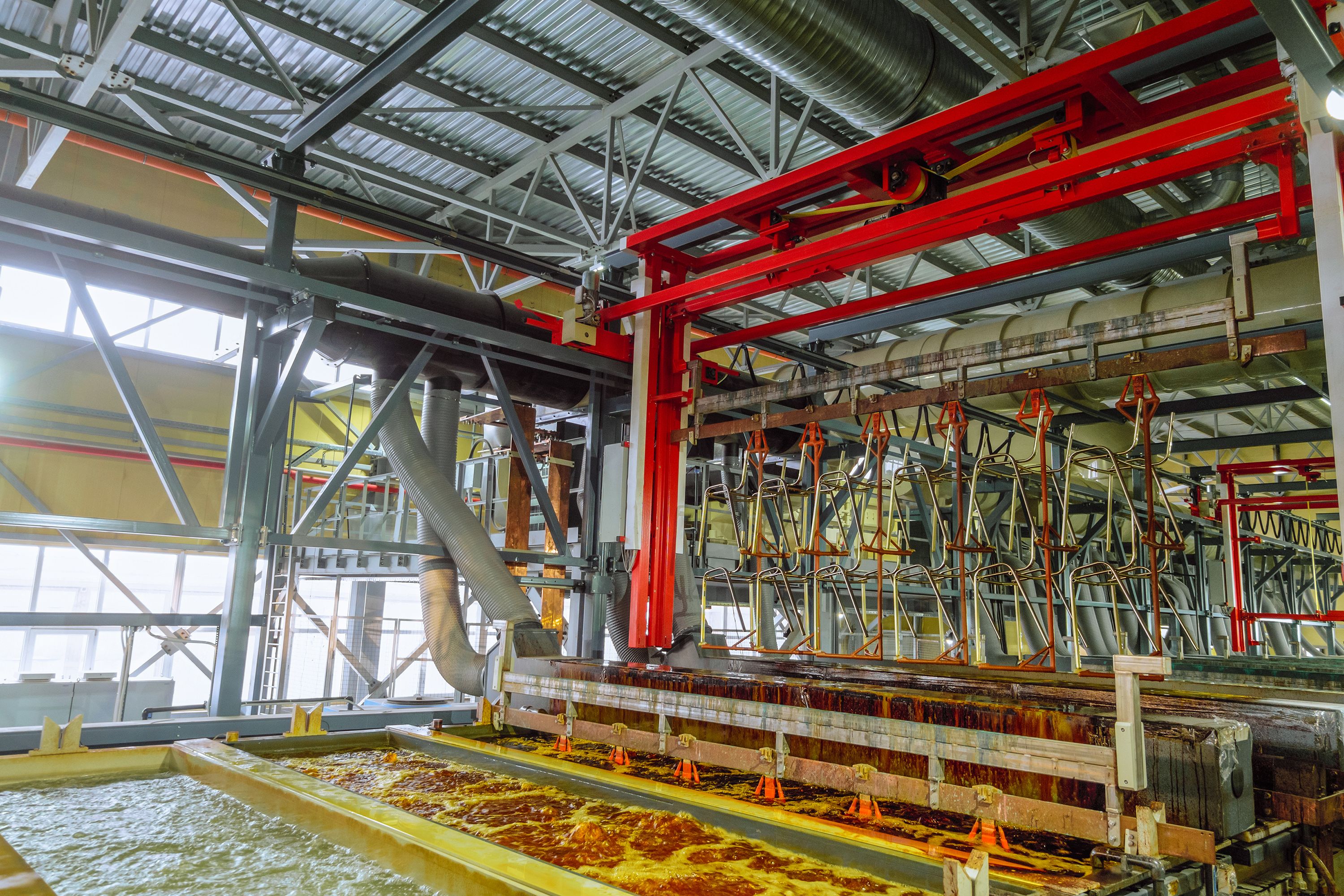
Evaluating Different Automation Technologies
Once you've identified your needs, it's time to evaluate the various automation technologies available. Common options include robotics, conveyor systems, and automated quality control systems. Each technology offers distinct advantages and may be more suitable for certain tasks than others.
For example, robotic arms can be ideal for handling repetitive tasks such as dipping and rinsing parts, while conveyor systems might be better suited for transporting items through different stages of the electroplating process. Automated quality control systems can ensure consistent product quality by detecting defects early in the process.

Considering Integration and Compatibility
When selecting automation solutions, it's essential to consider how well they will integrate with your existing systems. Compatibility is crucial to ensure a seamless transition and avoid costly disruptions. Check if the new technologies can easily connect with your current software and hardware infrastructure.
Additionally, think about scalability. As your business grows, you'll want solutions that can expand alongside your operations without requiring a complete overhaul. Choose vendors who offer flexible options that can accommodate future advancements or changes in your production line.
Budgeting and ROI Analysis
Budget is always a significant consideration when investing in new technologies. Develop a comprehensive budget that includes not only the initial purchase cost but also installation, training, and maintenance expenses. It's also wise to perform a return on investment (ROI) analysis to understand the long-term financial benefits of automating specific processes.
An effective ROI analysis considers factors such as labor cost savings, increased production capacity, and improved product quality. By quantifying these benefits, you can make an informed decision about which automation solutions offer the best value for your electroplating facility.

Vendor Selection and Support
Selecting the right vendor is as important as choosing the right technology. Look for vendors with a proven track record in the electroplating industry and who offer robust support services. Reliable vendors should provide installation assistance, training for your staff, and ongoing technical support to address any issues that may arise.
Before committing to a vendor, request case studies or testimonials from other businesses in your industry to gauge their satisfaction with the solutions provided. A vendor's willingness to tailor their offerings to meet your specific needs is also an essential factor to consider.
Pilot Testing and Implementation
Before fully implementing an automation solution, conduct a pilot test to evaluate its performance in a controlled setting. This step allows you to identify any potential issues and make necessary adjustments before a full-scale rollout. During pilot testing, gather feedback from employees who interact with the new systems to ensure user-friendliness and efficiency.
Once you've validated the solution's effectiveness during pilot testing, proceed with a phased implementation. A gradual approach minimizes disruptions and allows for smoother adaptation by your workforce.

Training and Change Management
The success of new automation solutions hinges on effective training and change management strategies. Ensure that all employees receive comprehensive training on how to operate new systems and understand their role in the automated process. This education should focus on both technical skills and safety protocols.
Additionally, communicate openly with your team about the benefits of automation and how it will enhance their work environment. Address any concerns about job security by highlighting opportunities for skill development and career advancement within the automated setting.
Continuous Evaluation and Improvement
After implementing automation solutions, continuous evaluation is crucial to ensure they continue to meet your facility's needs. Establish metrics to measure success, such as production output, defect rates, or downtime reduction. Regularly review these metrics to identify areas for further improvement or optimization.
Stay informed about emerging technologies in the electroplating industry that could enhance your operations further. By committing to ongoing evaluation and improvement, you can maintain a competitive edge while maximizing the benefits of your automation investments.