
How Automated Electroplating Processes Enhance Efficiency


Understanding Automated Electroplating Processes
Electroplating is a crucial process in various industries, providing a protective and decorative coating to metal surfaces. With the advent of automation, electroplating has seen significant improvements in efficiency, consistency, and quality. Automated electroplating processes involve the use of robotic systems and advanced software to manage the plating process with minimal human intervention.
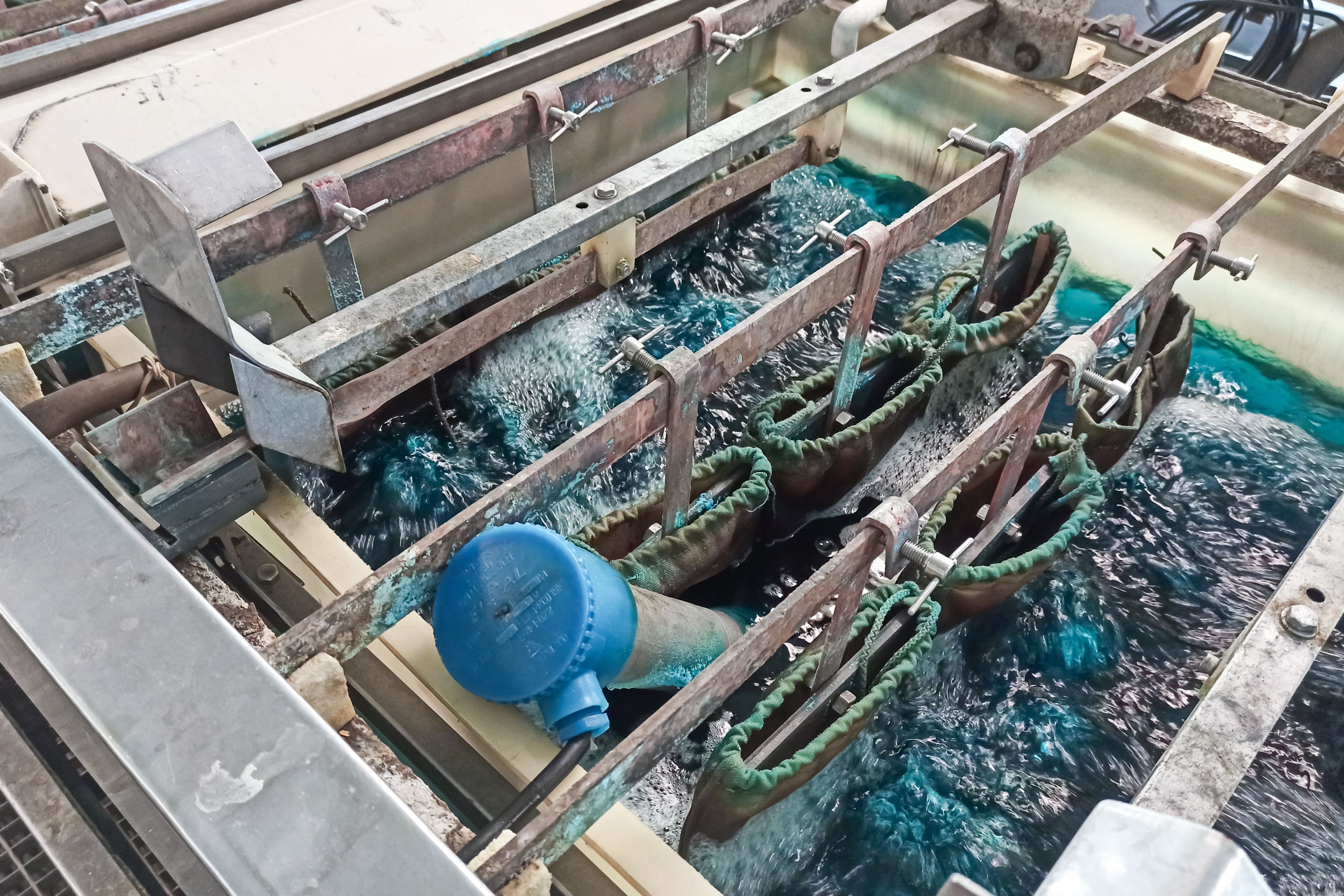
By incorporating automation, businesses can achieve a higher throughput and reduce the chances of human error. This leads to a more reliable production line, where the quality of the electroplated materials is consistently maintained.
Key Benefits of Automation in Electroplating
One of the primary advantages of automated electroplating is the enhancement of production efficiency. By using automated systems, companies can manage larger volumes of work without compromising on quality. Some of the key benefits include:
- Increased productivity: Automation allows for continuous operation, reducing downtime and increasing the output.
- Consistency and precision: Automated processes ensure that each component is coated uniformly, maintaining high standards across all products.
- Cost savings: By reducing labor costs and wastage, automation can significantly lower overall production expenses.
Technological Advances Driving Efficiency
Recent technological advancements have further enhanced the efficiency of automated electroplating processes. The integration of IoT devices allows for real-time monitoring and adjustments, ensuring optimal conditions are maintained throughout the plating process. Sensors can detect anomalies and trigger automatic corrections, minimizing defects and improving the quality of the final product.

Additionally, machine learning algorithms can optimize plating parameters based on historical data, continuously improving the process over time. This adaptive approach ensures that the electroplating procedure becomes more efficient and cost-effective with each iteration.
Environmental Considerations
Automated electroplating processes also offer environmental benefits. By precisely controlling chemical usage and minimizing waste, these systems can significantly reduce the environmental impact of electroplating. Automated systems are designed to recycle and reuse plating materials, further enhancing sustainability.
Implementing environmentally conscious practices not only complies with regulations but also supports a company's commitment to sustainability, which can be a significant factor in consumer decision-making.

Challenges and Considerations
Despite the numerous advantages, transitioning to automated electroplating systems requires careful planning and investment. Companies must consider the initial costs of setting up automated systems and ensure that their workforce is trained to operate and maintain these new technologies.
Furthermore, businesses need to stay updated with the latest technological advancements to fully leverage the benefits of automation. Regular upgrades and maintenance are essential to keep the systems running efficiently.
The Future of Electroplating
The future of electroplating lies in further automation and digitalization. As technology continues to evolve, we can expect even more sophisticated systems that integrate artificial intelligence and advanced robotics to enhance efficiency and precision. These innovations will likely drive the industry towards more sustainable and cost-effective practices.
As more companies adopt automated electroplating, the industry will continue to see improvements in quality, efficiency, and environmental responsibility, paving the way for a more innovative and sustainable future.