
How 3D SCADA Innovations are Transforming Surface Treatment Systems


Introduction to 3D SCADA in Surface Treatment
The integration of 3D Supervisory Control and Data Acquisition (SCADA) systems into surface treatment processes is revolutionizing the industry. By offering enhanced visualization and control capabilities, these innovations are streamlining operations and boosting efficiency. Understanding how 3D SCADA is transforming surface treatment systems can provide valuable insights into the future of manufacturing and production.

Enhanced Visualization and Monitoring
One of the most significant advantages of 3D SCADA systems is their ability to provide enhanced visualization. Traditional SCADA systems often rely on 2D graphical interfaces, which can be limiting. In contrast, 3D SCADA offers a more immersive experience, allowing operators to view the entire system in a realistic three-dimensional space. This improved visualization helps in faster identification of issues and more efficient system management.
Furthermore, 3D SCADA systems enable real-time monitoring of complex processes. By visualizing data in 3D, operators can better understand the spatial relationships and dynamics within the system, leading to more informed decision-making. This capability is particularly beneficial in surface treatment processes, where precision and timing are crucial.
Improved Operational Efficiency
The implementation of 3D SCADA in surface treatment systems results in improved operational efficiency. By offering a comprehensive view of the system, operators can optimize workflows and reduce downtime. The ability to simulate different scenarios in a 3D environment allows for better planning and resource allocation.
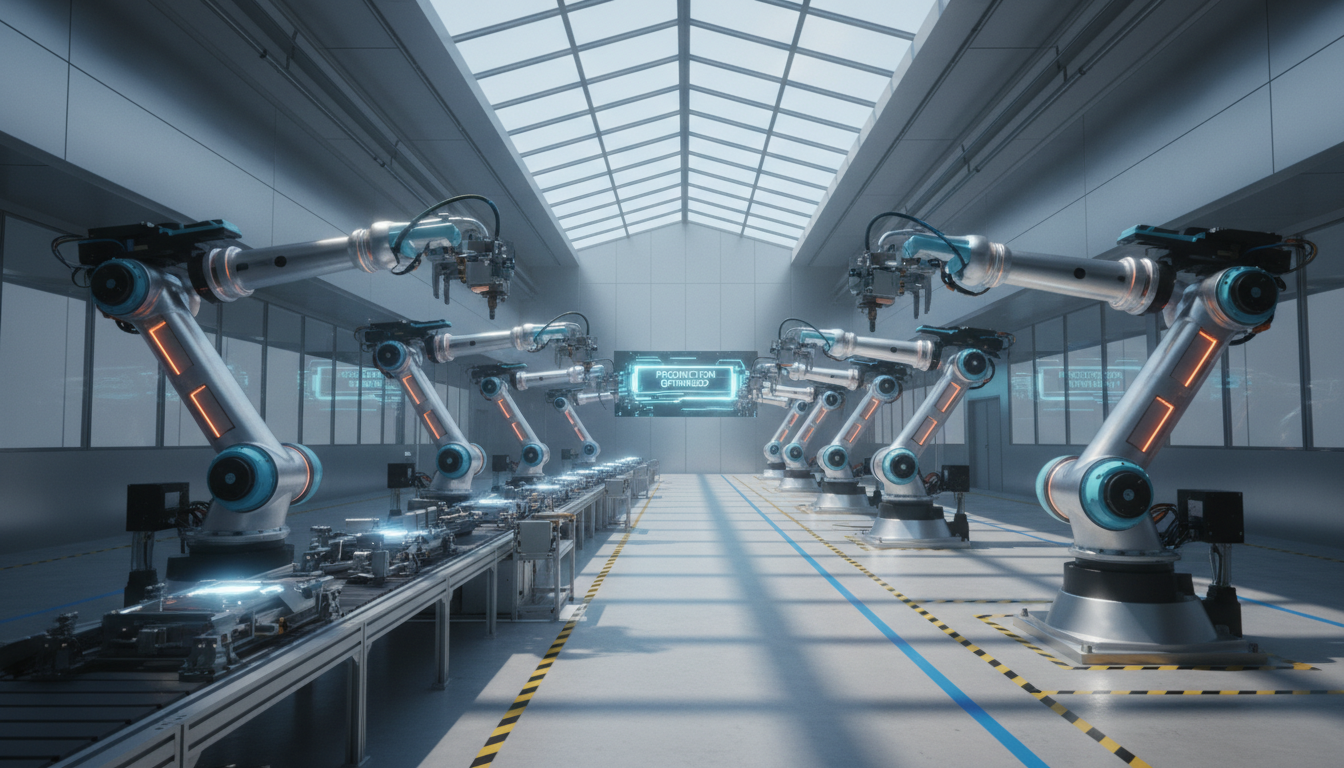
Moreover, 3D SCADA systems can integrate with other technologies, such as IoT devices and AI algorithms, to automate routine tasks and provide predictive maintenance alerts. This integration minimizes manual intervention and enhances the overall productivity of the surface treatment process.
Enhanced Safety and Compliance
Safety is a paramount concern in any industrial process, and 3D SCADA systems contribute significantly to enhancing safety protocols. By providing detailed visualizations, operators can identify potential hazards before they become critical issues. The real-time monitoring capabilities also ensure that any deviations from standard operating procedures are immediately detected and addressed.
Additionally, 3D SCADA systems assist in ensuring compliance with industry regulations. By maintaining accurate and comprehensive records of all operations, these systems facilitate audits and inspections, reducing the risk of non-compliance penalties.

Future Prospects and Innovations
The future of 3D SCADA in surface treatment systems looks promising, with continuous innovations on the horizon. As technology advances, we can expect even more sophisticated features, such as augmented reality interfaces and advanced data analytics. These developments will further enhance the capabilities of 3D SCADA, making surface treatment processes more efficient and reliable.
In conclusion, the integration of 3D SCADA systems into surface treatment systems is transforming the industry by enhancing visualization, improving operational efficiency, and ensuring safety and compliance. As these technologies continue to evolve, they will undoubtedly open new avenues for innovation and growth in the field of surface treatment.