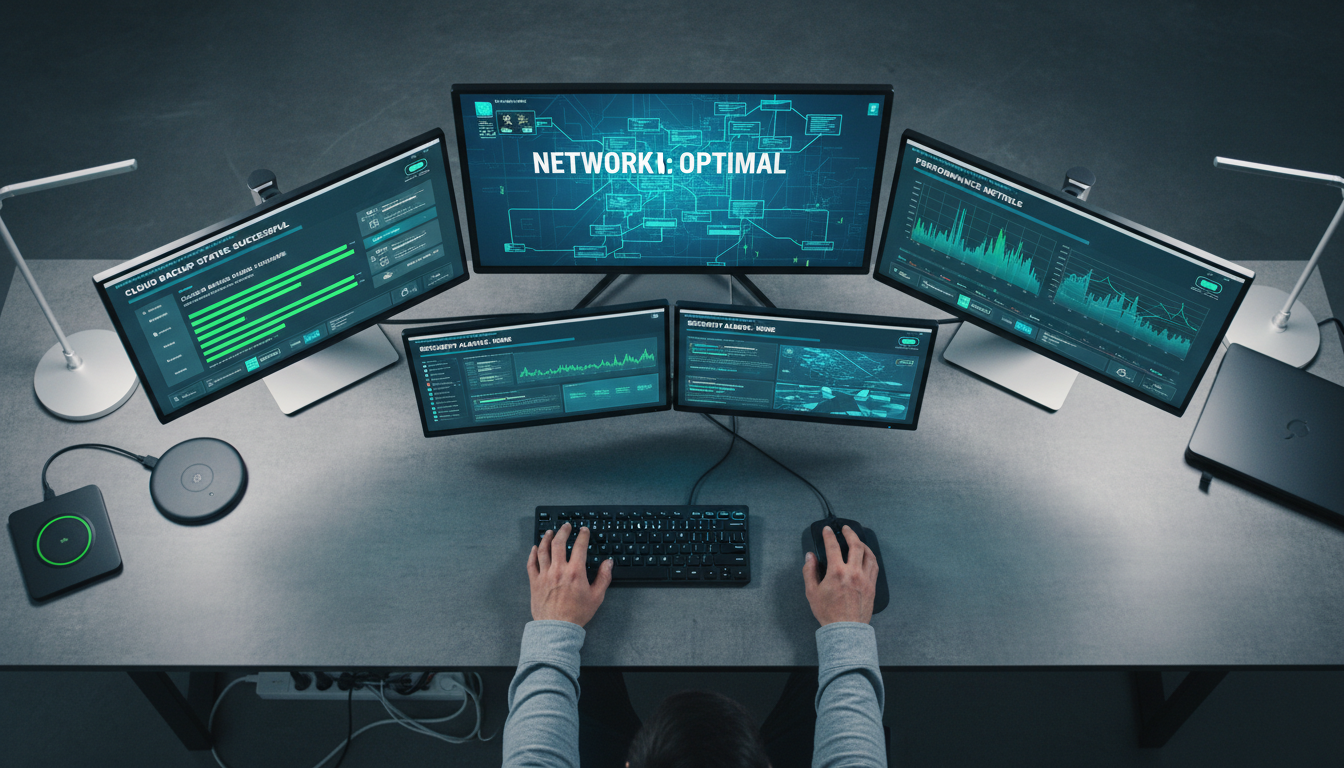
Expert Tips for Maintaining Automated Metal Plating Facilities


Understanding the Basics of Automated Metal Plating
Automated metal plating is a critical process in various industries, offering enhanced durability and aesthetic appeal to metal products. Ensuring the smooth operation of these facilities requires an understanding of both the machinery and the plating process itself. Proper maintenance is essential to prevent costly downtimes and to maintain product quality.
The automation in metal plating facilities includes complex systems that require regular checks and updates. These systems manage everything from material handling to the application of plating solutions. Understanding the nuances of these systems can significantly impact the efficiency of your operations.
Regular Maintenance Checks
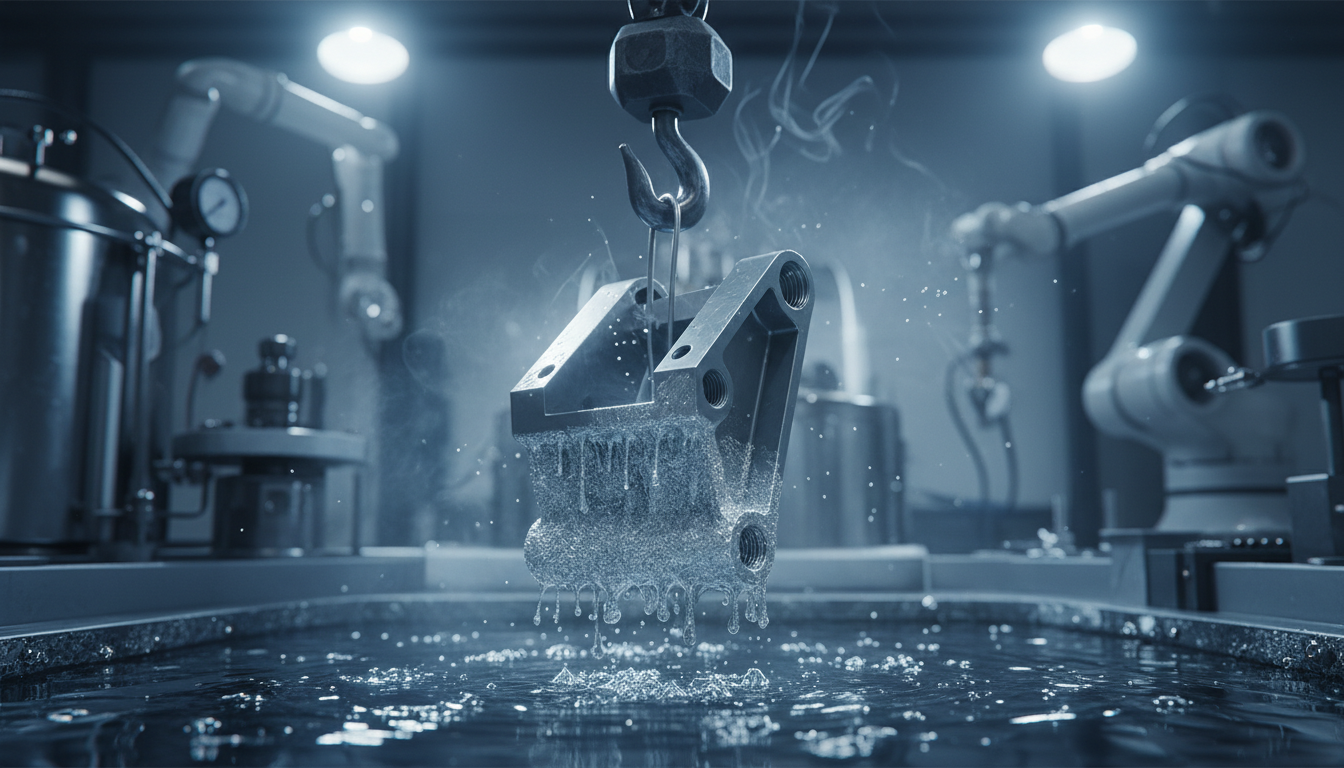
One of the most crucial aspects of maintaining automated metal plating facilities is conducting regular maintenance checks. These checks help identify any potential issues before they become significant problems. Maintenance should include inspecting the machinery, checking the alignment, and ensuring that the software is up-to-date.
It's important to develop a maintenance schedule that includes daily, weekly, and monthly tasks. This schedule should cover not only the mechanical components but also the electrical and software systems. Regular checks ensure that all parts are functioning correctly and help in prolonging the life of the equipment.
Daily Inspections
Daily inspections should focus on basic operational checks. Ensure that all equipment is clean and free from debris. Check for any unusual noises or vibrations that might indicate a problem. Also, verify that all safety systems are operational and that there are no leaks or spills.
Employee Training and Safety
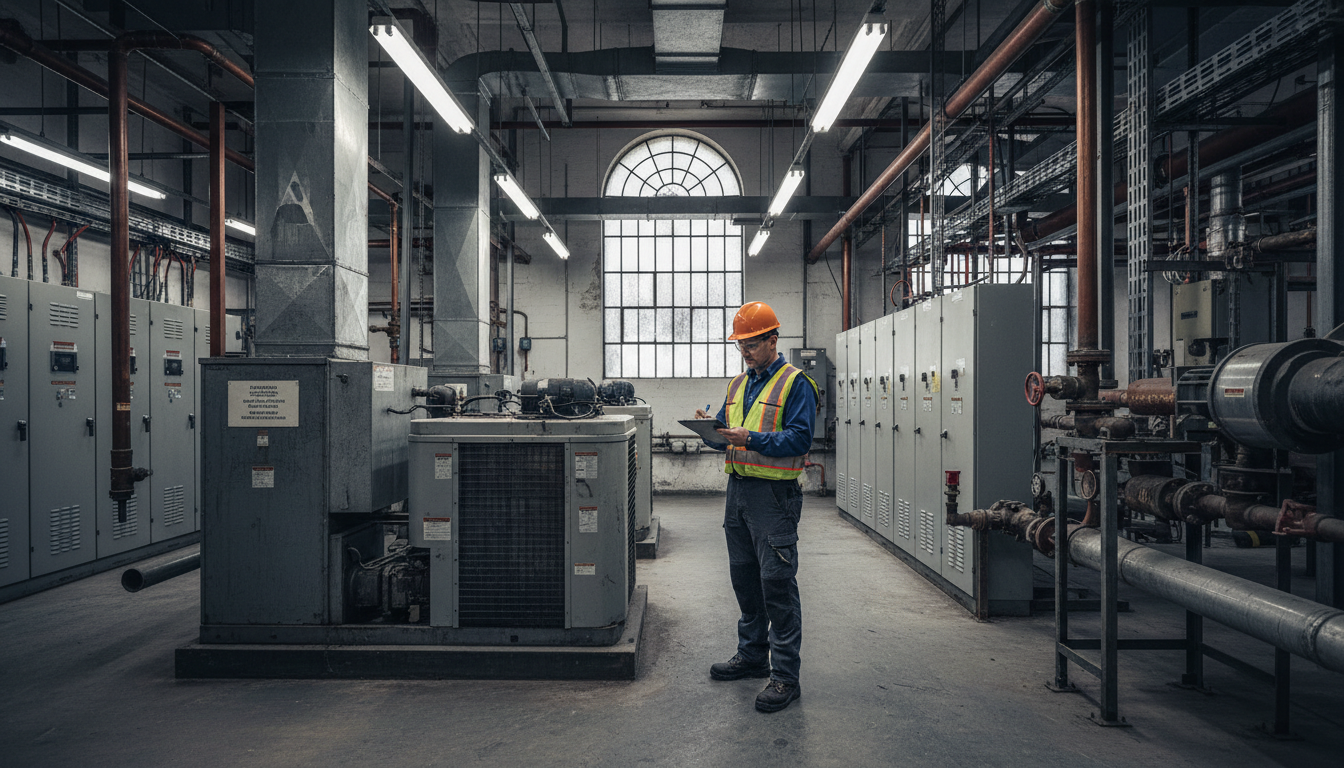
Another vital component in maintaining automated metal plating facilities is ensuring that all employees are well-trained. Employees should be knowledgeable about both the operation and the maintenance of the equipment. Regular training sessions can help keep everyone updated on the latest procedures and safety protocols.
Safety should always be a top priority. Implementing strict safety guidelines and ensuring that all employees adhere to them can prevent accidents and injuries. This includes wearing appropriate protective gear and understanding emergency shutdown procedures.
Monitoring and Diagnostics
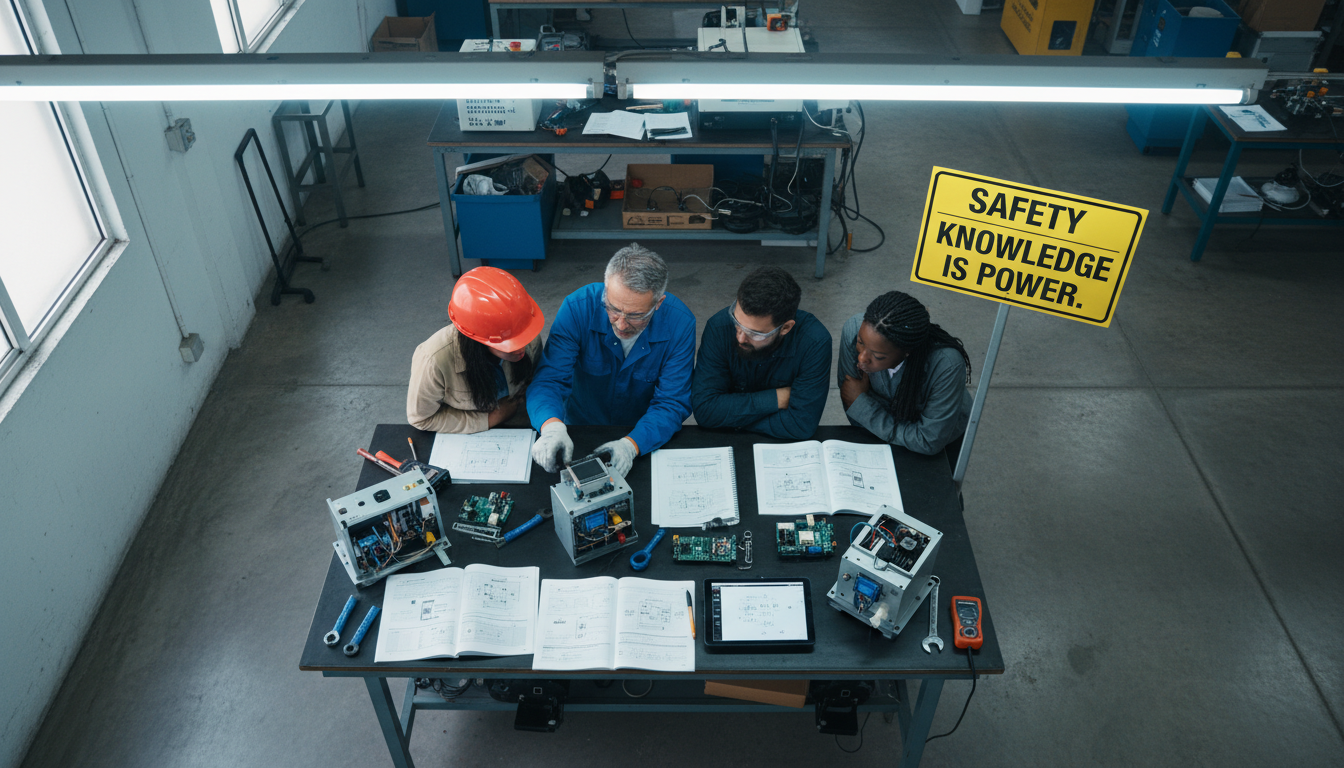
Utilizing advanced monitoring and diagnostic tools can significantly enhance the maintenance process. These tools can provide real-time data on equipment performance and help in identifying potential issues early. By leveraging technology, you can improve efficiency and reduce the risk of unexpected breakdowns.
Consider investing in sensors and automated diagnostic systems that continually monitor the equipment. These systems can alert you to any deviations from normal operating conditions, allowing for prompt corrective actions.
Data Analysis
Analyzing the data collected from monitoring systems is essential for predictive maintenance. By understanding patterns and identifying trends, you can make informed decisions on when to perform maintenance tasks. This proactive approach can lead to significant cost savings and improved operational efficiency.