
Expert Tips: Enhancing Efficiency in Surface Treatment Processes


Understanding the Basics of Surface Treatment Processes
Surface treatment processes are essential in enhancing the durability, appearance, and functionality of various materials. From metals to plastics, the right treatment can significantly impact the end product's quality. Whether you're dealing with anodizing, plating, or painting, understanding the basics is crucial for achieving optimal results.
One of the primary goals is to improve surface characteristics such as hardness, corrosion resistance, and aesthetic appeal. Each method has its own set of requirements and challenges, making it essential to choose the right process for your specific application.
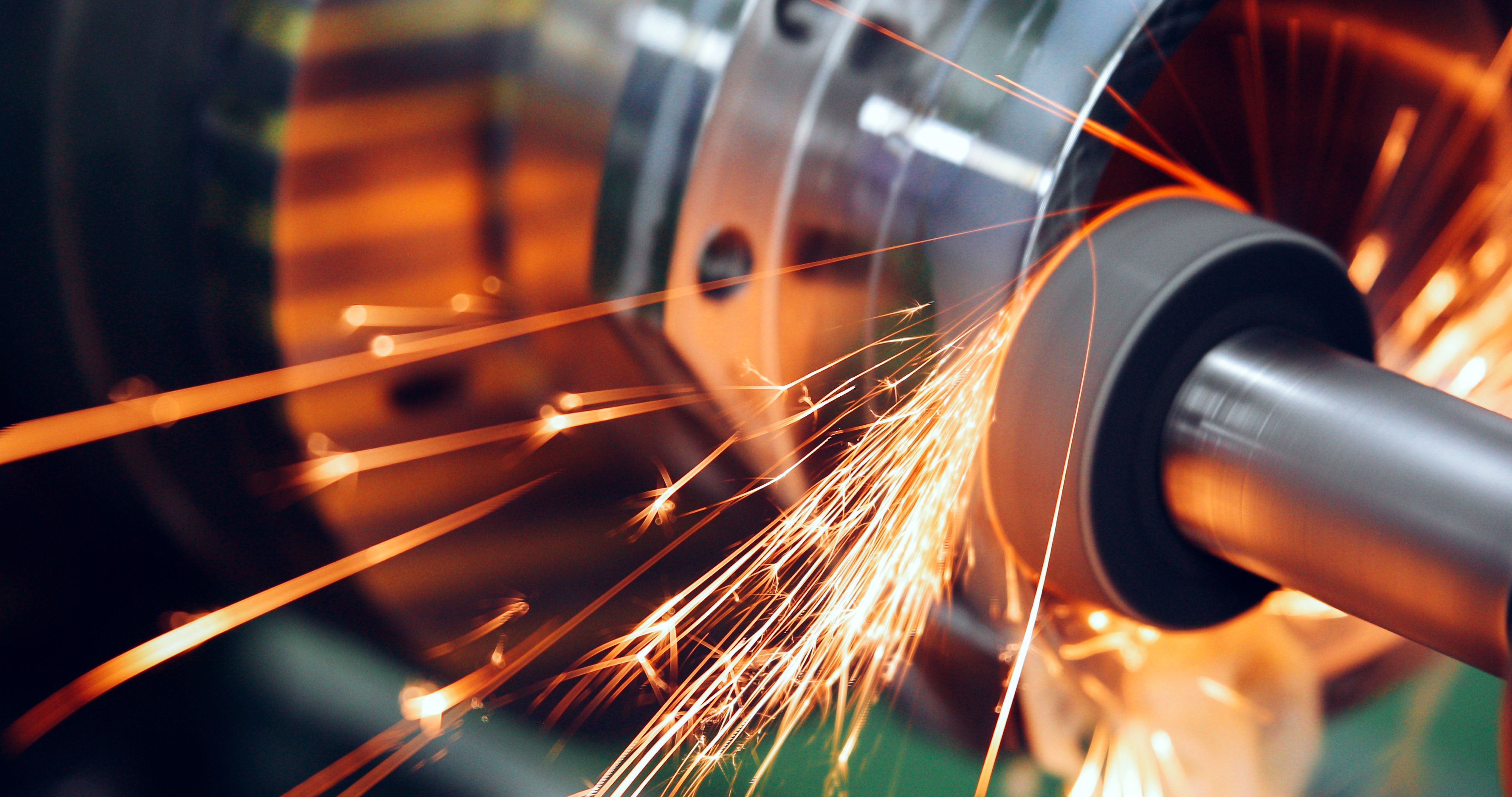
Streamlining Production for Better Efficiency
Increasing efficiency in surface treatment processes can lead to reduced costs and improved product quality. Start by analyzing your current workflow to identify bottlenecks or areas for improvement. Consider implementing automation where possible, as it can significantly reduce the time and labor required for repetitive tasks.
Investing in high-quality equipment and regular maintenance can also enhance efficiency. Well-maintained machinery operates at optimal levels, reducing the likelihood of unexpected downtime and ensuring consistent results. Regular training for employees on the latest techniques and safety protocols can further streamline operations.
The Role of Quality Control
Quality control is a vital component of efficient surface treatment processes. By establishing stringent quality checks at various stages, you can catch potential issues early and prevent costly reworks or defects. Implementing a robust quality management system helps maintain high standards and meets customer expectations consistently.

Optimizing Material Usage
Efficient material usage not only saves costs but also reduces environmental impact. Start by evaluating your material consumption patterns and identifying areas where waste can be minimized. Using techniques like just-in-time inventory can help in reducing excess material storage and associated costs.
- Recycle and reuse materials wherever possible.
- Implement precision application techniques to reduce overspray and waste.
- Continuously monitor usage to identify areas for improvement.
Leveraging Technology for Process Improvement
Embracing technology can significantly enhance the efficiency of surface treatment processes. Advanced software solutions can help in monitoring production lines, predicting maintenance needs, and optimizing resource allocation. Implementing smart sensors and IoT devices can provide real-time data, allowing for proactive decision-making.

Ensuring Environmental Compliance
Adhering to environmental regulations is not only a legal requirement but also a key aspect of sustainable operations. Ensure that your processes comply with the latest standards by regularly reviewing and updating your protocols. Invest in eco-friendly treatments and waste management solutions to minimize your ecological footprint.
By focusing on efficiency and sustainability, businesses can not only enhance their surface treatment processes but also contribute to a greener future.