
Expert Insights: Future Trends in Automation for Electroplating


Introduction
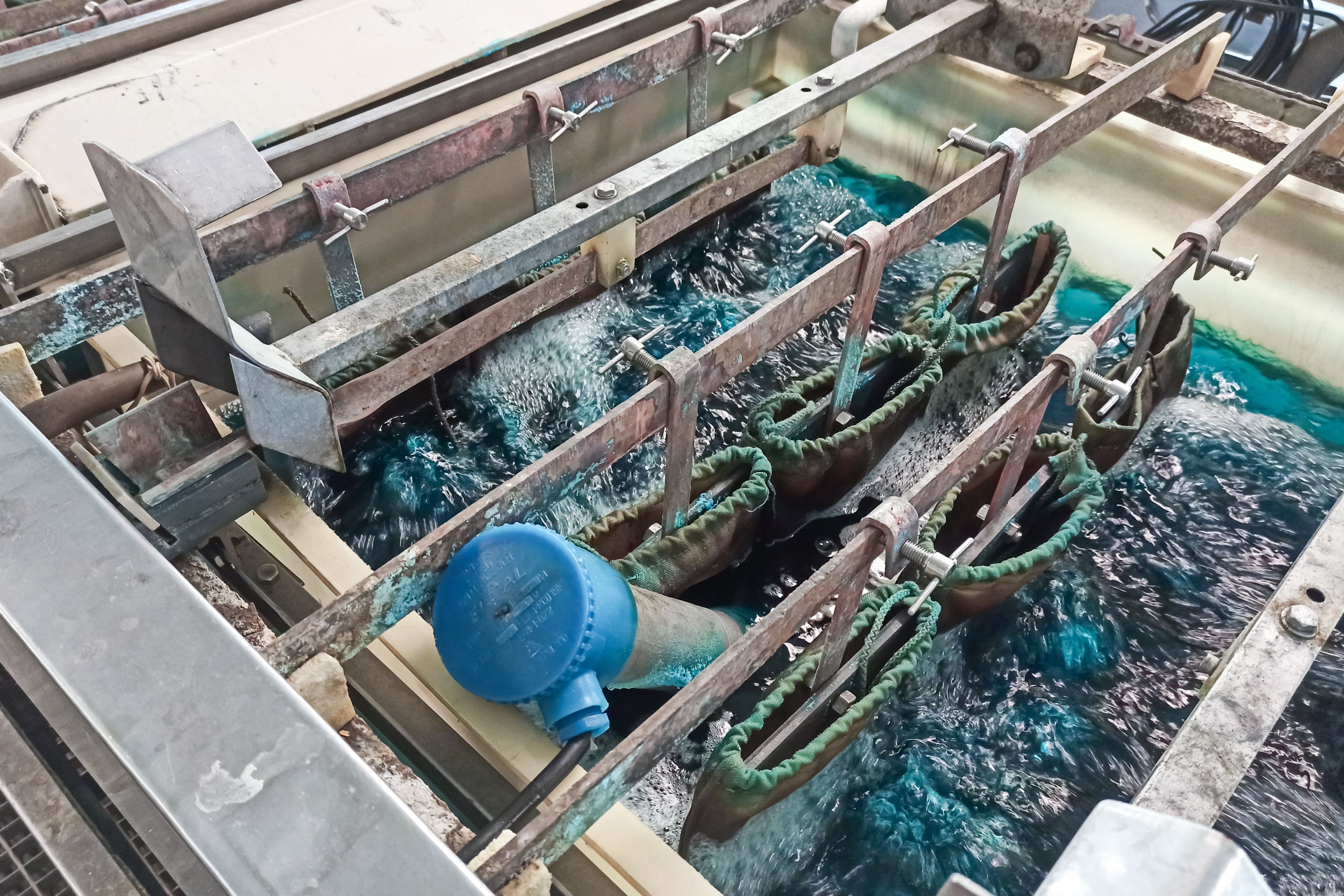
The electroplating industry is on the brink of a significant transformation, driven by advancements in automation technology. As manufacturers seek to enhance efficiency and reduce environmental impact, automation presents a promising avenue. This blog post explores expert insights into the future trends in automation for electroplating.
Increased Efficiency with Robotics
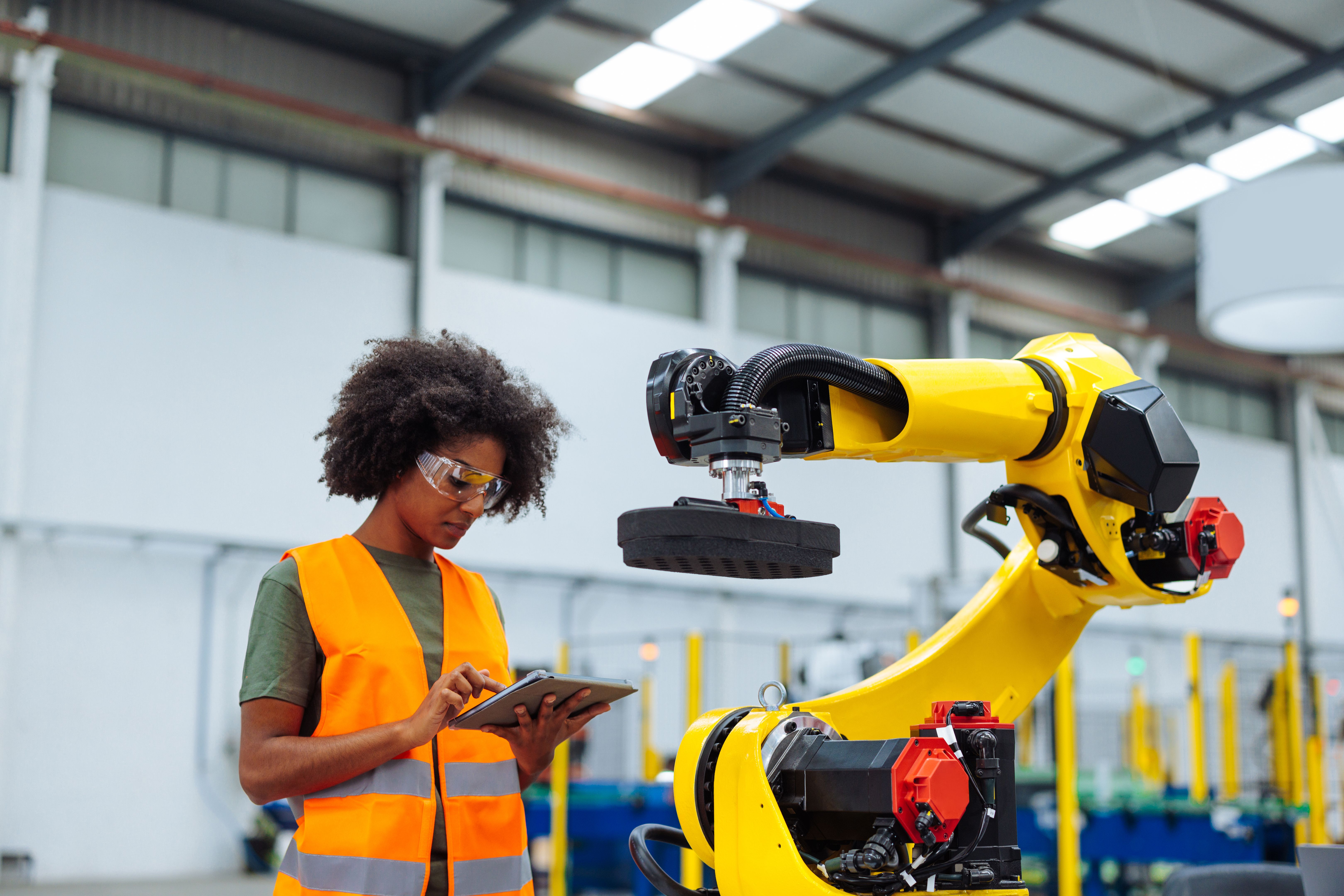
One of the most anticipated trends is the integration of robotics in electroplating processes. Robots offer precision and consistency, reducing human error and increasing throughput. By automating repetitive tasks, companies can allocate human resources to more complex roles, enhancing overall productivity. Additionally, robotics can handle hazardous materials with ease, improving workplace safety.
Cost Reduction
Automation in electroplating not only boosts efficiency but also significantly cuts costs. By reducing waste and optimizing the use of materials, companies can lower operational expenses. Initial investments in automation technology may be substantial, but the long-term savings and increased output justify the expenditure.
Advanced Monitoring and Quality Control
The future of electroplating automation is also marked by the implementation of advanced monitoring systems. These systems utilize sensors and IoT technology to continuously track process parameters, ensuring that quality standards are consistently met. Real-time data collection and analysis enable quick adjustments, minimizing defects and enhancing product quality.
Data-Driven Decision Making
Data analytics is becoming a cornerstone of modern electroplating operations. By leveraging big data, companies can gain insights into process efficiencies, predict maintenance needs, and identify areas for improvement. This data-driven approach facilitates proactive decision-making, leading to more efficient and reliable production cycles.

Environmental Sustainability
As environmental regulations become stricter, the electroplating industry is turning to automation to achieve sustainability goals. Automated systems can optimize the use of chemicals and energy, reducing waste and emissions. Moreover, closed-loop systems can recycle water and materials, further minimizing the environmental footprint.
Compliance and Innovation
Automation helps businesses stay compliant with environmental standards while driving innovation. By embracing sustainable practices, companies not only meet regulatory requirements but also appeal to eco-conscious consumers. This dual benefit strengthens brand reputation and fosters long-term growth.
Conclusion
The future of electroplating is undoubtedly intertwined with automation. From increased efficiency and cost reduction to enhanced quality control and sustainability, automation is poised to revolutionize the industry. By staying ahead of these trends, companies can maintain a competitive edge and drive continuous improvement.