
E-coat vs. Traditional Coating: Which is Right for Your Plant?


When it comes to choosing the right coating process for your manufacturing plant, the decision often narrows down to E-coat and traditional coating methods. Both techniques offer unique benefits and challenges, making the decision pivotal for your plant's efficiency and product quality.
Understanding E-coating
E-coating, also known as electrocoating, is a process that uses electrical current to deposit paint onto a surface. It’s renowned for its ability to provide a uniform coating, even on complex shapes and hard-to-reach areas. This method is highly efficient and environmentally friendly, often resulting in lower waste and emissions compared to traditional methods.
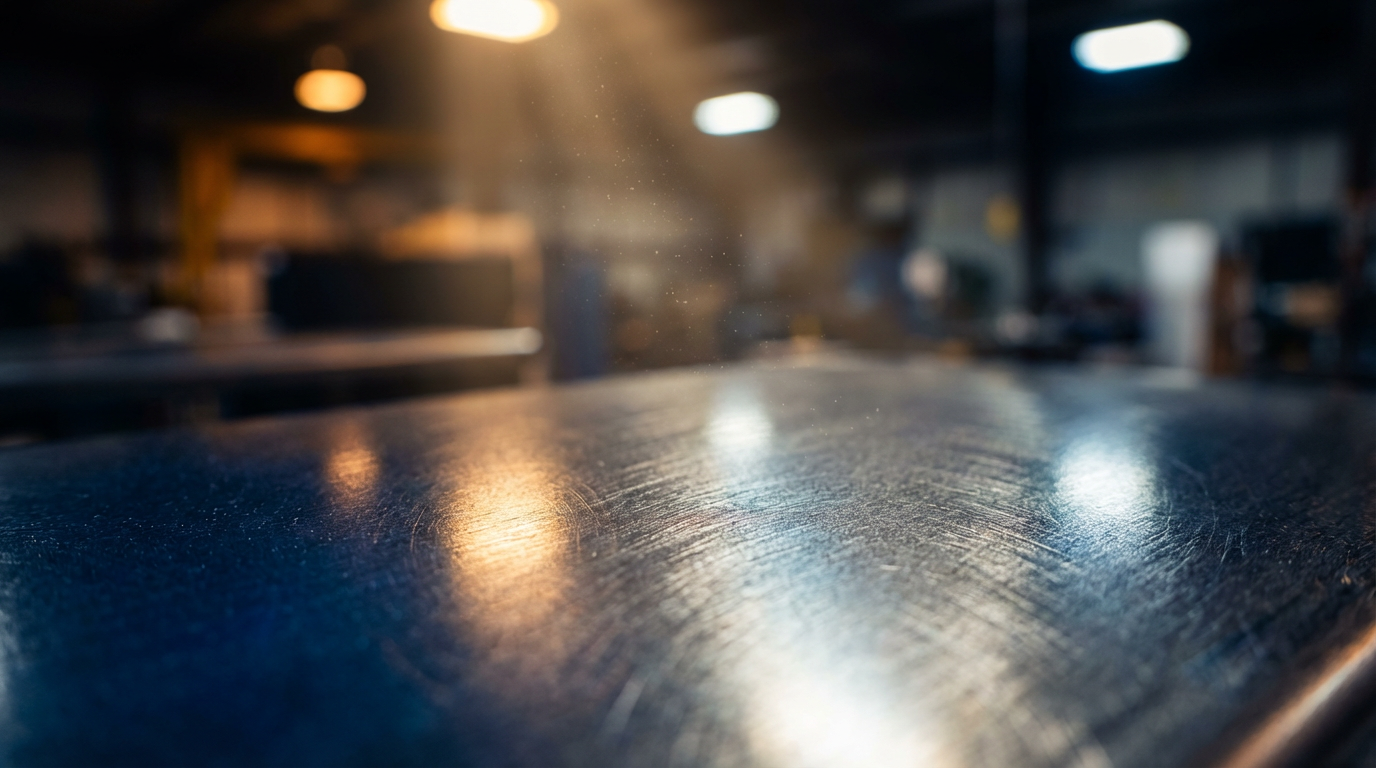
The E-coat process is especially beneficial for industries requiring high corrosion resistance, such as automotive and appliance manufacturing. Its ability to penetrate recesses and coat intricate assemblies makes it an ideal choice for complex parts.
Advantages of E-coat
E-coating offers numerous advantages, including:
- Uniform Coverage: Ensures even coating thickness across the entire part.
- Superior Corrosion Resistance: Provides excellent protection against rust and corrosion.
- Eco-Friendly: Reduces waste and emissions, aligning with sustainable practices.
Exploring Traditional Coating Methods
Traditional coating methods, such as powder coating and liquid painting, have been used for decades across various industries. These methods are often chosen for their versatility and ability to produce a wide range of finishes and appearances.

Powder coating, for instance, involves applying a dry powder to a surface which is then cured under heat. This method is known for its durability and robust finish, making it suitable for outdoor applications and environments with high wear and tear.
Advantages of Traditional Coatings
Some benefits of traditional coating methods include:
- Versatility: Offers a variety of finishes from matte to glossy.
- Durability: Provides a tough, resistant surface ideal for heavy-duty applications.
- Cost-Effective: Often has lower initial setup costs compared to E-coating.
Factors to Consider
When deciding between E-coat and traditional coating, consider the specific needs of your plant. Factors such as the type of materials you’re working with, the desired finish, environmental impact, and budget constraints will all influence your decision.
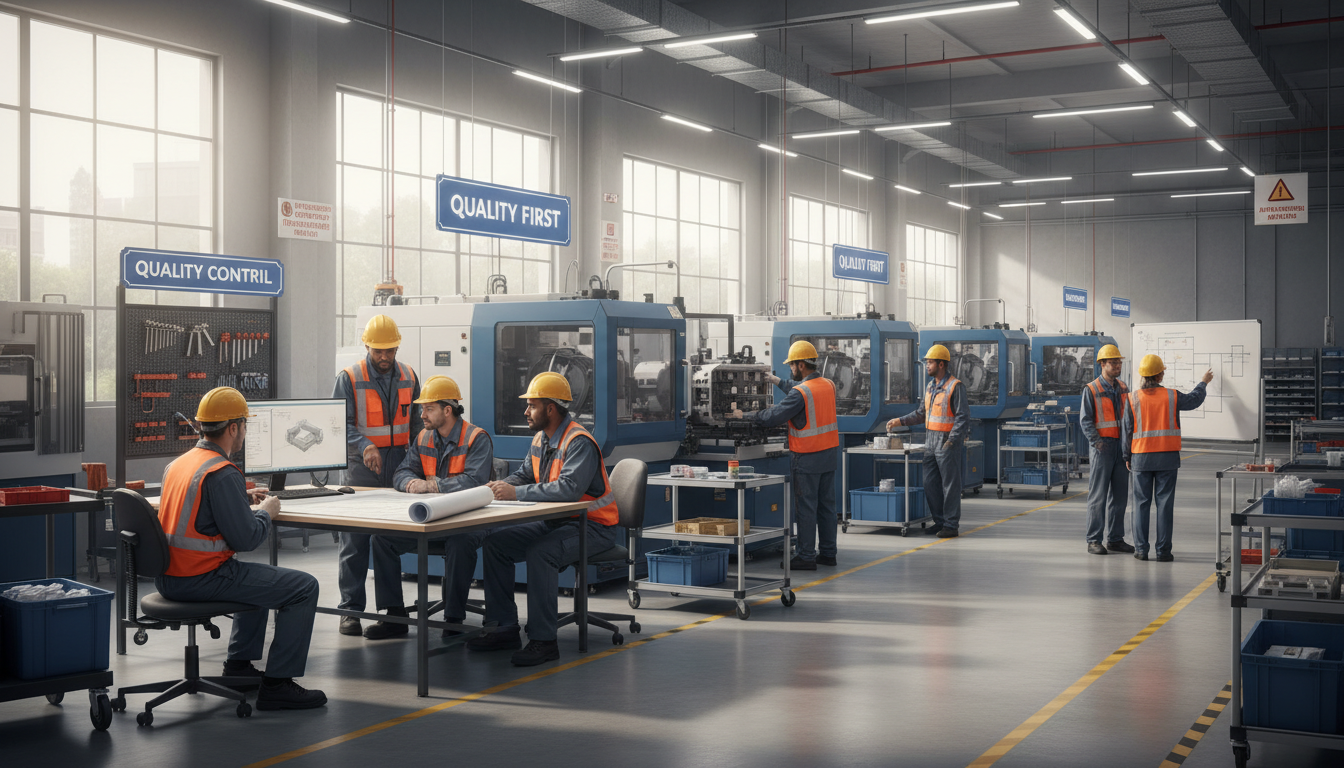
Your choice should align with your production goals and sustainability objectives. For instance, if reducing environmental impact is a priority, E-coating might be the better option. On the other hand, if you require a specific aesthetic or finish, traditional methods might be more suitable.
Conclusion
Both E-coating and traditional coating methods have their distinct advantages and are suited to different applications. By carefully considering your plant's specific needs and operational goals, you can make an informed decision that enhances both product quality and production efficiency.
Ultimately, the right choice will depend on balancing your budget, environmental goals, and the specific requirements of your manufacturing process. By doing so, you'll ensure optimal results and long-term benefits for your plant.