
Comprehensive Guide to Electroplating Systems in Turkey


Understanding Electroplating Systems
Electroplating is a process that uses electrical currents to reduce dissolved metal cations, allowing them to form a coherent metal coating on an electrode. It is widely used across various industries for purposes such as corrosion resistance, decorative finishes, and enhanced electrical conductivity. In Turkey, the demand for efficient and environmentally friendly electroplating systems is steadily rising, catering to sectors like automotive, electronics, and jewelry.
Key Components of Electroplating Systems
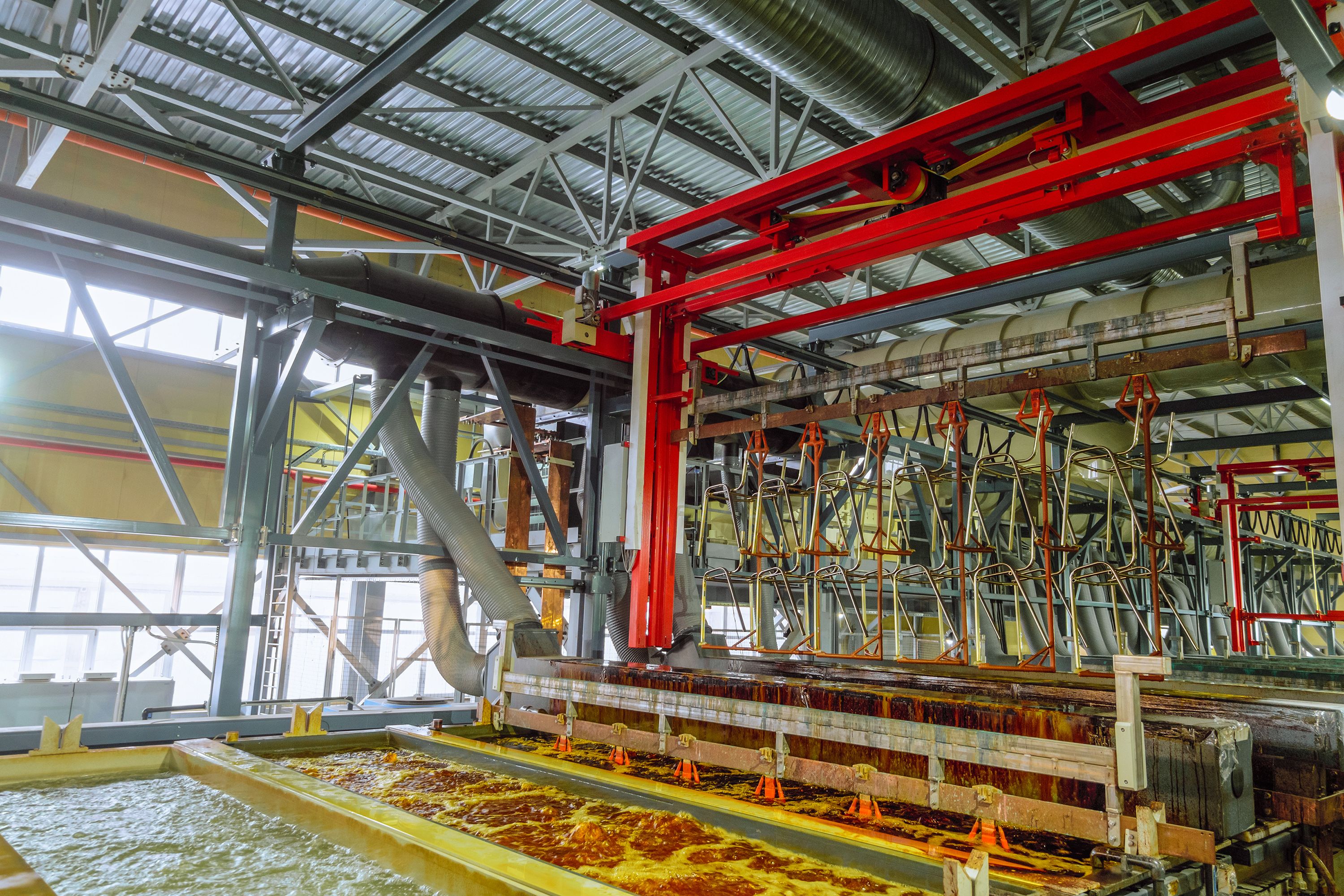
An electroplating system typically consists of several crucial components, including a power supply, plating baths, anodes, and cathodes. The power supply provides the necessary current, while the plating bath contains the metal ions to be deposited. Anodes and cathodes are immersed in the bath, with the anode dissolving to replenish the metal ions consumed during the process.
In Turkey, manufacturers are increasingly adopting advanced technologies to improve the efficiency and sustainability of these components. High-performance power supplies and eco-friendly plating solutions are becoming standard in modern electroplating setups.
Applications and Industries
Electroplating is vital in many Turkish industries. In the automotive sector, it provides critical corrosion resistance for metal parts. The electronics industry relies on electroplating for enhancing conductivity and producing components with precise specifications. Jewelry manufacturers use electroplating to give their products a polished, attractive finish.

Environmental Considerations
Environmental impact is a significant concern in the electroplating industry. The process involves hazardous chemicals and heavy metals, necessitating strict regulatory compliance. Turkish companies are focusing on reducing waste and emissions by implementing closed-loop systems and recycling technologies.
In recent years, there has been a shift towards using less toxic alternatives and improving waste management practices. This not only helps in complying with environmental regulations but also enhances the overall sustainability of the industry.
Innovations in Electroplating Technology
Technological advancements are transforming the electroplating industry in Turkey. Automated systems and real-time monitoring technologies are being integrated to improve precision and reduce labor costs. These innovations allow for more consistent results and increased production efficiency.

Challenges and Opportunities
While opportunities abound, the electroplating industry in Turkey also faces challenges. The need for skilled labor, investment in modern equipment, and maintaining compliance with environmental standards are significant hurdles. However, with the government's support and a focus on technological innovation, the industry is poised for growth.
Investing in research and development is crucial for overcoming these challenges, as it can lead to the discovery of new materials and processes that enhance performance and sustainability.
Conclusion
The electroplating industry in Turkey is evolving rapidly, driven by technological advancements and environmental considerations. With its wide range of applications across various sectors, electroplating remains a critical component of industrial manufacturing. By embracing innovation and sustainability, Turkish companies are setting a standard for future growth and development in the industry.