
Comprehensive Guide to Alkali Zinc Plating Systems


Understanding Alkali Zinc Plating Systems
Alkali zinc plating is a popular method in the metal finishing industry, known for its ability to provide strong corrosion resistance and enhanced appearance to metal components. This guide explores the essential aspects of alkali zinc plating systems, helping you understand their advantages and applications.
What is Alkali Zinc Plating?
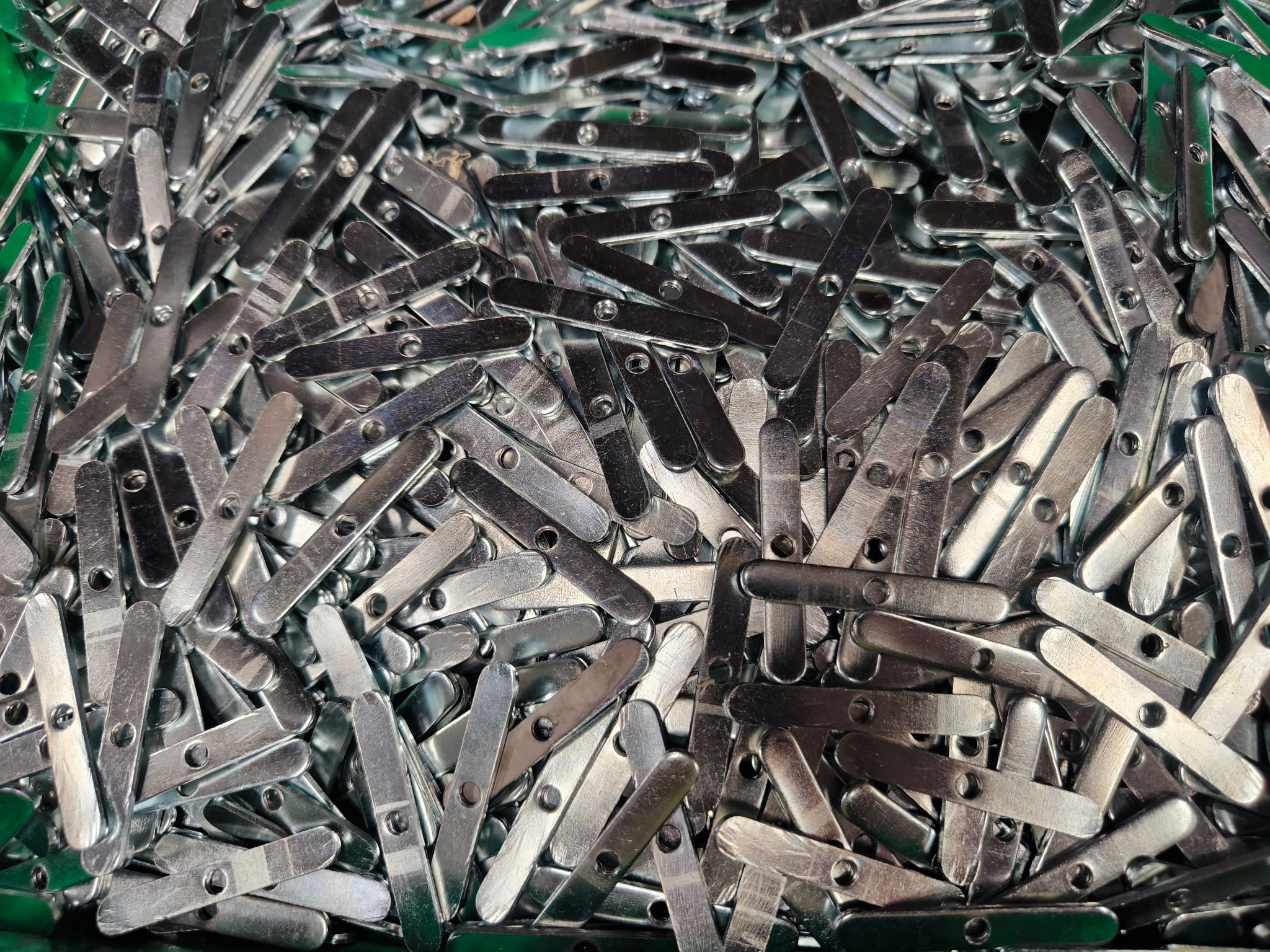
Alkali zinc plating involves coating a metal surface with a layer of zinc using an alkaline electrolyte solution. This process not only improves the metal's appearance but also protects it from rust and corrosion. The alkaline solution, typically a mix of sodium hydroxide and zinc oxide, allows for a more uniform and brighter finish compared to acid-based solutions.
One of the key benefits of using alkali zinc plating is its ability to produce coatings that are less prone to hydrogen embrittlement, a condition that can make metals brittle and less ductile. This makes it an ideal choice for high-strength steel components.
Benefits of Alkali Zinc Plating
Alkali zinc plating offers several advantages over other types of metal finishing. Some of these benefits include:
- Corrosion Resistance: Provides excellent protection against rust and environmental damage.
- Uniform Coating: Ensures a consistent and smooth finish, enhancing the appearance of the metal.
- Cost-Effectiveness: Offers a relatively low-cost solution for large-scale applications.
Applications of Alkali Zinc Plating
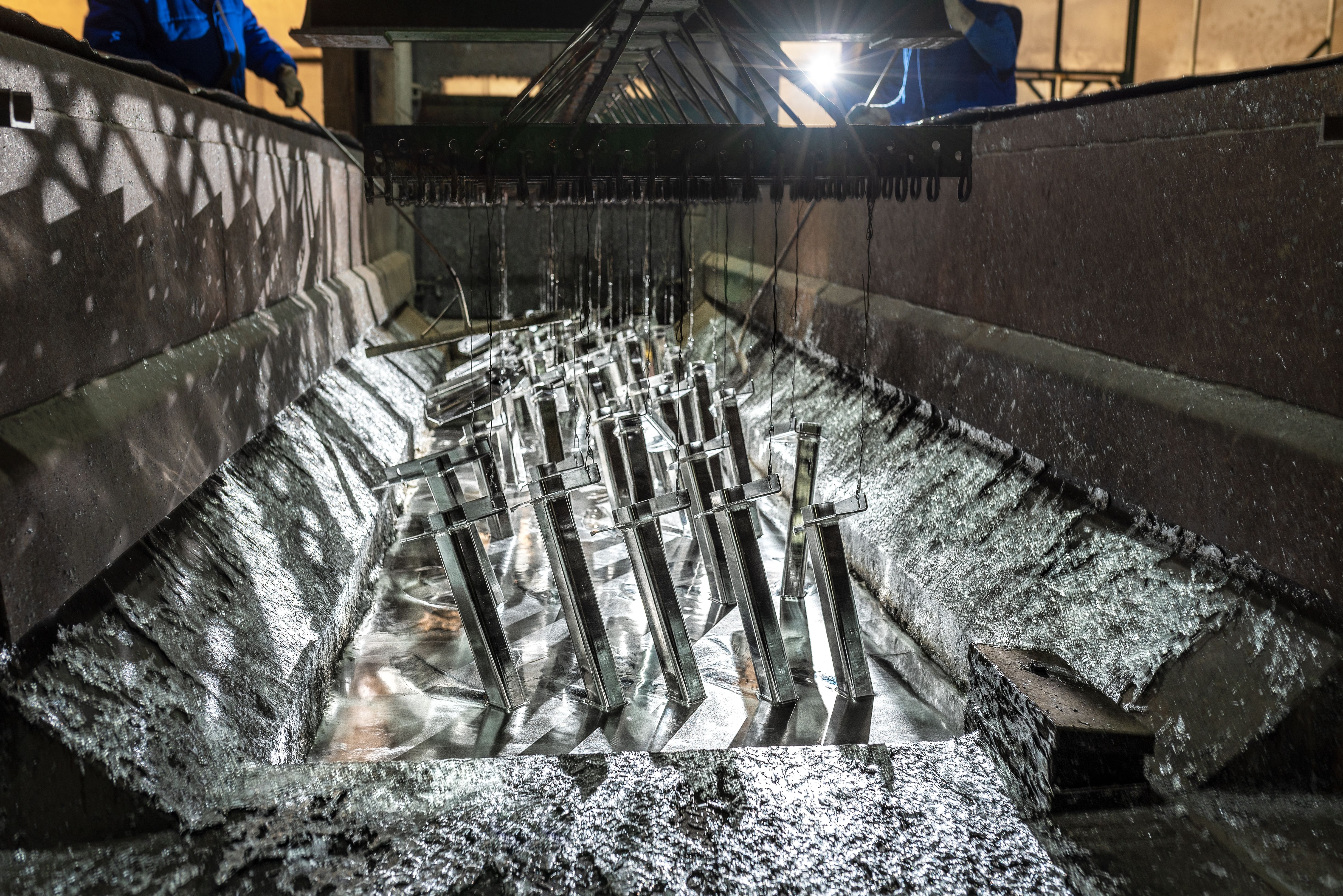
This plating system is widely used in various industries due to its versatility and effectiveness. Common applications include automotive parts, fasteners, and hardware components. Its ability to provide a clean and bright finish makes it particularly popular in industries where aesthetics are important.
Additionally, alkali zinc plating is often used for parts that require subsequent painting or powder coating, as it provides an excellent base that enhances adhesion and longevity of the topcoat.
The Alkali Zinc Plating Process
The process of alkali zinc plating involves several key steps:
- Cleaning: The metal surface is cleaned to remove any dirt, oil, or oxidation.
- Pickling: An acid dip is used to remove any remaining oxides.
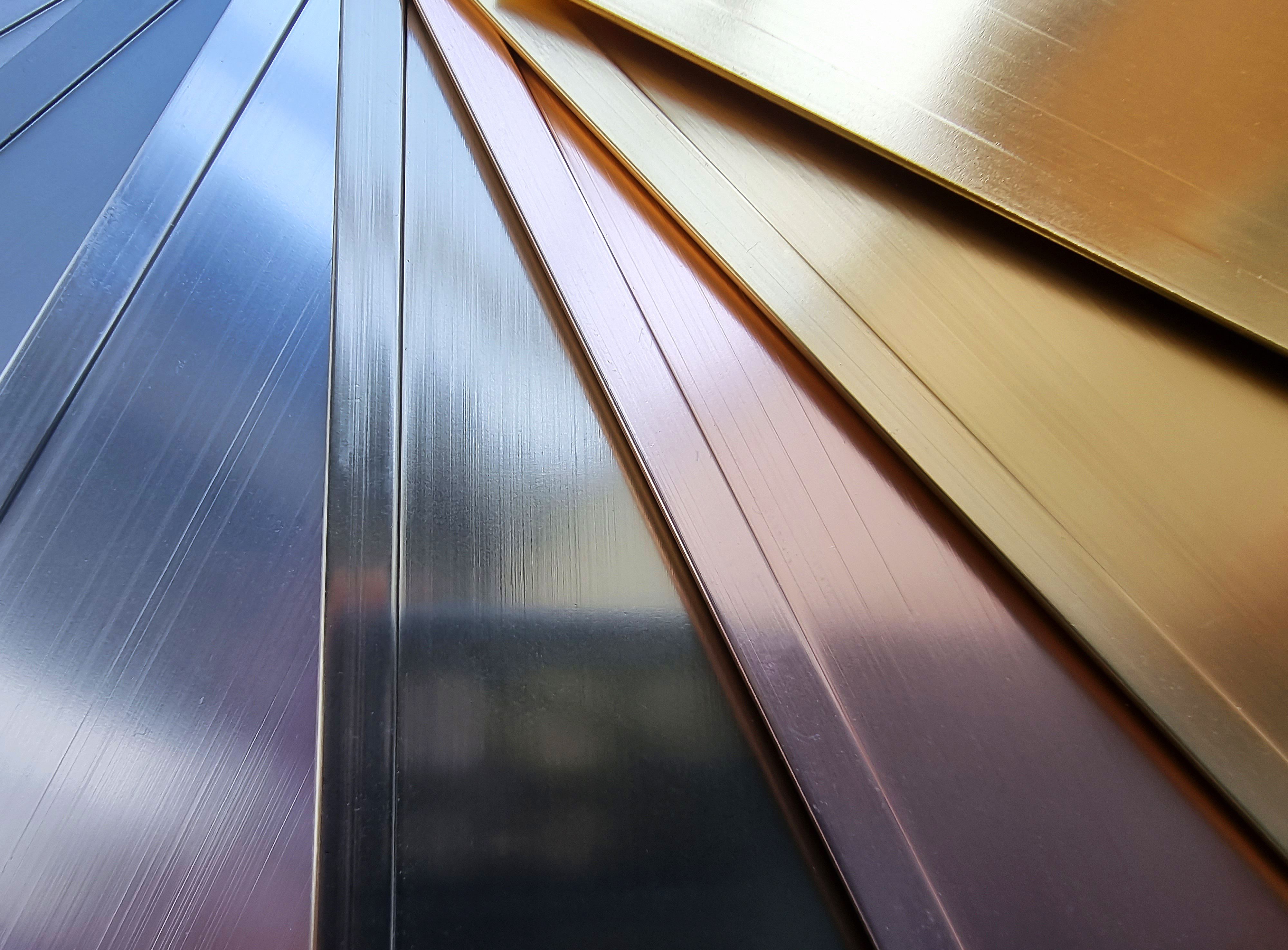
- Plating: The cleaned and prepped metal is submerged in the alkaline zinc solution where zinc is deposited onto the surface.
- Rinsing and Drying: The plated part is rinsed and dried to finish the process.
Environmental Considerations
While alkali zinc plating is effective, it is important to consider its environmental impact. Modern systems are designed to minimize waste and reduce the use of hazardous chemicals. Many facilities implement recycling and waste treatment processes to ensure compliance with environmental regulations.
Using environmentally friendly practices not only helps protect the planet but also ensures the sustainability of the plating processes for future use.
Conclusion
Alkali zinc plating systems provide a reliable and cost-effective solution for enhancing the durability and appearance of metal components. By understanding the process and its benefits, industries can make informed decisions about its applications. As technology advances, these systems continue to evolve, offering even more efficient and environmentally friendly options.