
Comparison Guide: Traditional vs. Automated Electroplating Systems


Understanding Electroplating Systems
Electroplating is a crucial process in various industries, adding a layer of metal to a surface to enhance appearance, prevent corrosion, or improve wear resistance. Traditionally, this process has been managed manually, but automated systems have gradually become more prevalent. This guide compares traditional and automated electroplating systems, helping you understand their distinct advantages and limitations.
Traditional Electroplating Systems
Overview
Traditional electroplating systems rely heavily on manual labor and expertise. Operators control the plating process, adjusting variables such as current density, temperature, and plating time. This hands-on approach allows for a high degree of customization and flexibility, especially useful for small-scale or specialized applications.
Advantages
The primary advantage of traditional electroplating is its flexibility. Skilled technicians can make real-time adjustments to meet specific requirements, providing precision that automated systems may lack. Additionally, setup costs are typically lower, making it an attractive option for smaller operations.

Automated Electroplating Systems
Overview
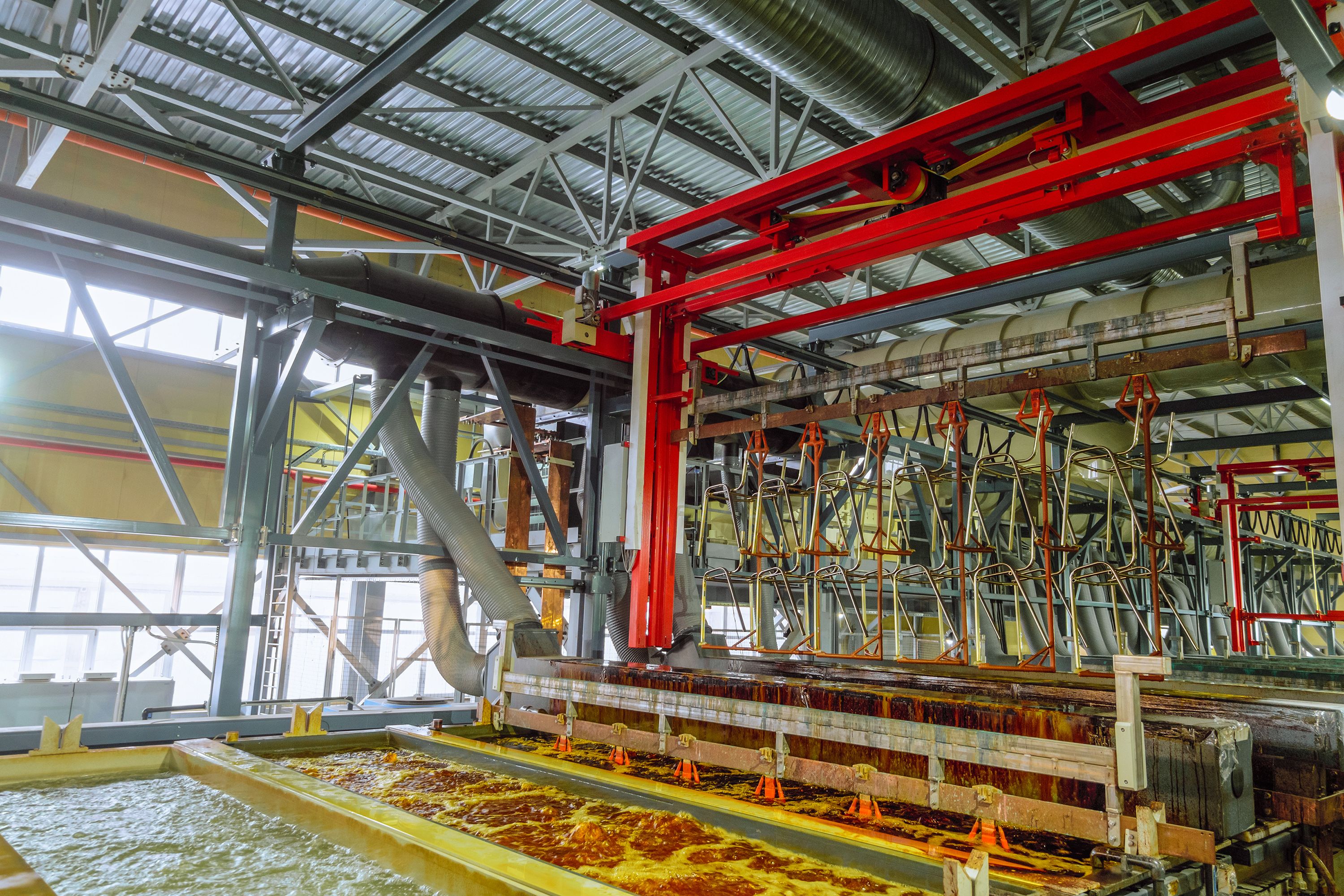
Automated electroplating systems utilize advanced technology to streamline the plating process. These systems are often equipped with programmable controllers, robotics, and sensors to ensure a consistent and efficient operation. Automation is ideal for high-volume production runs where efficiency and consistency are paramount.
Advantages
Automation offers numerous benefits, including increased consistency and efficiency. By reducing human error, automated systems can maintain a uniform quality across large batches. Additionally, automated systems often lead to reduced labor costs and can operate continuously, maximizing productivity.

Cost Considerations
When comparing costs, traditional systems may initially appear more economical due to lower setup expenses. However, automated systems can lead to significant savings in the long term, thanks to reduced labor costs and improved efficiency. The choice between the two often depends on production scale and long-term strategic goals.
Environmental Impact
Environmental considerations are increasingly important in manufacturing. Automated systems often have a smaller environmental footprint, as they can be designed to minimize waste and optimize resource use. Traditional systems might require more resources and produce more waste due to manual adjustments and human error.
Choosing the Right System
Selecting between traditional and automated electroplating systems depends on various factors, including production scale, budget, and specific needs. For small-batch or highly customized applications, traditional systems may be more suitable. On the other hand, automated systems are preferable for high-volume production where consistency and efficiency are crucial.
- Evaluate production requirements and volume.
- Consider long-term cost implications.
- Assess environmental impact and sustainability goals.
Conclusion
Both traditional and automated electroplating systems have their place in modern manufacturing. Understanding their differences and respective advantages helps businesses make informed decisions. Whether prioritizing flexibility or efficiency, choosing the right system can lead to improved outcomes and competitive advantages.