
Comparing Traditional vs. 3D SCADA Automation in Coating Plants


Introduction
The evolution of Supervisory Control and Data Acquisition (SCADA) systems has revolutionized various industries. In the coating plant sector, the debate between traditional SCADA and 3D SCADA automation is increasingly relevant. This post explores the differences and benefits of each system, providing insights into which might be better suited for modern coating plants.

Understanding Traditional SCADA
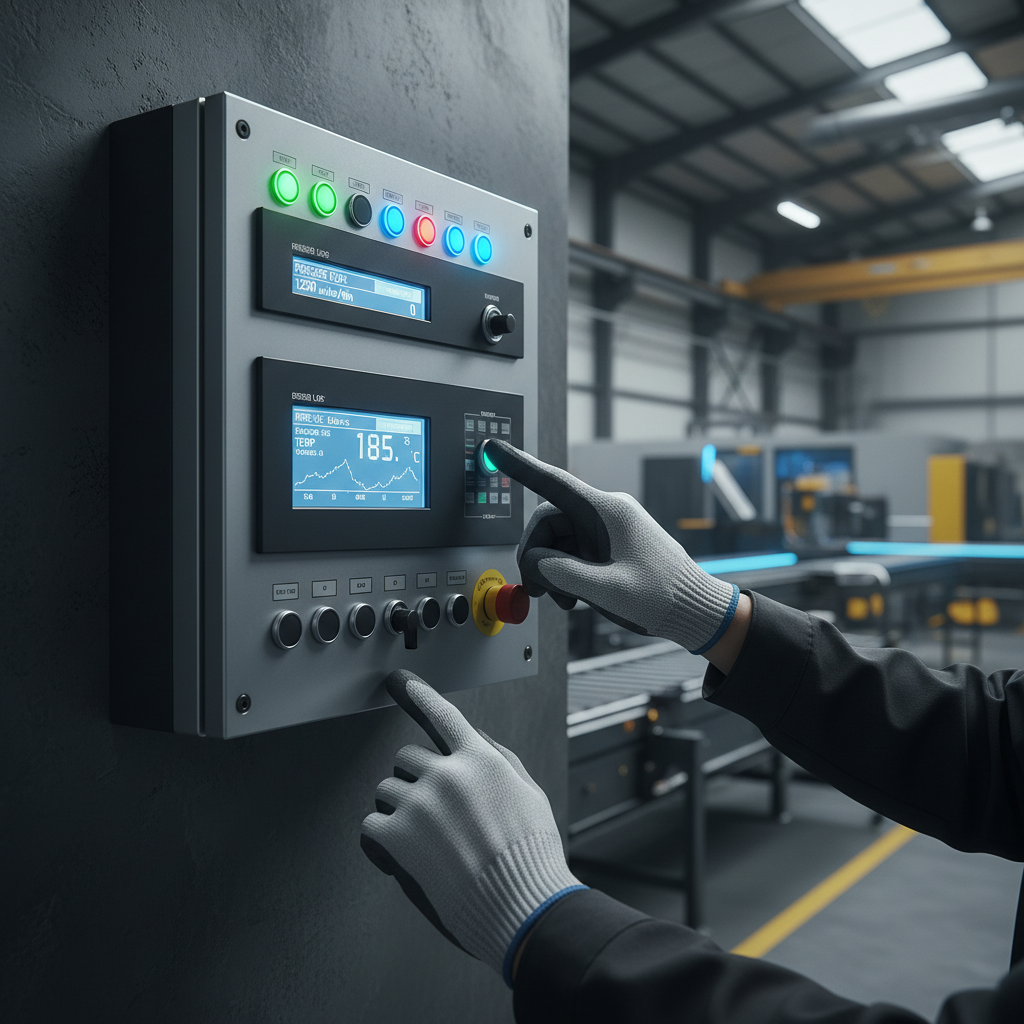
Traditional SCADA systems have been the backbone of industrial automation for decades. These systems are designed to monitor and control plant operations using a centralized computer system. They provide essential data collection, real-time monitoring, and control capabilities.
Key features of traditional SCADA include:
- Centralized data management
- Real-time monitoring and control
- Basic visualization of processes
Limitations of Traditional SCADA
While traditional SCADA systems are effective, they have limitations. The primary drawback is the lack of advanced visualization, which can make it difficult for operators to quickly identify and respond to issues. Furthermore, these systems often require significant manual intervention.
The Rise of 3D SCADA
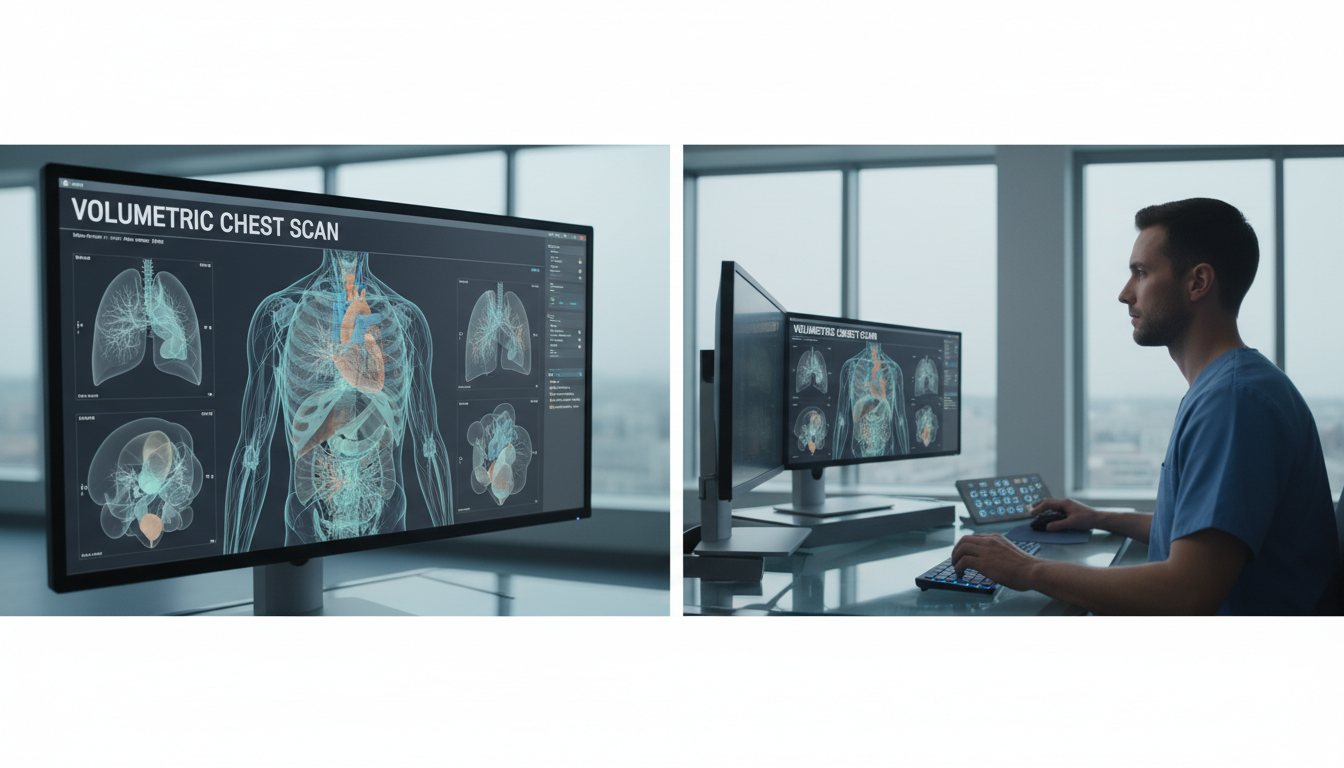
3D SCADA represents a significant advancement in automation technology. By incorporating three-dimensional visualization, these systems provide a more immersive and intuitive user experience. Operators can interact with a virtual model of the plant, enhancing their ability to identify and resolve issues efficiently.
Benefits of 3D SCADA include:
- Enhanced Visualization: Detailed 3D models offer a clearer representation of plant operations.
- Improved Decision-Making: Operators can quickly understand complex scenarios.
- Reduced Downtime: Faster issue identification leads to quicker resolutions.
Integration and Flexibility
3D SCADA systems are designed to be more flexible and integrative. They can easily incorporate new technologies and adapt to changes in plant operations. This adaptability is crucial in a rapidly evolving industry.
Comparing Costs and Implementation
When considering the shift from traditional to 3D SCADA, cost is a significant factor. While 3D SCADA systems may have higher initial costs due to advanced hardware and software requirements, the potential for increased efficiency and reduced downtime can lead to long-term savings.
Implementation of 3D SCADA may require substantial training for staff, but the enhanced usability often leads to smoother transitions and better operator engagement.
Future of SCADA in Coating Plants
The future of SCADA in coating plants seems to be leaning towards more advanced systems like 3D SCADA. As technology continues to advance, the ability to integrate with other emerging technologies such as IoT and AI will be crucial for maintaining competitive advantages.
Conclusion
Both traditional and 3D SCADA systems offer unique benefits and challenges. The choice between the two should be guided by the specific needs and goals of the coating plant. As the industry evolves, the advantages of 3D SCADA, particularly in terms of visualization and flexibility, make it an attractive option for forward-thinking operations.
Ultimately, the integration of advanced SCADA systems can lead to more efficient, reliable, and adaptable coating plant operations, paving the way for future innovations.