
Common Misconceptions About Surface Treatment Automation


Understanding Surface Treatment Automation
Surface treatment automation is a critical component in modern manufacturing, yet it is often misunderstood. As industries evolve, the demand for efficient and precise surface treatment processes increases. However, several misconceptions still persist, hindering businesses from fully realizing the benefits of automation.
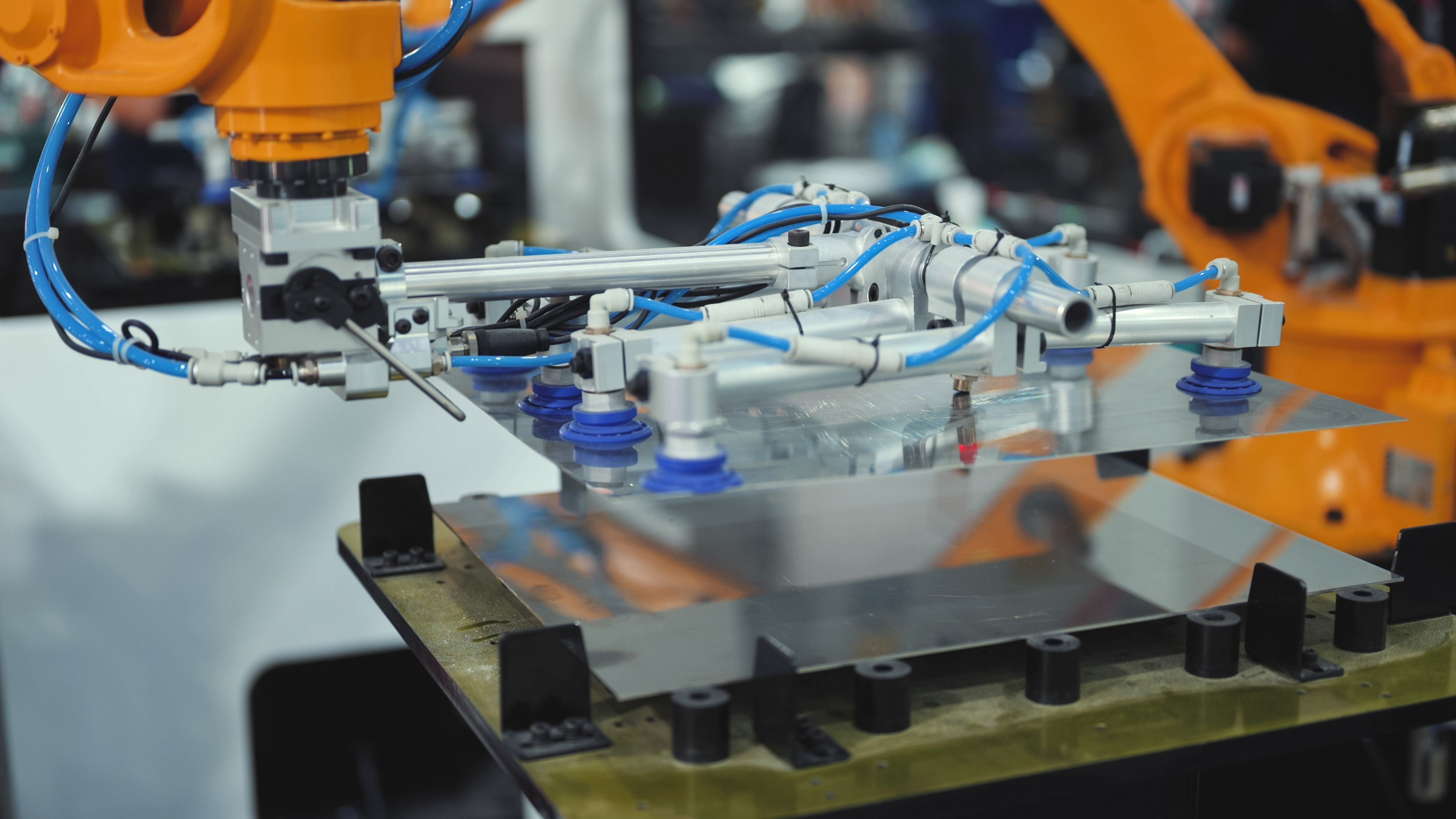
Misconception 1: Automation Is Too Expensive
One of the most common misconceptions is that surface treatment automation is prohibitively expensive. While initial investments can be significant, the long-term savings from increased efficiency, reduced waste, and improved quality often outweigh the costs. Automation can lead to substantial financial benefits by minimizing manual labor and reducing errors.
Moreover, technological advancements have made automation solutions more accessible to small and medium-sized enterprises. As the market for automated systems grows, competitive pricing and flexible financing options make these technologies more attainable than ever before.
Misconception 2: Automation Is Only for Large-Scale Operations
Another false belief is that only large-scale operations can benefit from automation. In reality, surface treatment automation can be tailored to fit businesses of all sizes. Customized solutions allow small companies to enhance their processes without overhauling their operations entirely.
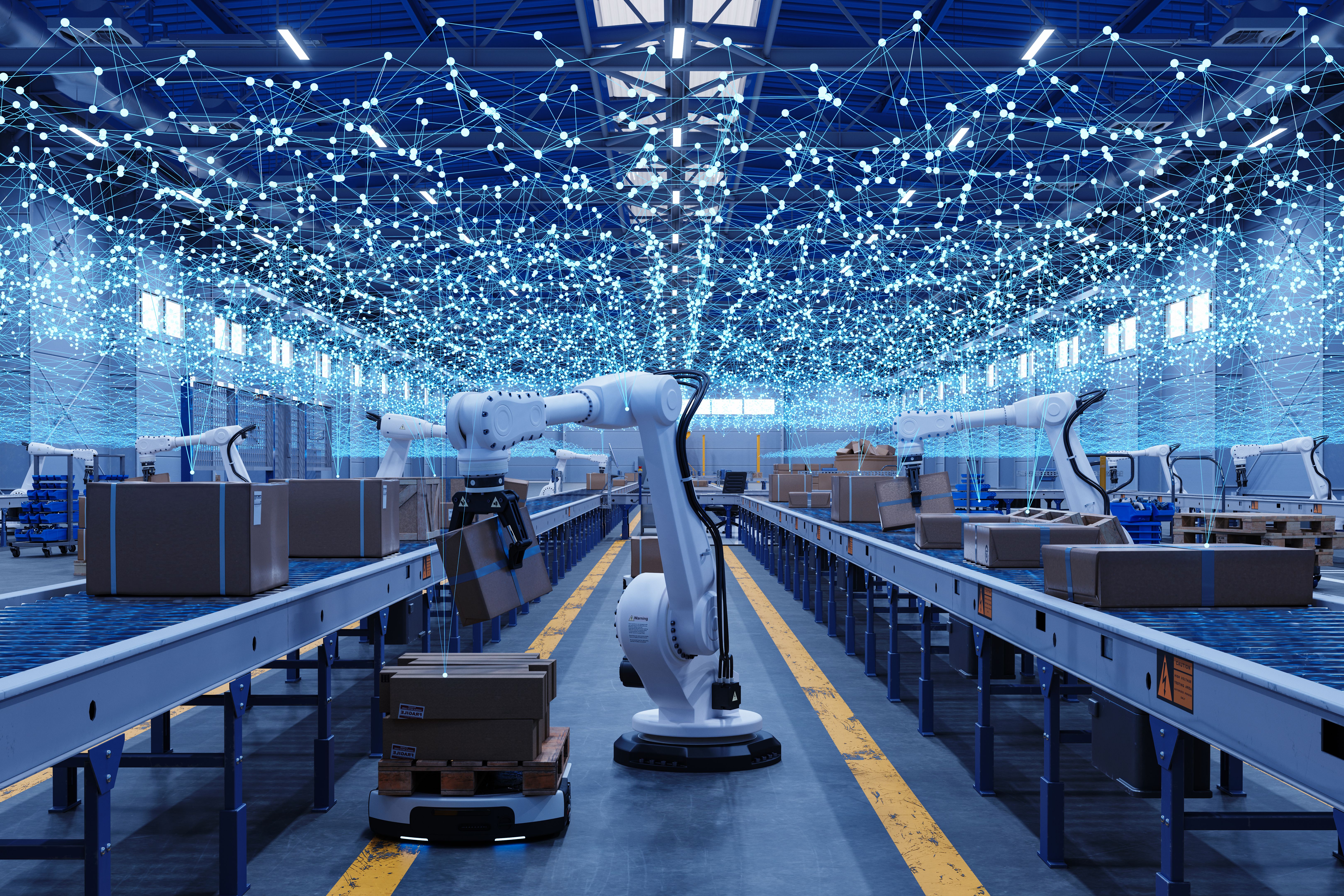
Whether it's a small batch of components or a continuous production line, automation systems can be scaled to meet specific needs, providing improved consistency and quality control across the board.
Misconception 3: Automation Reduces Job Opportunities
A prevalent fear is that automation leads to job losses. However, automation often creates new opportunities by shifting the demand from manual labor to skilled positions in programming, maintenance, and system management.
In fact, the integration of automation typically enhances job satisfaction by removing repetitive and hazardous tasks from workers, allowing them to focus on more complex and rewarding responsibilities.

Misconception 4: Automation Is Difficult to Implement
Many believe that integrating automation into existing systems is a complicated and disruptive process. However, modern automation solutions are designed for seamless integration, often requiring minimal downtime during installation.
With user-friendly interfaces and ongoing support from providers, businesses can implement automation smoothly and efficiently, experiencing immediate improvements in productivity and quality.
Final Thoughts
Surface treatment automation offers a range of benefits that extend beyond cost savings. By debunking these misconceptions, businesses can make informed decisions and leverage automation to enhance their operations. As technology continues to advance, embracing automation becomes not just an option but a necessity for staying competitive in the manufacturing landscape.