
Common Misconceptions About Robotic Systems in Electroplating


Understanding Robotic Systems in Electroplating
Electroplating, a process that applies a metal coating on a surface, has seen significant advancements with the integration of robotic systems. However, several misconceptions persist about these high-tech systems, often overshadowing their benefits. This post aims to dispel those myths and provide a clearer picture of what robotic systems can offer.
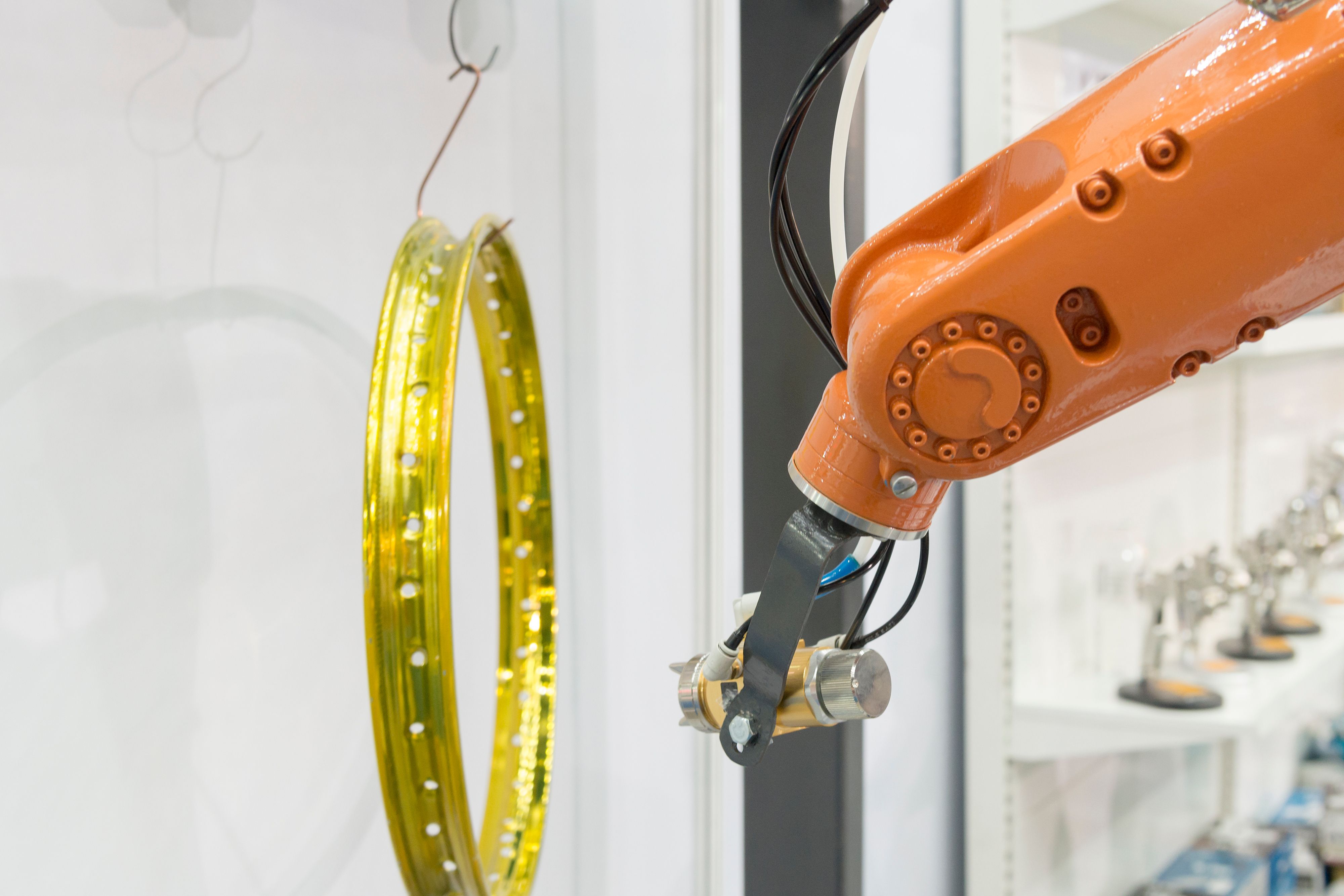
Misconception 1: Robotic Systems Are Too Expensive
One of the most common beliefs is that robotic systems are prohibitively expensive. While initial costs can be high, it's essential to consider the long-term savings. Robotic systems reduce labor costs, minimize waste, and increase efficiency, often providing a quick return on investment. Over time, the savings in operational costs can significantly outweigh the initial expenditure.
Moreover, advances in technology have made robotic systems more accessible than ever. Companies now offer scalable solutions that can be customized to fit specific budgetary needs and operational scales.
Misconception 2: Robots Are Difficult to Operate
Another widespread myth is that robotic systems are complex and require specialized knowledge to operate. In reality, modern robots come with user-friendly interfaces designed for ease of use. Training programs are often part of the package, ensuring that staff can quickly become proficient in operating these systems.
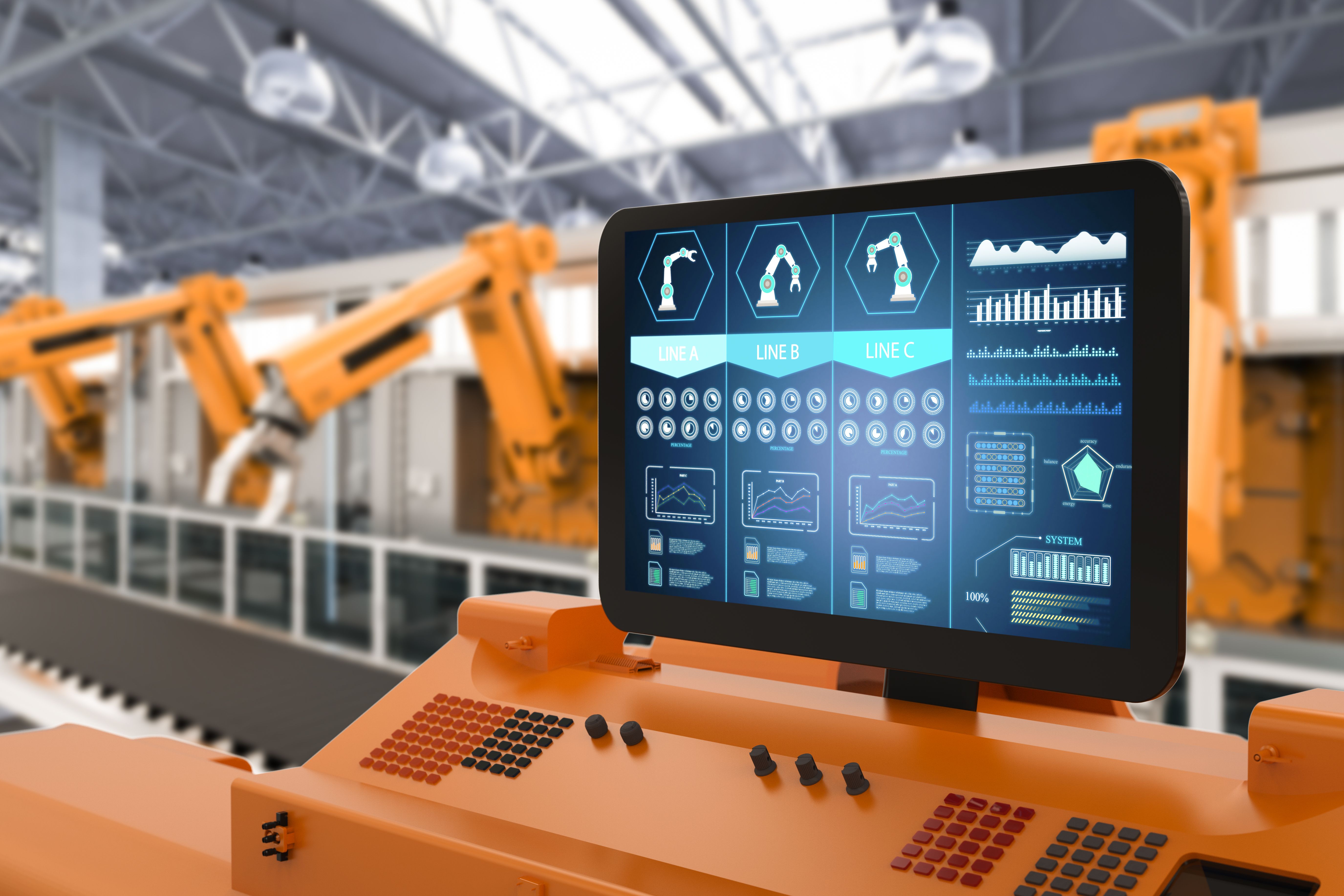
Furthermore, many robotic systems are designed with **intuitive controls** and can be programmed to perform repetitive tasks with precision, reducing the need for constant human intervention.
Misconception 3: Robots Replace Human Jobs
A prevalent fear is that robots will take over jobs, leading to unemployment. However, robotic systems are more about collaboration than replacement. They handle repetitive and hazardous tasks, allowing human workers to focus on more complex, value-added activities.
By taking over mundane tasks, robots can enhance worker safety and job satisfaction, leading to a more motivated workforce. This shift often results in the creation of new job roles centered around robot management and maintenance.
Misconception 4: Robotic Systems Lack Flexibility
Some believe that robotic systems are rigid and cannot adapt to changing processes or products. On the contrary, modern robots are highly adaptable and can be reprogrammed as needed. Whether it's a change in product design or a shift in production volume, robotic systems can be adjusted to meet new requirements.

This flexibility allows businesses to stay competitive and responsive to market demands, ensuring that production lines remain efficient and effective.
Conclusion: Embracing the Future
Robotic systems in electroplating offer numerous advantages, from cost savings to improved safety and efficiency. By addressing and dispelling these misconceptions, businesses can make informed decisions that align with their operational goals.
As technology continues to evolve, embracing robotic systems could be the key to staying ahead in a competitive market. It's time to look beyond the myths and recognize the potential that these systems bring to the table.