
Common Misconceptions About Kaplama Tesisi: Debunked


Understanding Kaplama Tesisi
Kaplama tesisi, or coating facilities, play a crucial role in various industries by providing protective and aesthetic finishes to products. However, several misconceptions can cloud the understanding of their functions and benefits. In this article, we aim to debunk some of these common myths.
One prevalent misconception is that all coating processes are the same. In reality, kaplama tesisi can vary significantly depending on the materials used and the desired outcome. From electroplating and anodizing to powder coating and more, each method offers unique advantages tailored to specific applications.
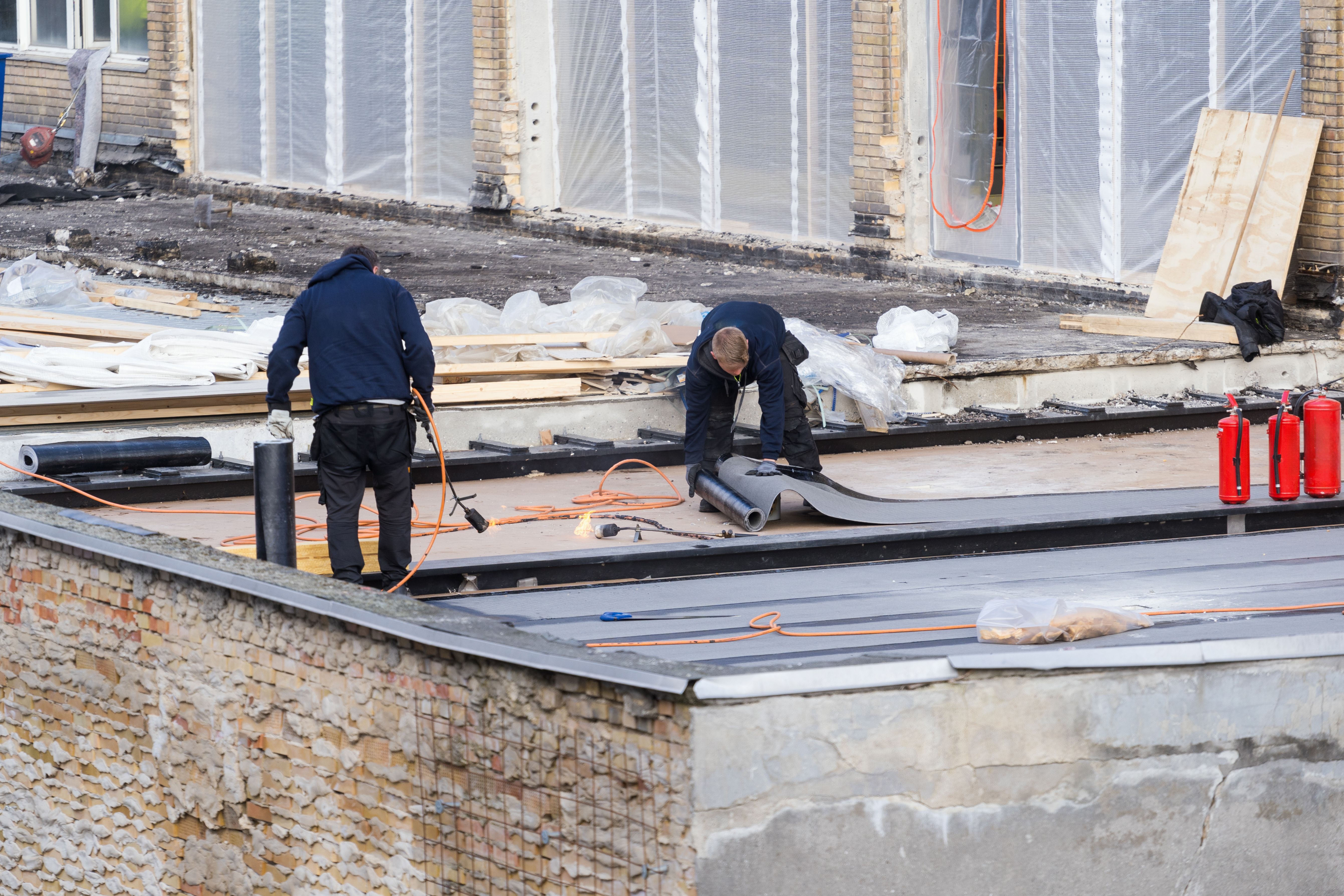
Myth 1: Coatings Are Only for Aesthetics
While it's true that coatings can enhance the visual appeal of a product, they serve much more than just an aesthetic purpose. Coatings protect items from corrosion, wear, and other environmental factors. Without these protective layers, many products would have a significantly shorter lifespan.
Additionally, coatings can improve product performance by reducing friction or providing thermal insulation. This functionality is crucial in industries such as aerospace, automotive, and electronics.
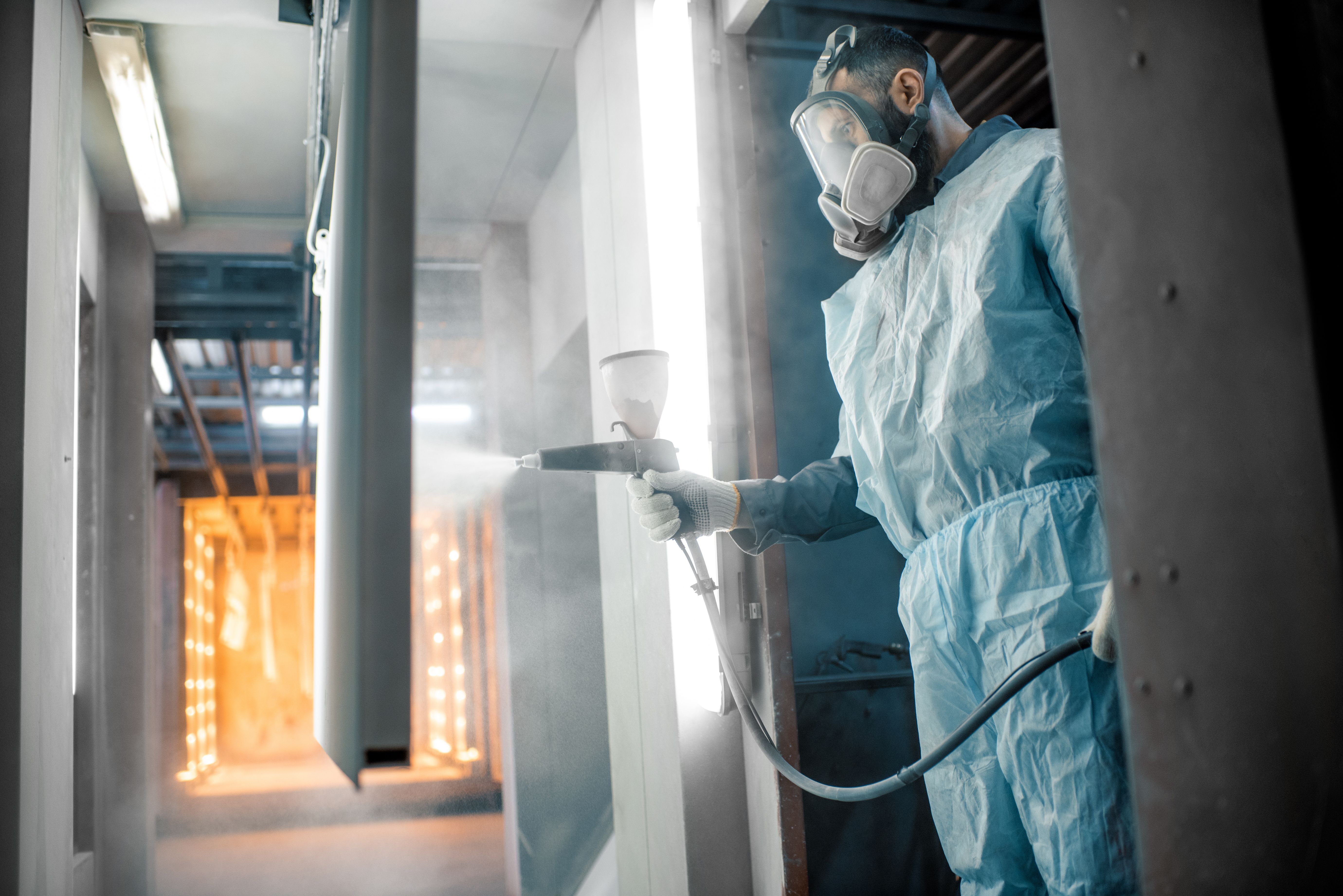
Myth 2: Coating Facilities Are Costly and Inefficient
Another common myth is that operating a kaplama tesisi is costly and inefficient. However, advancements in technology have made coating processes more cost-effective and environmentally friendly. Modern facilities often use automated systems to minimize waste and optimize resource usage, resulting in reduced operational costs.
Moreover, the initial investment in a quality coating can lead to long-term savings by extending product life and reducing maintenance needs.
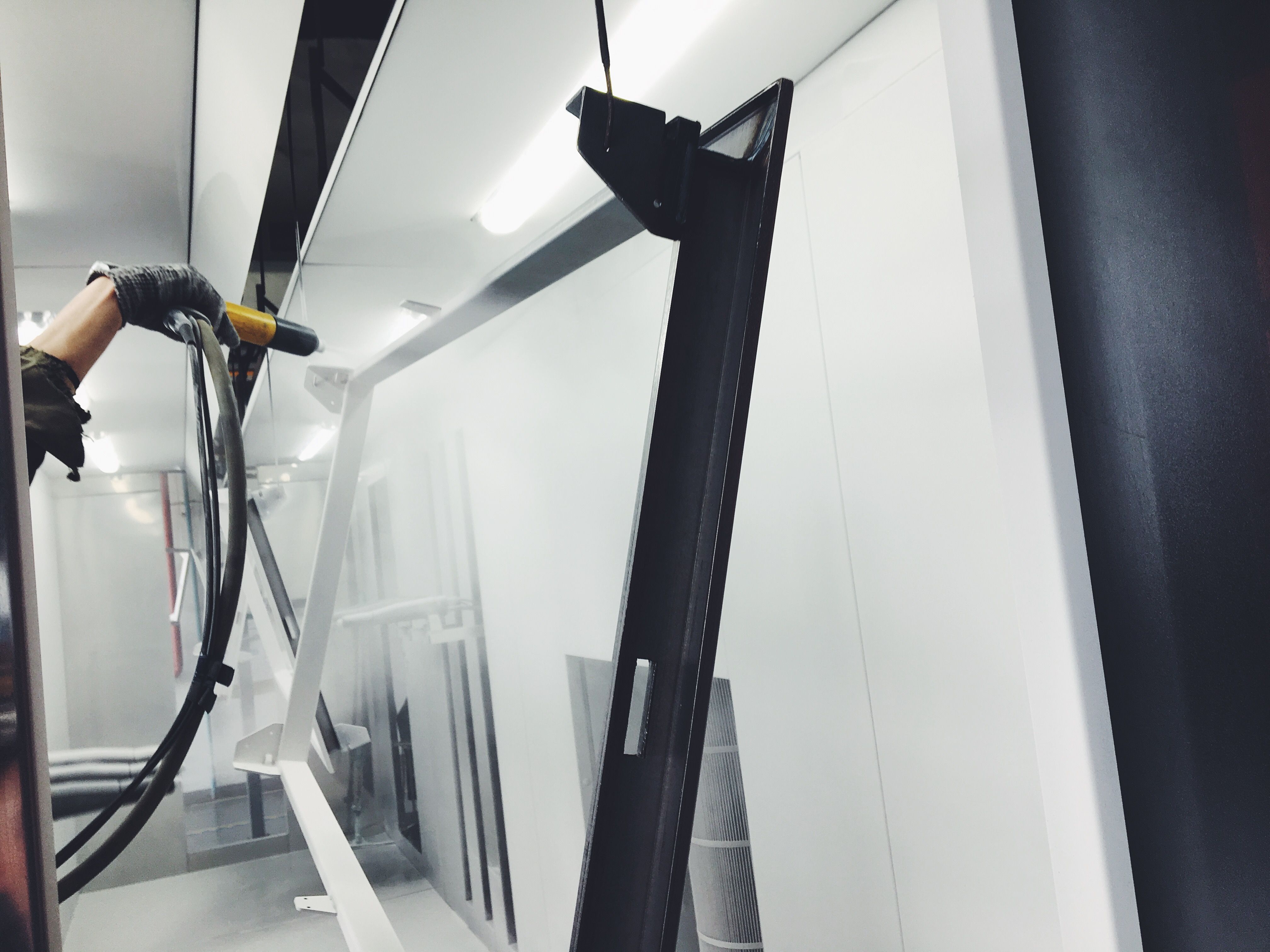
Myth 3: Environmental Impact of Coating Is Always Negative
Many people assume that all coating processes are harmful to the environment. While older methods might have had significant environmental impacts, modern kaplama tesisleri are increasingly adopting sustainable practices. Water-based and low-VOC (volatile organic compounds) coatings are becoming more prevalent, reducing harmful emissions.
Additionally, many facilities are implementing recycling programs and waste management systems to further mitigate their environmental footprint.
Conclusion: The Versatility of Kaplama Tesisi
In conclusion, understanding the true capabilities and benefits of kaplama tesisi requires looking beyond common misconceptions. These facilities are not only about aesthetics but are essential for protection, performance, and sustainability. With ongoing innovations, they continue to evolve, offering even more efficient and environmentally friendly solutions.
By debunking these myths, we can appreciate the critical role that coating facilities play in various industries, ensuring the longevity and functionality of countless products.