
Case Study: Successful Implementation of Automation in Bursa


Introduction to Automation in Bursa
The bustling city of Bursa has always been a hub of innovation and industry in Turkey. Recently, Bursa made headlines with the successful implementation of automation technologies across various sectors, marking a significant milestone in its industrial evolution. This case study explores how automation has been seamlessly integrated into Bursa's manufacturing landscape and the remarkable benefits it has brought to the city.

The Need for Automation
As the demand for efficiency and productivity grew, businesses in Bursa sought ways to streamline operations. Traditional manufacturing processes, while effective, were proving to be time-consuming and resource-intensive. Automation emerged as a viable solution, promising enhanced precision, reduced operational costs, and improved output quality.
Challenges Faced
Despite its potential, automation posed several challenges. Companies needed to invest in new technologies and train their workforce to adapt to these changes. Additionally, there were concerns about job displacement and the integration of automation systems with existing processes.
Implementation Strategy
Bursa's approach to implementing automation was strategic and phased. Companies began by identifying key areas where automation could have the most impact. This often included repetitive tasks that required high precision, such as assembly line work and quality control.

Collaborative Efforts
Local businesses collaborated with tech firms and educational institutions to ensure a smooth transition. Training programs were established to upskill workers, equipping them with the knowledge needed to operate and maintain automated systems effectively.
- Partnerships with tech companies
- Workforce training initiatives
- Gradual integration of technology
Outcomes and Benefits
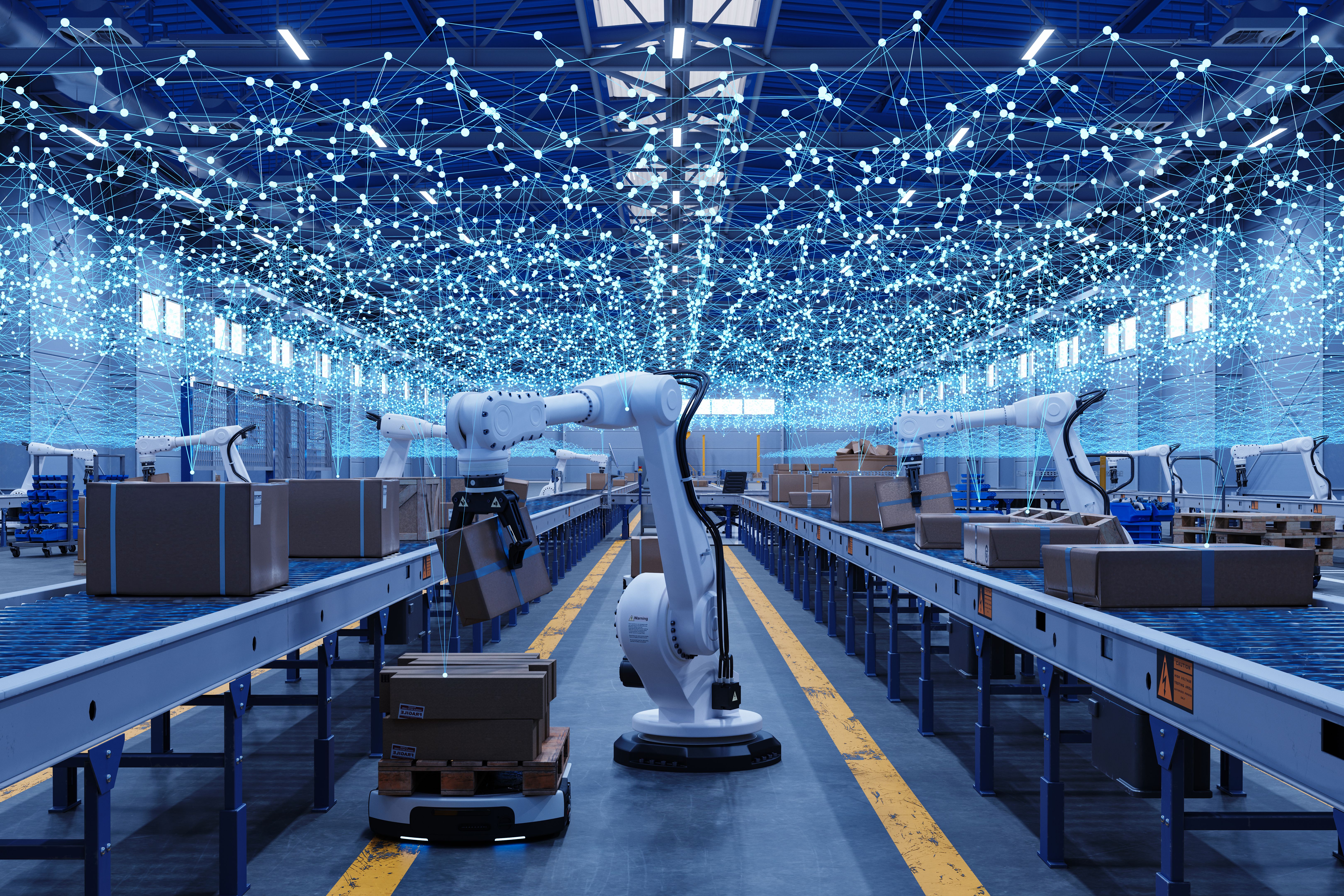
The results of automation in Bursa have been overwhelmingly positive. Companies reported a significant increase in productivity, with some experiencing up to a 40% boost in output. The precision of automated systems also led to a reduction in errors, enhancing product quality and customer satisfaction.
Economic and Social Impact
Beyond the immediate business benefits, automation has had a broader economic impact. The increase in efficiency has allowed Bursa to remain competitive in the global market, attracting new investments and business opportunities. Socially, the focus on training and education has helped mitigate concerns about job displacement, ensuring that the workforce is equipped for the future.
- Increased productivity
- Enhanced product quality
- Attraction of new investments
Future Prospects
Looking ahead, Bursa is poised to continue its journey of innovation. The successful implementation of automation serves as a model for other cities aiming to modernize their industries. As technology advances, Bursa is committed to staying at the forefront, exploring new possibilities and setting benchmarks for industrial excellence.
In conclusion, the case study of automation in Bursa highlights the transformative power of technology. By embracing change and investing in the future, Bursa has positioned itself as a leader in the industrial sector, paving the way for continued growth and success.