
Case Study: Successful Implementation of 3D SCADA in a Bursa Coating Facility


Introduction to 3D SCADA
In recent years, the integration of 3D Supervisory Control and Data Acquisition (SCADA) systems has transformed industrial operations, offering enhanced monitoring and control capabilities. One standout example of this successful implementation is at a coating facility in Bursa. By integrating 3D SCADA, this facility has revolutionized its processes, improving efficiency and productivity.
3D SCADA offers a comprehensive view of operations, enabling facility operators to visualize processes in real-time. This not only aids in quick decision-making but also enhances the overall safety and reliability of operations.
Challenges Faced by the Bursa Coating Facility
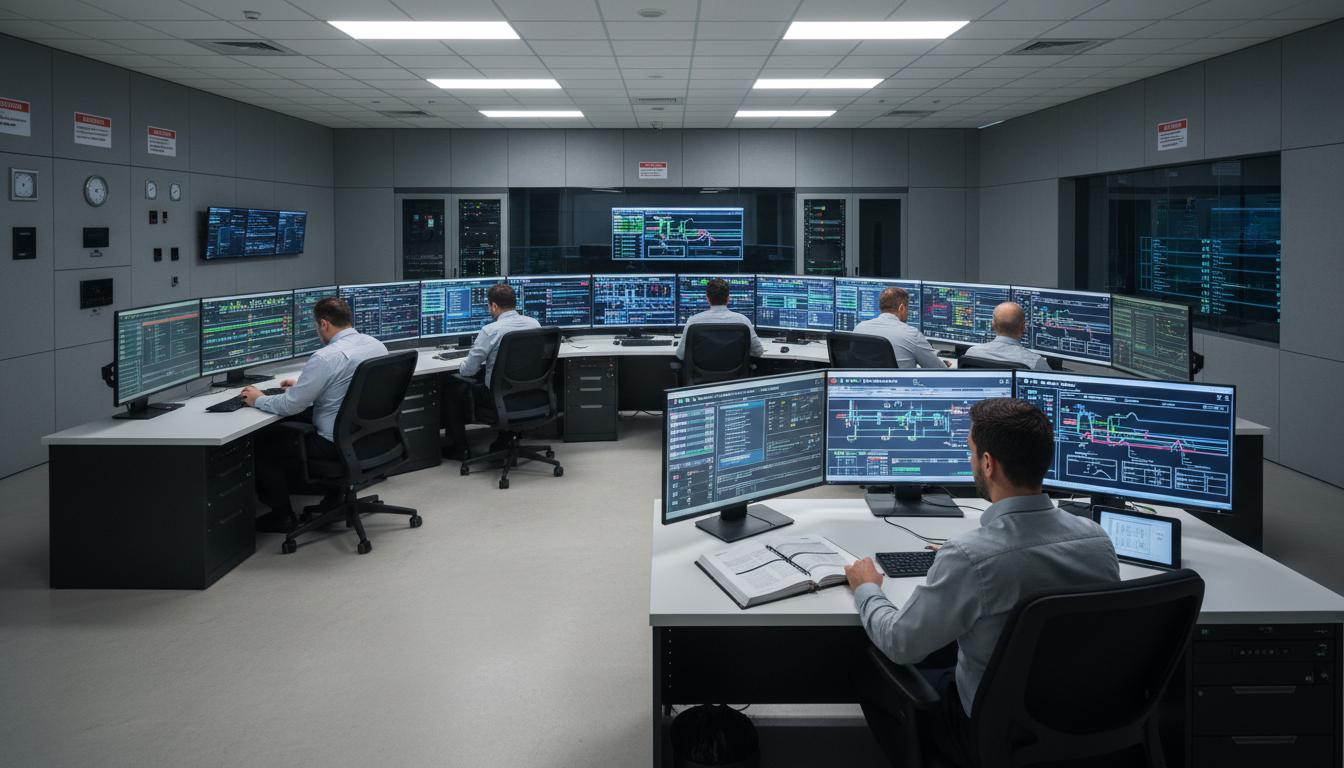
Before the implementation of 3D SCADA, the Bursa coating facility faced several challenges. The traditional 2D monitoring systems were limited in their ability to provide an immersive view of the plant operations, often leading to delays in identifying and troubleshooting issues.
Moreover, the facility had to deal with high operational costs and frequent equipment downtimes, which affected productivity. The need for a more dynamic and interactive system was evident to enhance operational efficiency and meet growing production demands.
The Implementation Process
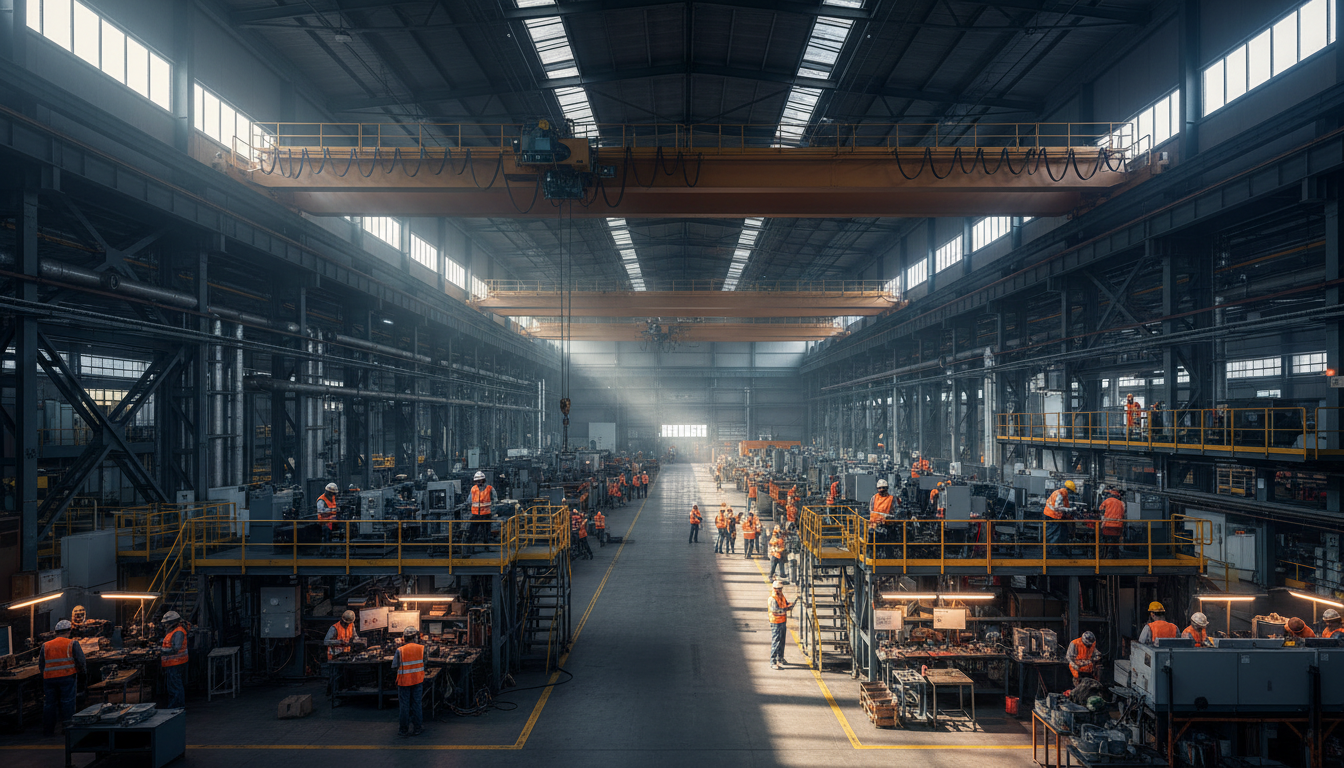
The transition from a conventional system to a 3D SCADA platform was meticulous, involving several stages:
- Assessment: A thorough assessment of the existing infrastructure and systems was conducted to identify specific needs and capabilities.
- Customization: The 3D SCADA system was customized to align with the facility's operational requirements, ensuring seamless integration.
- Training: Operators and staff underwent extensive training to familiarize themselves with the new system and its functionalities.
- Deployment: The system was deployed in phases to ensure minimal disruption to ongoing operations.

Benefits Realized
The successful implementation of 3D SCADA at the Bursa coating facility has yielded numerous benefits:
- Enhanced Visualization: Operators can now monitor operations in 3D, allowing for quicker identification of issues.
- Improved Decision-Making: Real-time data and analytics enable informed decision-making, reducing downtime.
- Cost Efficiency: The facility has seen a significant reduction in operational costs due to improved process efficiency.
- Increased Safety: Enhanced monitoring capabilities contribute to a safer work environment.
These improvements have not only increased productivity but have also positioned the facility as a leader in innovative industrial operations.
Future Prospects
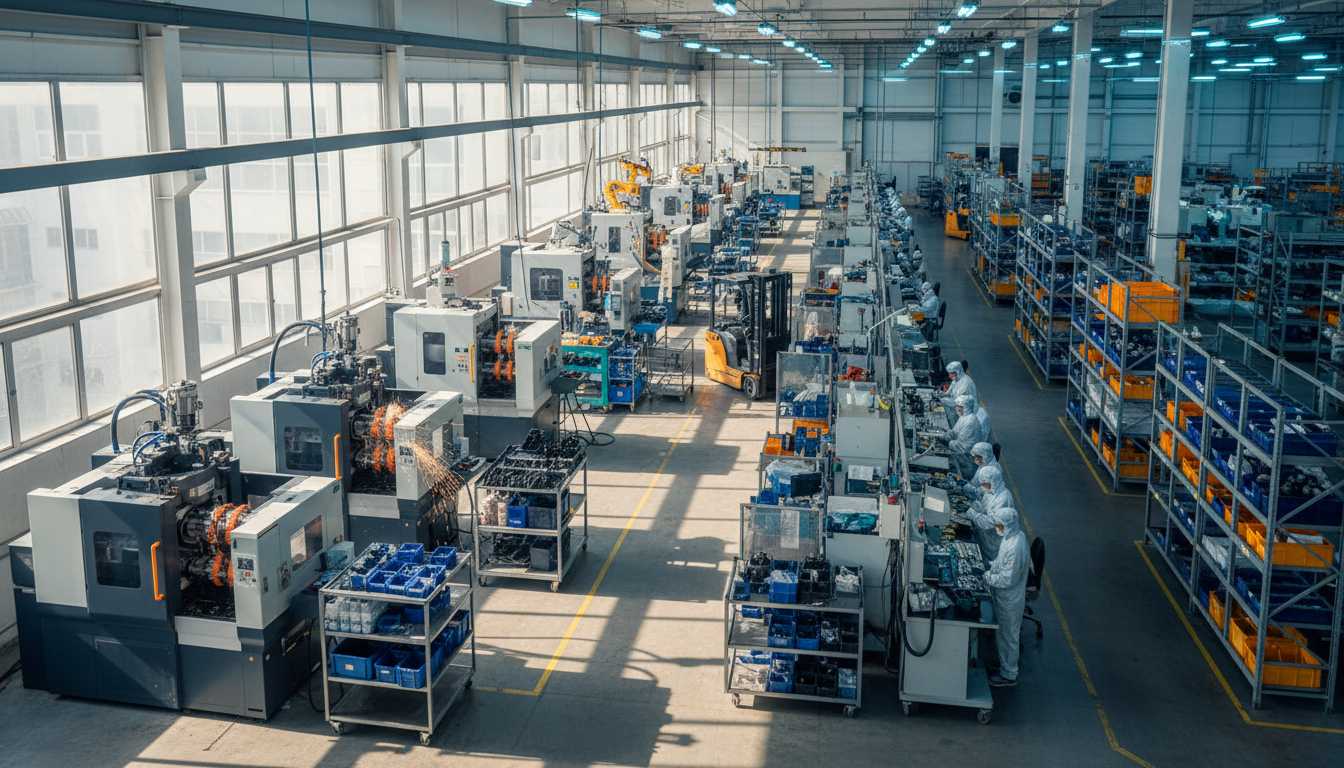
Looking ahead, the Bursa coating facility plans to further leverage technology to optimize operations. The integration of artificial intelligence and machine learning with 3D SCADA could pave the way for predictive maintenance and advanced process automation.
By staying at the forefront of technological advancements, the facility aims to maintain its competitive edge and continue delivering high-quality products efficiently and sustainably.
Conclusion
The case study of the 3D SCADA implementation at the Bursa coating facility highlights the transformative power of modern technology in industrial operations. By overcoming initial challenges, the facility has set a benchmark in operational excellence and innovation.
This success story serves as an inspiration for other industries seeking to enhance their processes through the adoption of advanced monitoring and control systems.