
Case Study: Successful Automation of a Bursa Coating Facility


Introduction to Automation in Bursa
The Bursa coating facility recently underwent a significant transformation through the implementation of advanced automation technologies. This case study explores how automation has revolutionized their operations, leading to increased efficiency, cost savings, and improved quality.
Automation in manufacturing is not a new concept, but its application at the Bursa facility offers unique insights into its potential. This transformation illustrates the benefits of embracing modern technology in traditional industries.
The Challenges Faced
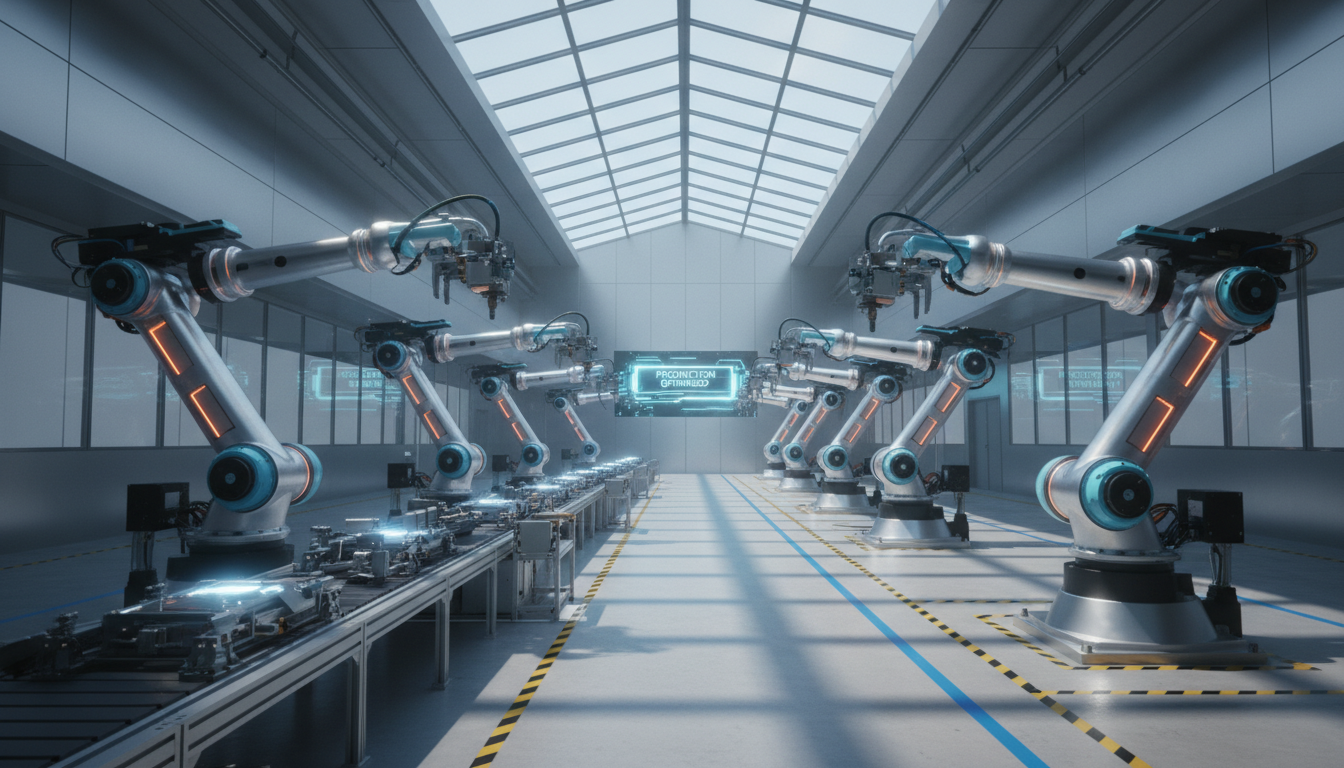
Before automation, the Bursa facility struggled with several challenges. Manual operations were time-consuming and prone to errors, leading to inconsistent product quality. Additionally, labor costs were rising, and there was a constant need to train new staff.
These challenges motivated the management to seek innovative solutions. The goal was to streamline operations while maintaining high standards of quality and safety.
Identifying Key Areas for Improvement
The first step involved identifying areas where automation could make a significant impact. Key focus areas included:
- Reducing manual handling of materials
- Enhancing precision in coating applications
- Improving inventory management
Implementing the Automation Solution
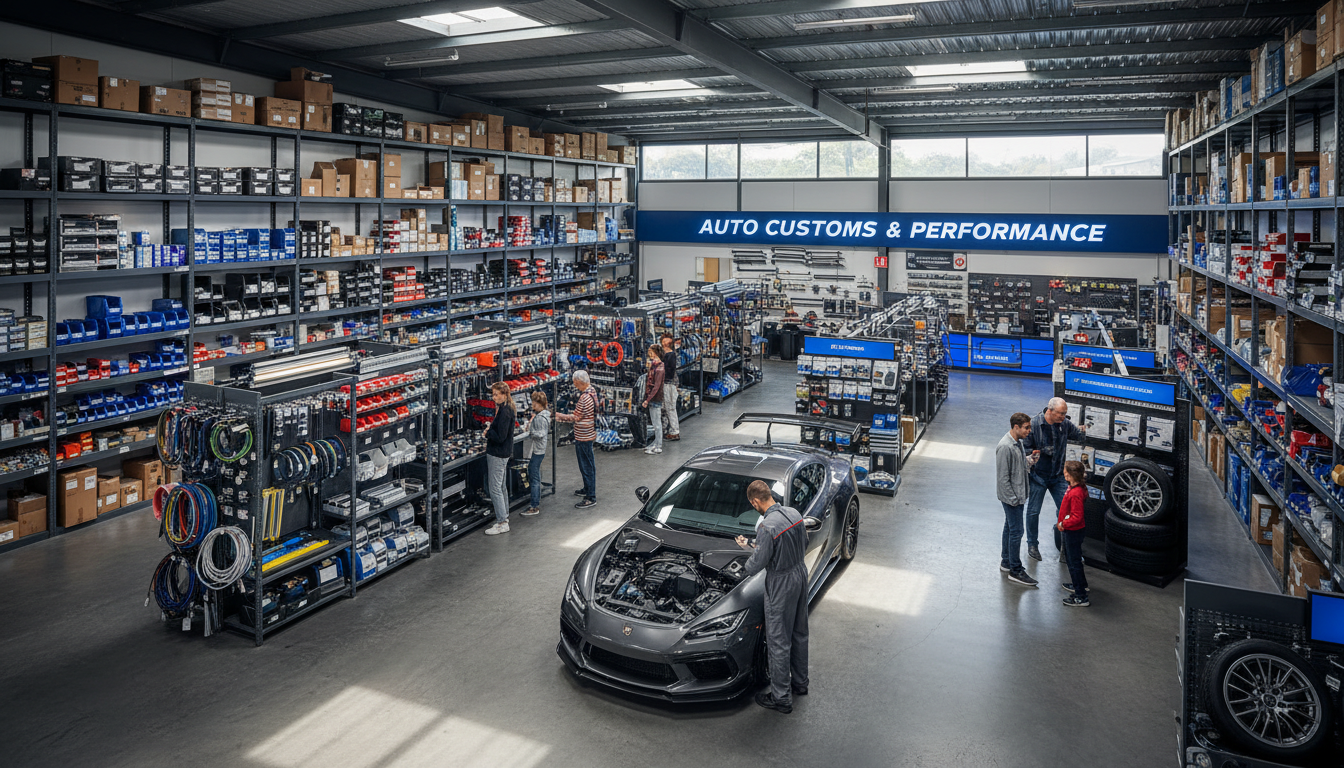
The facility partnered with a leading technology provider to implement a tailored automation solution. This included the installation of robotic arms, automated conveyors, and an integrated software system for real-time monitoring.
Training was provided to staff to ensure smooth integration of the new technology. The focus was on building a collaborative environment where human expertise complemented automated processes.
Phased Rollout and Testing
The automation solution was rolled out in phases to minimize disruptions. Initial testing was conducted to fine-tune the system, and adjustments were made based on employee feedback.

Results and Benefits
The automation of the Bursa coating facility resulted in several measurable benefits. Production efficiency increased by 30%, and error rates dropped significantly. The quality of the coatings became more consistent, meeting stringent industry standards.
Additionally, automation led to a 25% reduction in operational costs. This was achieved through decreased labor expenses and minimized waste due to precise material usage.
Employee Impact
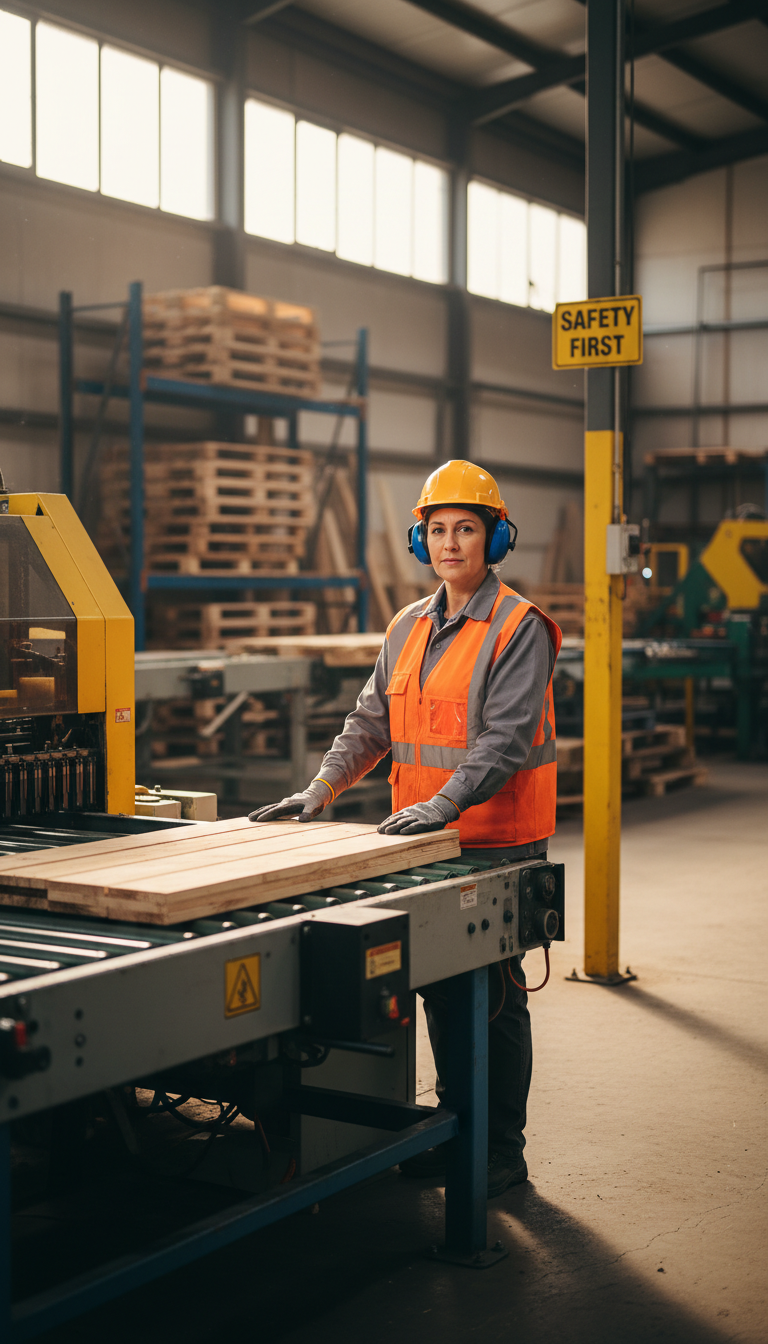
While automation reduced the need for manual labor, it also created new opportunities. Employees were upskilled to manage and maintain the automated systems, leading to a more knowledgeable and versatile workforce.
Conclusion
The successful automation of the Bursa coating facility serves as a testament to the power of technology in transforming traditional industries. By addressing specific challenges and implementing a well-planned solution, the facility achieved significant improvements in efficiency, quality, and cost management.
This case study highlights the importance of embracing change and investing in the future. Automation not only enhances operational capabilities but also opens new pathways for growth and innovation.