
Case Study: Successful Automation Implementation in Bursa's Surface Treatment Industry


Introduction to Automation in Bursa's Surface Treatment Industry
In recent years, Bursa's surface treatment industry has witnessed remarkable transformations, primarily driven by technological advancements. The implementation of automation has played a pivotal role in enhancing operational efficiency and product quality. This case study delves into how a leading company in Bursa successfully integrated automation to revolutionize its surface treatment processes.
Why Automation Was Needed
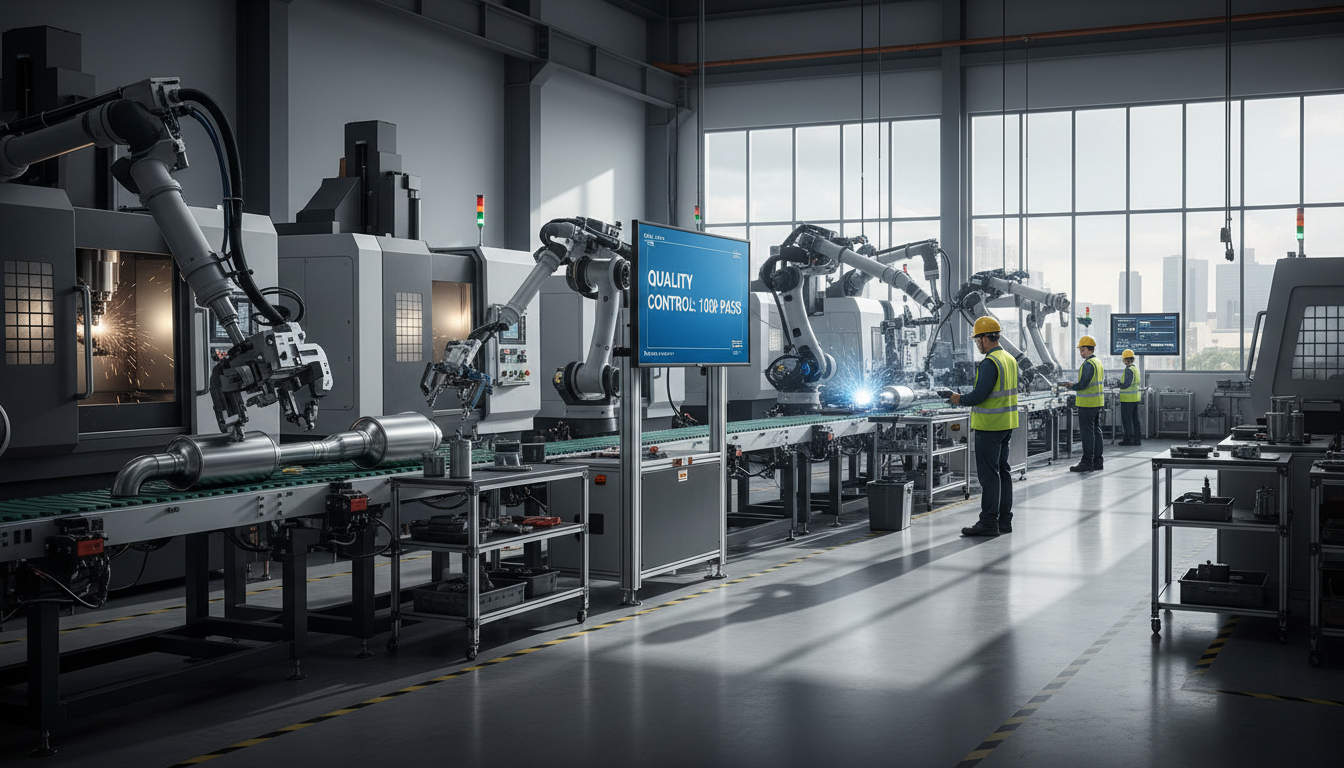
The surface treatment industry in Bursa faced several challenges, including inconsistent product quality, high labor costs, and lengthy production times. To remain competitive, companies needed a solution that would streamline operations and improve overall efficiency. Automation emerged as the ideal solution to address these issues.
By adopting automation, companies aimed to achieve the following objectives:
- Reduce manual errors and increase precision.
- Enhance production speed and consistency.
- Lower operational costs by optimizing resource usage.
Implementation Process
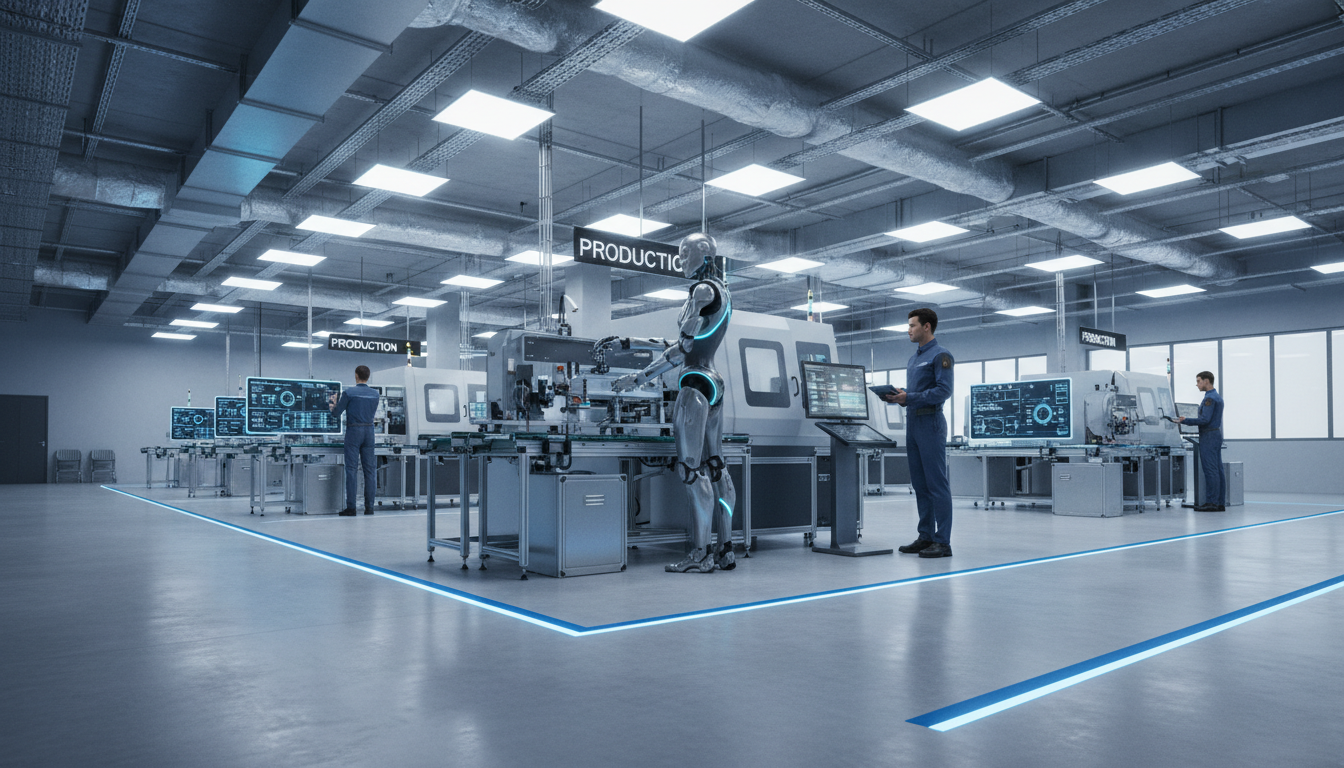
The implementation of automation in surface treatment processes began with a comprehensive analysis of existing operations. This involved identifying areas where automation could provide the most significant impact. Key steps in the implementation process included:
- Conducting a detailed assessment of current workflows.
- Integrating advanced machinery and robotics.
- Training staff to effectively manage and maintain new systems.
Challenges Faced and Overcome
Like any major transition, the move towards automation was not without its challenges. Initial resistance from employees and the need for substantial financial investment were significant hurdles. However, through strategic planning and effective communication, these challenges were addressed.
To ease the transition, the company implemented training programs and workshops to ensure employees were comfortable and proficient with the new technologies. Additionally, phased implementation allowed for smooth adaptation and minimized disruptions to daily operations.
Results and Benefits
The results of automating surface treatment processes were overwhelmingly positive. Key benefits included:
- Increased production efficiency by 30%.
- Enhanced product quality, leading to higher customer satisfaction.
- Reduced waste and energy consumption, promoting sustainability.
Long-term Impact
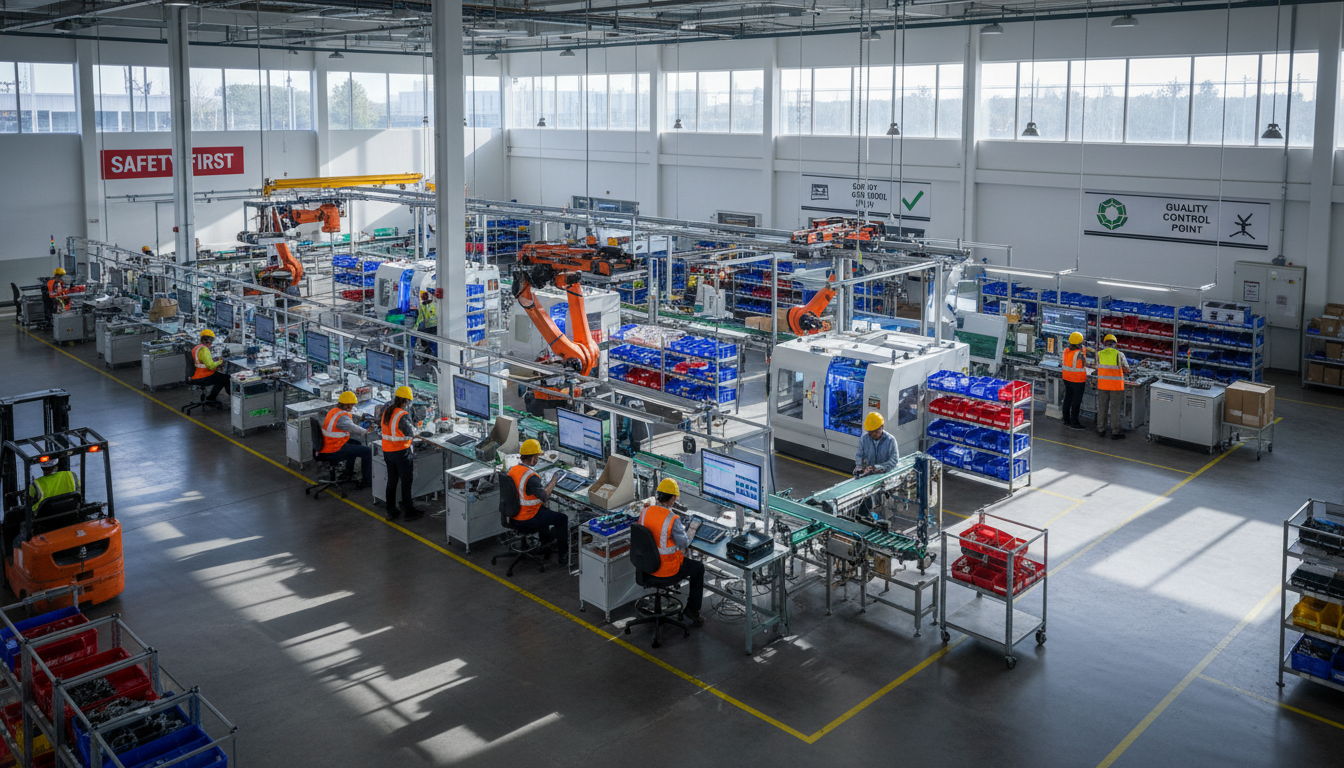
The long-term impact of automation in Bursa's surface treatment industry extends beyond immediate operational improvements. By embracing automation, companies have positioned themselves as leaders in innovation, setting new standards for quality and efficiency in the industry.
This shift has also opened up new opportunities for skilled labor, as employees are now required to oversee and manage automated systems, fostering a culture of continuous learning and development.
Conclusion
The successful implementation of automation in Bursa's surface treatment industry serves as a compelling example for other sectors looking to modernize their operations. By addressing initial challenges and focusing on long-term benefits, companies can significantly enhance their competitiveness and sustainability in an increasingly automated world.