Case Study: Success Stories in Surface Treatment Automation in Turkey


Introduction to Surface Treatment Automation in Turkey
In recent years, Turkey has emerged as a significant player in the field of surface treatment automation. This transformation has been driven by advancements in technology and a growing demand for efficient production processes. Companies across various industries are increasingly adopting automated solutions to enhance productivity and maintain a competitive edge.
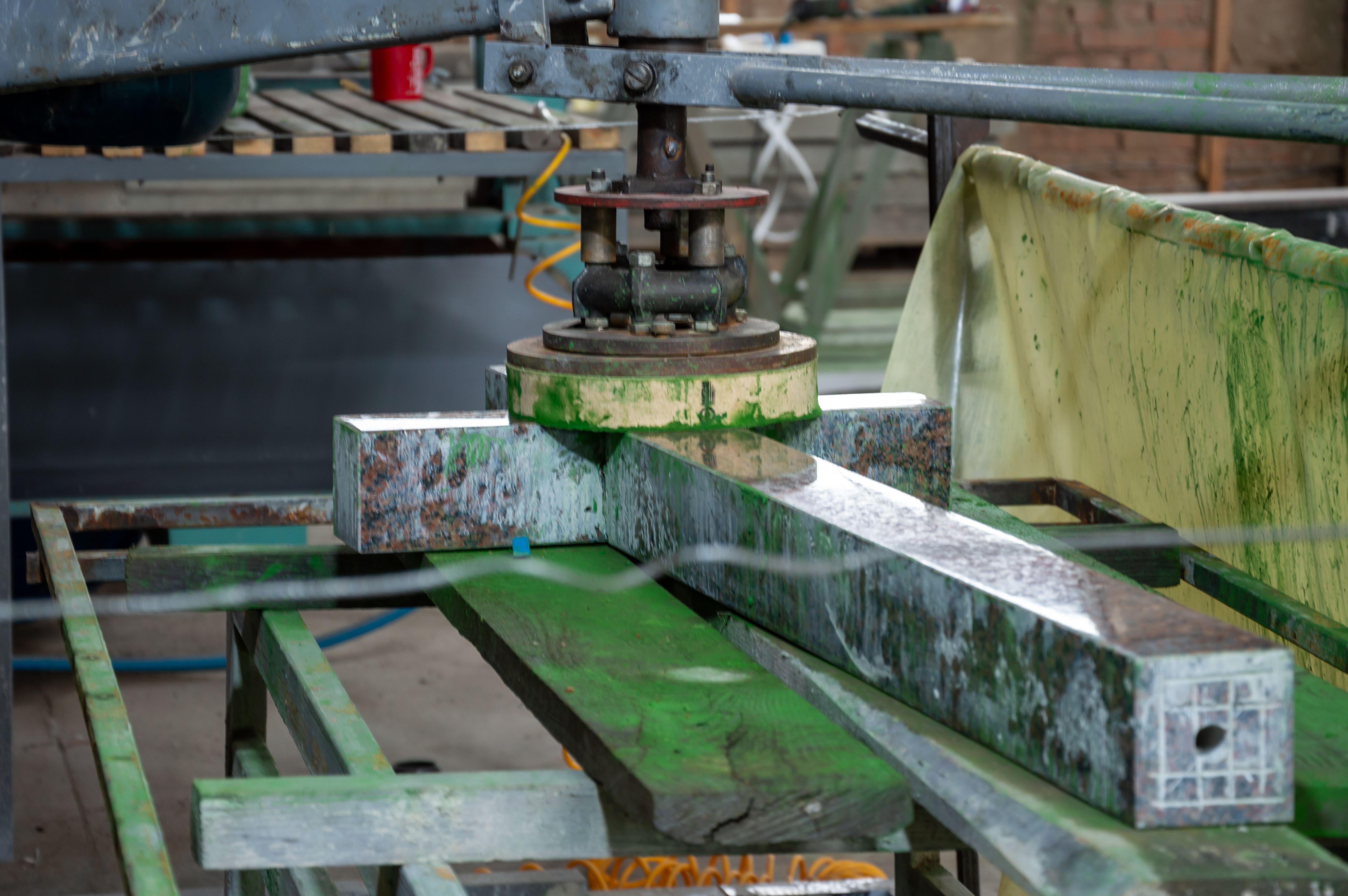
Surface treatment, a critical step in manufacturing, involves processes like cleaning, coating, and polishing materials to improve their durability and appearance. Automation in this area promises consistent quality and reduced labor costs, making it an attractive option for businesses.
Case Study: Automotive Industry
The automotive sector in Turkey has seen remarkable success with surface treatment automation. A leading car manufacturer implemented automated systems in its paint shop, resulting in a significant reduction in paint waste and increased throughput. This shift not only minimized environmental impact but also improved the overall efficiency of the production line.
By integrating robotic arms and advanced sensors, the company ensured precision and uniformity in paint application, leading to higher customer satisfaction. The success in the automotive industry serves as a model for other sectors exploring automation solutions.
Benefits Realized
- Cost Efficiency: Reduced labor and material costs.
- Environmental Impact: Decreased waste and emissions.
- Quality Improvement: Enhanced product quality and consistency.

Case Study: Aerospace Advancements
The aerospace industry in Turkey has also capitalized on surface treatment automation. An aerospace firm adopted automated anodizing processes, which significantly improved the corrosion resistance of aircraft components. This advancement was crucial for meeting stringent international standards.
Automation enabled the company to achieve precision and repeatability, reducing human error and ensuring high-quality outcomes. The integration of automation in such critical applications underscores its importance in maintaining reliability and safety.
Key Outcomes
- Enhanced Durability: Improved lifespan of components.
- Compliance: Adherence to global standards.
- Operational Efficiency: Streamlined processes and faster turnaround times.
Challenges and Future Prospects
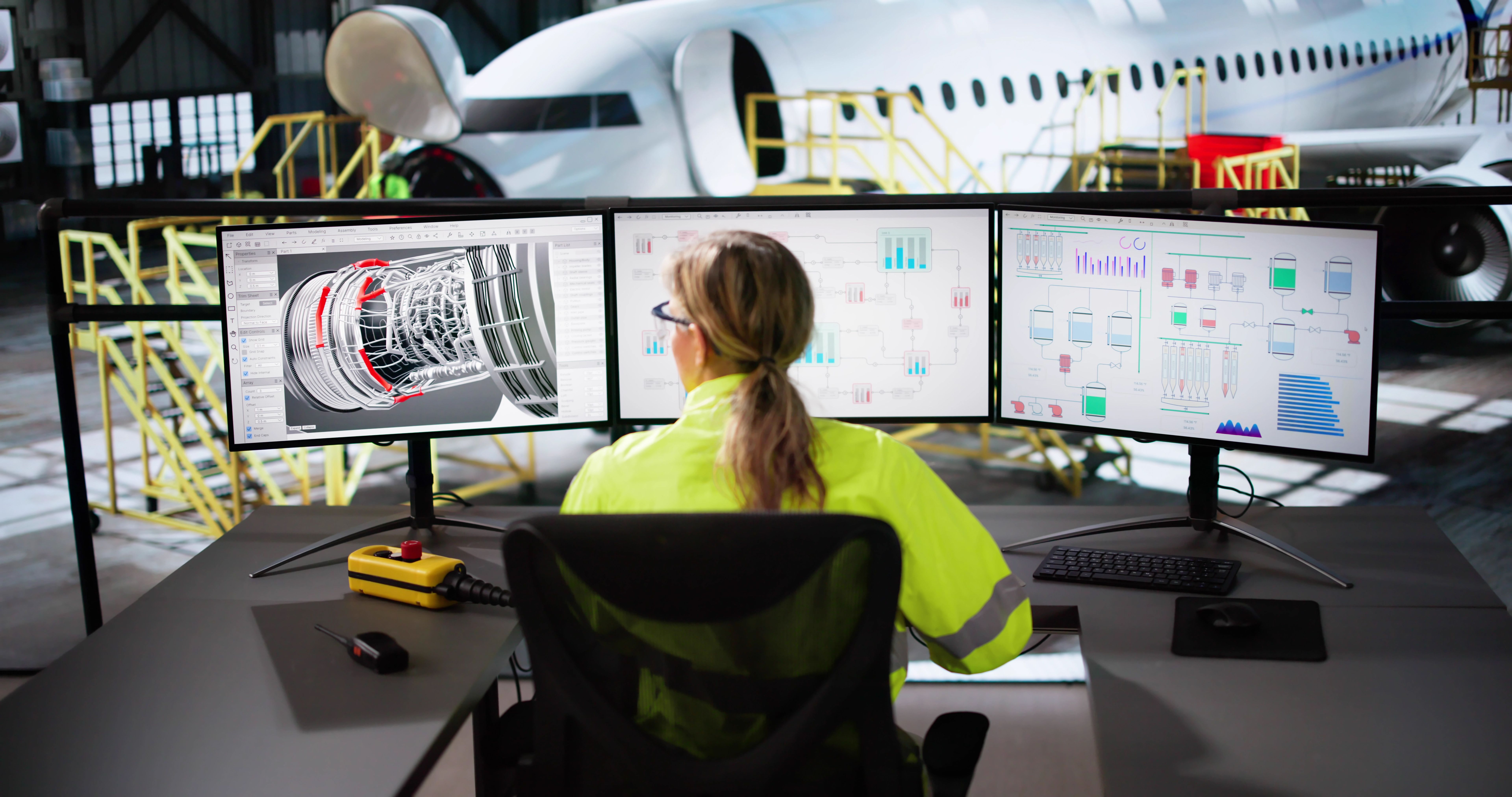
While the success stories are encouraging, companies face challenges in adopting surface treatment automation. Initial investment costs and the need for skilled personnel to manage and maintain automated systems are significant considerations. However, the long-term benefits often outweigh these initial hurdles.
As technology continues to evolve, the future of surface treatment automation in Turkey looks promising. Businesses are expected to invest further in research and development, focusing on sustainable and innovative solutions to remain competitive in the global market.
In conclusion, surface treatment automation in Turkey has already made a profound impact across several industries. With continued advancements and strategic implementations, the country is poised to become a leader in this transformative field.